
Lawn
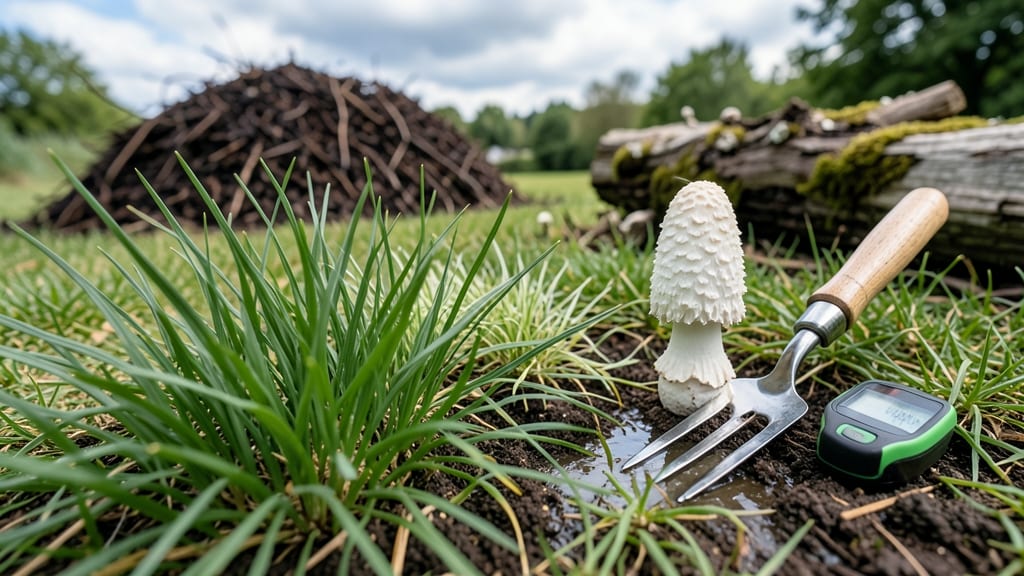
Why have I got mushrooms in my lawn?—don’t panic, it’s actually a sign your soil is thriving with natural recycling. 🌱 I've seen this happen after heavy rains or when grass clippings pile up, and it's a good indicator that your soil is alive with decomposition activity. Most lawn mushrooms are harmless, but identifying them quickly helps you decide whether to leave them or address the underlying conditions.
These fungi appear when organic matter—like old roots, thatch, or buried leaves—breaks down underground. Too much moisture or compacted soil speeds up the process, creating perfect conditions for mushroom growth. The key is balancing drainage and organic matter so decomposition happens below the surface where you can't see it.
You can prevent mushroom outbreaks by aerating your lawn in spring, spreading a thin layer of compost, and avoiding overwatering. If mushrooms keep appearing, focus on improving soil health rather than removing them—though toxic varieties (like death cap) should be avoided entirely.
Most are safe to leave or gently rake away.
For stubborn cases, consider overseeding with clover or fine fescue, which grow closer to the soil and outcompete mushrooms. The goal is a healthy lawn ecosystem where decomposition stays hidden.
Confession: I once spent an hour removing mushrooms only to see them back the next week—until I fixed the drainage instead.
The Hidden Triggers Behind Lawn Mushrooms
If you’ve spotted mushrooms popping up in your lawn, don’t panic—you’re not alone! These fungal friends (or foes?) appear for specific reasons, often tied to your yard’s health and environment. Understanding the root causes helps you decide whether to remove them, leave them be, or even harvest them (safely!).
Below, we break down the most common reasons mushrooms invade your lawn—and what you can do about it.
Mushrooms thrive in damp, humid conditions because they need moisture to grow their fruiting bodies (the part you see above ground). If your lawn stays soggy for extended periods, you’re creating the perfect mushroom buffet. Here’s why it happens:
- Poor drainage: Clay-heavy soil or compacted ground traps water, preventing it from draining properly. Mushrooms love these waterlogged zones.
- Overwatering: While lawns need regular watering, excessive moisture—especially in shaded or low-traffic areas—encourages fungal growth.
- Rainfall + thatch buildup: A thick thatch layer (dead grass and debris) acts like a sponge, holding moisture against the soil and promoting fungal spores.
Actionable fix: Improve drainage by aerating your lawn in the fall, top-dressing with sand or compost, or installing French drains if water pools persistently. Reduce watering frequency and let the top inch of soil dry between sessions.
Mushrooms are nature’s recyclers—they break down dead plant material, wood, and even buried debris. If your lawn has hidden surprises, mushrooms will move in to decompose them. Common culprits include:
- Buried wood or roots: Old tree stumps, fallen branches, or even buried wood chips provide a food source for mushrooms.
- Compost piles or mulch: If compost or mulch is too close to your lawn, spores hitchhike into the grass.
- Dead grass or thatch: A thick layer of thatch (over ½ inch) creates a cozy environment for fungal growth.
Actionable fix: Remove visible debris like wood or mulch from the lawn’s edge. If thatch is excessive, dethatch in early spring or fall. For buried wood, dig it out—it’s the easiest way to starve the mushrooms.
Healthy soil supports grass roots, not fungi. When soil is compacted (from foot traffic, heavy machinery, or poor maintenance), it struggles to support plant life—and mushrooms take advantage. Here’s how compaction leads to mushroom growth:
- Reduced oxygen flow: Compacted soil limits air circulation, creating anaerobic (low-oxygen) zones where fungal spores thrive.
- Weakened grass roots: Compacted soil stresses grass, making it easier for mushrooms to colonize bare spots.
- Water pooling: Compacted areas hold water longer, mimicking the damp conditions mushrooms love.
Actionable fix: Aerate your lawn in the fall or spring using a core aerator to relieve compaction. Top-dress with compost to improve soil structure and encourage grass recovery.
Mushrooms often appear in areas where grass struggles to grow—like under trees, along fences, or in corners of the yard. Why? Because these spots are:
- Shaded: Less sunlight means slower grass growth, leaving bare soil for mushrooms to colonize.
- Less trafficked: Areas with minimal foot traffic accumulate thatch and moisture, creating ideal fungal conditions.
- Cooler and damper:** Shady spots retain moisture longer, extending the mushroom-growing season.
Actionable fix: Overseed shady areas with shade-tolerant grass varieties like fine fescue. Improve airflow by trimming overgrown plants or thinning dense foliage. If mushrooms persist, consider a thin layer of mulch (not compost) to suppress spores.
💡 Pro Tip: If you’re unsure whether your mushrooms are harmless or toxic, skip to our ID guide before taking action. Some varieties (like Amanita species) are deadly—when in doubt, avoid touching or consuming them!
How to Fix Mushroom Overgrowth
If mushrooms have sprung up in your lawn, don’t panic—there are practical ways to tackle them without harming your grass. The key is identifying the cause and applying the right fix. Below, we break down solutions tailored to the most common reasons behind those pesky fungi.
---
Mushrooms thrive in damp, shaded conditions, so if your lawn stays soggy, they’ll pop up like weeds. Here’s how to dry things out:
- 🔥 Fix the Drainage - Check for low spots where water pools after rain.
Use a rake or shovel to level them out. - If drainage is poor, consider aerating your lawn in fall or spring to help water absorb better. - For severe cases, install a French drain (a buried perforated pipe with gravel) to redirect excess water.
- 💧 Adjust Your Watering Schedule - Water deeply 2-3 times per week (early morning is best) instead of daily light sprinkles. - Avoid overwatering—mushrooms love moisture, so let the top inch of soil dry out between waterings. - Pro Tip: 🌡️ Use a soil moisture meter to check dampness before watering.
- ✨ Boost Sunlight Exposure - Thin out dense tree branches or shrubs shading your lawn. - Mow higher (3-4 inches) to encourage deeper roots, which helps grass compete with fungi.
---
Leaves, thatch, and compost piles create the perfect mushroom buffet. Break the cycle with these steps:
- 🧹 Remove Organic Matter - Rake up fallen leaves, twigs, and grass clippings—especially in shaded areas. - Clear out mulch or compost piles near your lawn (mushrooms love these spots!).
- 🌱 Improve Soil Aeration - Core aeration (rent a machine or hire a pro) pulls out small soil plugs, letting oxygen and sunlight reach the roots. - Top-dress with compost (not fresh manure!) to improve soil structure and reduce fungal food sources.
- 🔥 Use Corn Gluten Meal (Prevention Only!) - Sprinkle corn gluten meal (a natural pre-emergent) in early spring—it starves fungal spores before they grow. - Warning: Only use this before mushrooms appear—it won’t kill existing fungi.
---
Weak grass = easy target for mushrooms. A healthy lawn crowds out fungi naturally.
- 💪 Fertilize Properly - Use a balanced, slow-release fertilizer (like 10-10-10) in early fall or spring. - Avoid high-nitrogen fertilizers in summer—they encourage rapid (but weak) grass growth. - Pro Tip: 🎯 Test your soil first!
A soil test kit (from your local extension office) tells you exactly what nutrients your lawn needs.
- 🌱 Overseed Bare Spots - Fill thin or bare areas with disease-resistant grass seed (like tall fescue or Kentucky bluegrass). - Choose seeds labeled "drought-tolerant" if your lawn stays wet often.
- 🪓 Mow Smart - Never cut more than ⅓ of the grass blade at once—this stresses the plant. - Sharpen your mower blade regularly—dull blades tear grass, inviting disease.
---
Most lawn mushrooms are harmless (but unsightly), but a few can damage grass or even be toxic if touched. When to pull them:
| Mushroom Type | Action Needed | How to Remove | |-------------------|------------------|-------------------| | Fairy Ring Fungi (toxic to grass) | Remove & treat soil | Dig out the entire ring (including roots).
Apply fungicide (like propiconazole) to the area. | | Common Lawn Mushrooms (harmless) | Pull & improve drainage | Snap them at the base (wear gloves!).
Focus on fixing moisture issues. | | Edible Wild Mushrooms (e.g., morels, chanterelles) | Leave or harvest carefully | If you’re 100% sure they’re safe, pick a few—but don’t overharvest. Never eat lawn mushrooms unless identified by an expert! |
⚠️ Safety First: - Never spray fungicides unless you’ve confirmed a toxic species (like Armillaria or Gomphidus). - Wear gloves when handling mushrooms—some can cause skin irritation.
---
Once you’ve kicked the mushrooms out, keep them from coming back:
- 🌞 Increase Sunlight – Trim overhanging branches and thin dense shrubs. - 💦 Fix Irrigation Issues – Check sprinklers for overwatering in one spot. - 🍂 Rake Regularly – Remove thatch and debris twice a year (spring & fall). - 🌱 Choose Resistant Grass – If mushrooms keep returning, consider drought-resistant grasses like zoysia or buffalo grass. - 🔄 Rotate Lawn Treatments – Alternate between corn gluten meal (pre-emergent) and fungicidal treatments if needed.
--- Final Thought: 🌱 Mushrooms in your lawn are usually a sign of underlying issues—not just a cosmetic problem. By improving drainage, strengthening your grass, and staying vigilant, you’ll send those fungi packing for good!
Frequently asked questions about lawn mushrooms
Are mushrooms in my lawn always harmful to grass?
Not necessarily! Most lawn mushrooms are harmless—they’re nature’s way of breaking down organic matter. However, some types like fairy ring fungi can damage grass by creating toxic rings or stealing nutrients. If you notice yellow patches or stunted grass growth around mushrooms, they may be harmful and should be addressed.
Can I eat mushrooms growing in my lawn?
Only if you’re 100% certain of the species—and that’s risky! Many wild mushrooms are toxic or deadly. Never eat lawn mushrooms unless identified by an expert mycologist. Even "safe" varieties like morels can be contaminated by lawn chemicals or pollution. When in doubt, leave them alone!
How quickly can I expect mushrooms to disappear after fixing drainage?
It depends on the cause, but you’ll often see a reduction within 2-4 weeks of improving drainage or removing organic debris. For stubborn cases, it may take up to 3 months as the soil ecosystem rebalances. Consistency is key—keep up with aeration and watering adjustments for best results.
Will corn gluten meal kill existing mushrooms in my lawn?
No—corn gluten meal only prevents new mushrooms by blocking spores from germinating. It won’t harm existing fungi or their mycelium networks. For current mushroom problems, focus on fixing drainage and removing organic matter first, then use corn gluten as a preventive measure in early spring.
Are there any natural ways to get rid of lawn mushrooms without chemicals?
Yes! The most effective natural methods include:
- Improving drainage with aeration and sand
- Removing organic debris (leaves, wood chips)
- Using neem oil (mix 1 tbsp with 1 gallon water) as a fungicidal spray
- Overseeding with competitive grass varieties