
Lawn
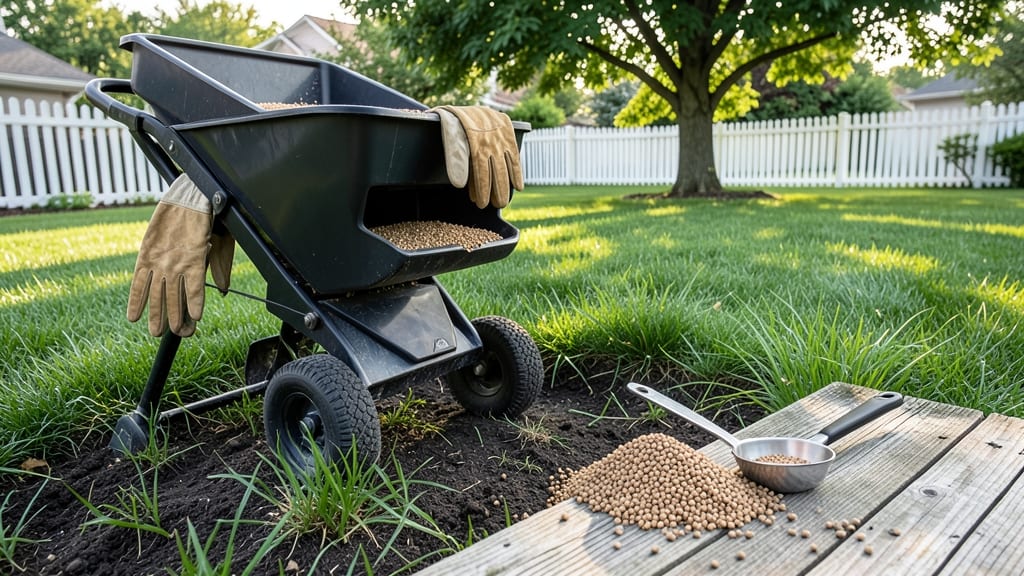
Fertilizing your lawn in spring at the right time can transform it from patchy to thick and vibrant—but one wrong move risks burning the grass or wasting money.
Picture this: You spread fertilizer in early March, only to watch it wash away in a sudden downpour, leaving your yard looking worse than before. Or you wait too long, and weeds take over while your grass struggles to wake up.
Timing isn’t just about the calendar—it’s about the soil temperature, your grass type, and even the weather forecast.
In USDA Zone 6a, where many homeowners live, the ideal window opens after the last frost—typically late March to early April—when soil reaches 55°F (13°C). But if you’re in a warmer zone, like the South, you might need to fertilize earlier, while cooler zones could wait until May.
The key is matching your schedule to your grass’s growth cycle, not just the month.
Below, I’ll break down the exact timing for your climate, how to test your soil, and the three signs your lawn is ready for fertilizer—so you can skip the guesswork and get results that last all season.

Spring lawn fertilization timeline by USDA climate zones
Getting your lawn fertilization timing right in spring is all about understanding your USDA climate zone and your grass's growth patterns. Cool-season grasses like fescue and bluegrass wake up early, while warm-season types like Bermuda and Zoysia need warmer soil to activate.
Missing the window can leave your lawn weak or lead to over-fertilization—so let's break it down by zone.
Most gardeners focus on early spring fertilization (March-April in most zones), but the exact timing shifts based on whether you're in a northern (cool) or southern (warm) region.
For example, Zone 3 lawns need fertilization as soon as soil temps hit 40°F (4°C), while Zone 10 lawns might wait until April or May when daytime highs consistently reach 70°F (21°C).
Here's a quick rule of thumb: Fertilize when your grass is actively growing (you'll see new growth after mowing) but before summer heat stress hits. In cooler zones, that's late winter to early spring; in warmer zones, it's late spring.
Let's look at the exact windows for each zone.
| USDA Zone | Climate Type | Fertilization Window | Soil Temp Trigger | Grass Types |
|---|---|---|---|---|
| 3-5 | Cool | Late March - Early April | 40-45°F (4-7°C) | Fescue, Bluegrass, Ryegrass |
| 6-7 | Temperate | Mid-April - Early May | 50-55°F (10-13°C) | Kentucky Bluegrass, Tall Fescue |
| 8-9 | Warm | Late April - May | 60-65°F (15-18°C) | St. Augustine, Centipede |
| 10 | Hot | May - Early June | 70°F+ (21°C+) | Bermuda, Zoysia |
For USDA Zones 3-5, think of late March as your "go" signal—this is when cool-season grasses start their growth spurt. If you're in Zone 6 or 7, hold off until mid-April when soil temperatures consistently stay above 50°F (10°C).
This timing helps prevent winterkill recovery while giving grass enough time to establish roots before summer heat arrives.
In warmer zones (8-10), the key is waiting for daytime highs to reach 70°F (21°C) or higher. Fertilizing too early can stress warm-season grasses that are still dormant. For example, Bermuda grass in Zone 10 shouldn't see fertilizer until May, when it's actively growing.
Pro tip: Use a soil thermometer to track these temperatures—it's more accurate than guessing by calendar dates.
Regional exceptions matter too. In Pacific Northwest zones (6-7), cooler ocean-influenced climates may push fertilization back by 2-3 weeks compared to inland areas.
Meanwhile, Southern California (Zone 9-10) lawns might need a light spring feeding in March for early-growing grasses like fescue, followed by a heavier dose in May for Bermuda.
Don't forget about overlap zones like Zone 7b. If you're in a transitional area, split your fertilization into two light applications: one in early spring for cool-season grasses and another in late spring for warm-season types. This two-step approach prevents nutrient burn while keeping both grass types happy.
After fertilizing, give your lawn 1 inch of water to activate the nutrients—do this in the early morning to reduce evaporation. Avoid fertilizing within 48 hours of rain, as this can wash away nutrients before they're absorbed.
For organic fertilizers, you may need to water more frequently to help breakdown the materials.
Watch for growth signals like new blades appearing within 7-10 days of fertilization. If you see yellowing instead, you may have overdone it—switch to a low-nitrogen fertilizer next time. In drought-prone areas, consider a slow-release fertilizer to prevent washout during spring rains.
How to adjust fertilization for your grass type and soil conditions
Not all grass is created equal—and neither are soil conditions! Your cool-season grasses (like Kentucky bluegrass or fescue) thrive in early spring, while warm-season varieties (such as Bermuda or Zoysia) need late spring feeding. The key is matching your grass type to its ideal growth window, not just the calendar.
Before grabbing that fertilizer bag, test your soil pH and nutrient levels. Most lawns need a pH between 6.0 and 7.0 for optimal nutrient uptake.
If your soil is too acidic or alkaline, adjust it first—otherwise, your grass won’t absorb those essential nutrients like nitrogen, phosphorus, or potassium, no matter how much you apply.
🌱 Key Takeaway: When to Fertilize in Spring
| Grass Type | Best Fertilization Time | Soil Prep Step |
|---|---|---|
| Cool-Season (Fescue, Bluegrass) | Early spring (March-April) after last frost | Test pH, amend if <6.0 |
| Warm-Season (Bermuda, Zoysia) | Late spring (May-June) when soil warms to 65°F+ | Check moisture, avoid dry soil |
✅ Pro Tip: Water deeply after fertilizing to activate nutrients and prevent burn.
Over-fertilizing is just as damaging as under-fertilizing. Watch for yellowing tips (too much nitrogen) or stunted growth (nutrient imbalance). If your grass looks burnt or crispy, flush the soil with water immediately to dilute excess salts. For under-fertilized lawns, apply a slow-release fertilizer in small doses every 6-8 weeks.
Your soil type matters too—Sandy soils drain fast, so use quick-release fertilizers with frequent light applications. Clay soils hold nutrients longer, so opt for slow-release granules every 8-10 weeks. Always follow the label rates and adjust for your soil’s texture.
Don’t ignore weed pressure as a sign of poor nutrition. If crabgrass or clover dominates, your lawn may need a pre-emergent herbicide before fertilizing in early spring. For organic options, try compost tea or fish emulsion to boost microbial activity and nutrient availability naturally.
Timing isn’t just about the season—it’s about the grass’s growth stage. Cool-season grasses need feeding when they’re green and actively growing (usually after last frost). Warm-season grasses should get their first feed when soil temps hit 65°F+ and new shoots appear.
Always mow 1-2 days before fertilizing to avoid stressing the grass.