
Lawn
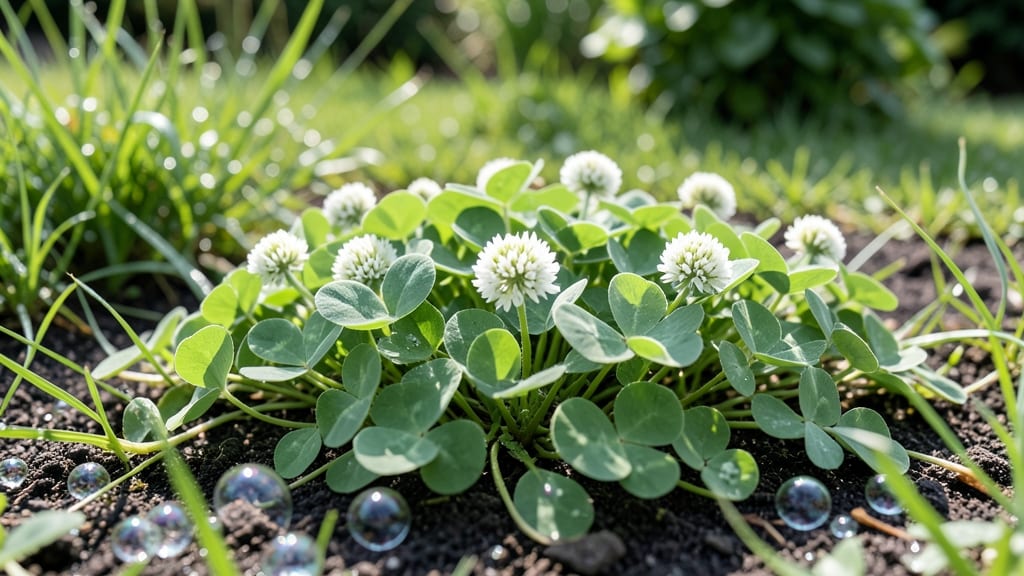
White bubbles on grass aren't just weird—they're your lawn's silent SOS. 🌱 I've seen everything from snail trails to fungal rings, but those telltale white puffs? They scream "help me" in a way that's impossible to ignore.
The good news? Most aren't permanent, and fixing them starts with knowing exactly what you're dealing with.
Fairy rings, snail slime, or chemical residue—each leaves bubbles but requires different fixes. The key is checking for mushrooms at the edges (fungal rings), slimy trails (snails), or powdery residue (chemicals).
My lawn had bubbles last spring, and once I identified the snails, the fix was simple: iron phosphate bait and a good raking. No more bubbles in weeks.
You'll solve this in three steps: identify the cause, apply the right treatment (organic or targeted), and prevent recurrence with simple lawn care tweaks. The results? A lawn that stops signaling distress and starts looking like the green carpet you planted it to be.
Works for any grass type, from St. Augustine to Kentucky bluegrass. Here's how to diagnose and cure it—permanently. No more guessing, just green.
The Science Behind Mysterious Grass Bubbles
Those puzzling white bubbles popping up on your lawn aren’t just a cosmetic oddity—they’re often a sign of an underlying biological process. Understanding why they appear helps you address the root cause before it spreads.
Let’s break down the most common explanations, grounded in science, so you can take action with confidence.
In most cases, white bubbles on grass are a telltale sign of fungal activity, specifically from sclerotia or spore sacs of pathogens like Typhula blight or snow mold. Here’s how it happens:
- Spore Release: Fungi release microscopic spores that land on grass blades, especially in damp, cool conditions. These spores germinate and form thread-like structures called hyphae.
- Bubble Formation: As the fungus matures, it produces sclerotia—dense, survival structures that look like tiny white bubbles. These contain dormant fungal cells waiting for the right conditions to reactivate.
- Environmental Triggers: Overwatering, compacted soil, or thick thatch create the perfect humid microclimate for fungi to thrive. Even a light frost can cause sclerotia to burst open, releasing more spores.
💡 Pro Tip: If you see bubbles after a cold snap, it’s likely Typhula blight—a fungal disease that thrives in wet, chilly weather. Act fast, as it can kill grass in patches if untreated.
When soil becomes compacted or waterlogged, oxygen levels drop, creating an anaerobic environment. This stress forces grass roots to gas out—literally. Here’s the breakdown:
- Root Stress: Compacted soil restricts root growth, while poor drainage traps excess moisture. Grass roots respond by releasing ethylene gas, a natural stress signal.
- Bubble Formation: The gas mixes with soil microbes and decomposing organic matter, forming visible bubbles on the surface. These aren’t fungal but are a symptom of unhealthy soil.
- Visual Clues: Look for spongy, uneven ground or puddles that linger. Bubbles here are usually white or clear, not the chalky texture of fungal sclerotia.
🔥 Action Step: Test your soil’s compaction by pressing a screwdriver into the ground. If it won’t go in more than 1 inch, aerate immediately to restore airflow and drainage.
While less common, certain insects—like grubs (larvae of beetles or flies)—can indirectly cause bubble-like formations. Here’s how:
- Grub Feeding: Grubs munch on grass roots, weakening the plant. As they digest, they excrete waste that mixes with soil bacteria, creating gas pockets.
- Bubble Appearance: The bubbles are usually smaller and more localized to areas with heavy grub activity. They may also have a slightly yellowish tint due to decomposed organic matter.
- Secondary Fungal Growth: Damaged grass from grubs creates entry points for fungi, leading to a combo of bubbles and fungal blight.
👨🍳 Diagnostic Tip: Dig up a small patch of grass. If you find white, C-shaped grubs, treat with beneficial nematodes or milky spore bacteria for an organic fix.
Sometimes, white bubbles aren’t biological at all—they’re a chemical reaction on the grass surface. Here’s what’s likely happening:
| Cause | How It Happens | Appearance |
|---|---|---|
| Over-fertilization | Excess nitrogen or urea-based fertilizers react with soil moisture, creating ammonia gas bubbles. | Fine, frothy white bubbles that dissipate quickly. |
| Herbicide residue | Some herbicides (like glyphosate) break down into glycine, which can form crystalline deposits when dry. | Powdery white residue, often in treated areas. |
| Alkaline soil | High pH levels cause calcium carbonate to crystallize on grass blades after water evaporation. | Chalky white spots, not bubbles. |
✨ Quick Fix: If bubbles appear after fertilizing, rinse the lawn with water to dissolve residues. For alkaline soil, apply sulfur or peat moss to lower pH gradually.
Now that you know the why, the next step is identifying which cause fits your lawn. Stay tuned for our organic treatment guide to tackle the issue at its source!
Quick Fixes for Lawn Bubbles
White bubbles on grass—whether they’re fungal blight, chemical residue, or something else—can feel like a frustrating mystery. But don’t worry! With the right approach, you can restore your lawn to its lush, green glory.
Below, we’ve mapped out practical, organic solutions tailored to the most common causes, plus prevention tips to keep your grass healthy long-term.
If those bubbles are caused by fungal infections like fairy ring, snow mold, or dollar spot, act fast to stop the spread and revive your lawn.
🔥 Step 1: Stop the Spread
- Remove affected areas 🪓: Use a sharp spade or string trimmer to cut out patches of bubbly grass (at least 6–12 inches beyond visible damage).
Dispose of them in a sealed bag—do not compost—to prevent reinfection. - Avoid walking on infected zones 👟: Compacted soil spreads spores faster. Redirect foot traffic to unaffected areas.
🍳 Step 2: Improve Drainage
Fungi thrive in soggy conditions. Fix waterlogged spots with: - Sand or compost top-dressing 🏗️: Spread a ¼-inch layer over the area and lightly rake in.
This aerates the soil and improves airflow. - French drain or swales 💧: For chronically wet spots, install a shallow trench filled with gravel to redirect water.
👨🍳 Step 3: Apply Organic Fungicides
Skip harsh chemicals! Try these natural remedies: - Neem oil spray 🌿: Mix 2 tbsp neem oil + 1 tsp mild soap in 1 gallon of water. Spray in the evening (avoid direct sun).
Reapply every 7–10 days. - Baking soda solution 🧂: Dissolve 1 tbsp baking soda in 1 gallon of water. Lightly spray (test a small area first—overuse can alter soil pH). - Hydrogen peroxide (3%) 🧪: Dilute 1 part peroxide to 10 parts water.
Spray on dry grass (never mix with vinegar or other cleaners!).
⏰ Step 4: Re-seed and Fertilize
- Overseed bare spots 🌱: Choose a disease-resistant grass seed (like tall fescue or Kentucky bluegrass) and plant in early fall or spring.
- Use organic fertilizer 🌱: Apply a low-nitrogen, high-potassium fertilizer (like 5-10-10) to strengthen roots. Avoid over-fertilizing—it encourages fungal growth.
If bubbles are from fertilizer salts, herbicides, or pet waste, the goal is to dilute and neutralize the buildup.
💦 Step 1: Water Deeply and Often
- Flood the area 🚰: Run a hose for 15–20 minutes to flush out salts and chemicals. Repeat 2–3 times a week until bubbles fade.
- Use rainwater or distilled water 🌧️: Tap water often contains chlorine/fluoride, which can worsen the issue.
🧼 Step 2: Neutralize pH Imbalances
- Vinegar rinse (for alkaline buildup) 🍶: Mix 1 part white vinegar with 3 parts water.
Lightly mist the area (avoid overuse—vinegar can acidify soil). - Wood ash (for acidic soil) 🔥: Sprinkle a thin layer (¼ inch) over the area and rake in. Test soil pH after 2 weeks—aim for 6.0–7.0.
🌱 Step 3: Amend the Soil
- Add gypsum 🏗️: For salt damage, sprinkle 1 lb of gypsum per 100 sq ft and water in.
Gypsum flushes out sodium without altering pH. - Compost or peat moss 🌿: Mix in a ½-inch layer to improve soil structure and absorb lingering chemicals.
Uric acid from urine or droppings creates crusty white deposits and burns grass. Here’s how to fix it:
🧽 Step 1: Remove Waste Immediately
- Pick up droppings 🪑: Use a pooper-scooper or rake up debris daily.
- Flush urine spots 🚿: Soak the area with water within 10 minutes of spotting.
🌱 Step 2: Restore Grass Health
- Overseed thin patches 🌱: Use a pet-friendly grass seed like zoysia or buffalo grass, which tolerate urine better.
- Apply a nitrogen-free fertilizer 🌿: Use kelp meal or compost tea to rebuild soil without burning grass.
🛡️ Step 3: Train Pets and Birds
- Designate a potty zone 🚽: Train dogs to urinate on gravel, mulch, or artificial turf away from the lawn.
- Install bird netting 🐦: Hang netting over problem areas to deter roosting birds.
Once your lawn is back in shape, proactive care keeps those white bubbles from returning:
- 🌡️ Mow high (3–4 inches) ✂️: Taller grass shades out fungi and retains moisture better.
- ✨ Aerate annually 🏗️: Core aeration (2–3 times a year) prevents soil compaction and improves drainage.
- 🎯 Water deeply but less often 💧: Early morning watering (1–1.5 inches per week) discourages fungal growth.
- 🌿 Test soil every 2 years 📊: Adjust pH and nutrients based on results (ideal pH: 6.0–7.0).
- 🚫 Avoid synthetic chemicals 🚫: Opt for organic lawn care to prevent residue buildup.
By tackling the root cause—whether it’s fungi, chemicals, or wildlife—your lawn will bounce back stronger. Patience is key (some fixes take 4–6 weeks to show results), but with these steps, you’ll enjoy a bubble-free, vibrant lawn in no time!
Frequently asked questions
Are white bubbles on grass always a sign of fungus?
Not necessarily! While fungal infections like fairy rings or Typhula blight are common causes, bubbles can also come from chemical residue (fertilizer salts or herbicides), pet waste (uric acid crystals), or even soil compaction causing gas buildup. Always check for mushrooms at the edges (fungal) or slimy trails (snails) to narrow it down.
Will my lawn recover if I just ignore the white bubbles?
Maybe, but don’t count on it! Fungal bubbles can spread and kill grass permanently if untreated. Chemical bubbles may burn your lawn further. For best results, act within 2-3 weeks—remove affected patches, improve drainage, and apply organic treatments. Ignoring them risks permanent damage or recurring issues next season.
Can I use vinegar to treat fungal white bubbles?
Vinegar can help with chemical residue (like fertilizer salts), but it’s not effective for fungal bubbles and may actually harm your grass. For fungi, use neem oil or baking soda spray instead. Always test vinegar on a small patch first—it can alter soil pH over time.
How do I tell if white bubbles are from snails vs. fungus?
Snail bubbles leave slimy trails and appear in damp areas at night, while fungal bubbles often have tiny mushrooms at the edges or feel chalky. Check for snail eggs (tiny white clusters) or slime marks on leaves. Iron phosphate bait works for snails, while neem oil targets fungus.
Is it safe to compost grass clippings with white bubbles?
No! If the bubbles are fungal, composting spreads spores. For chemical bubbles, compost may concentrate salts. Always dispose of affected grass in sealed bags. Healthy grass clippings (without bubbles) can go in your compost pile—just avoid the infected areas.