
Fertilization
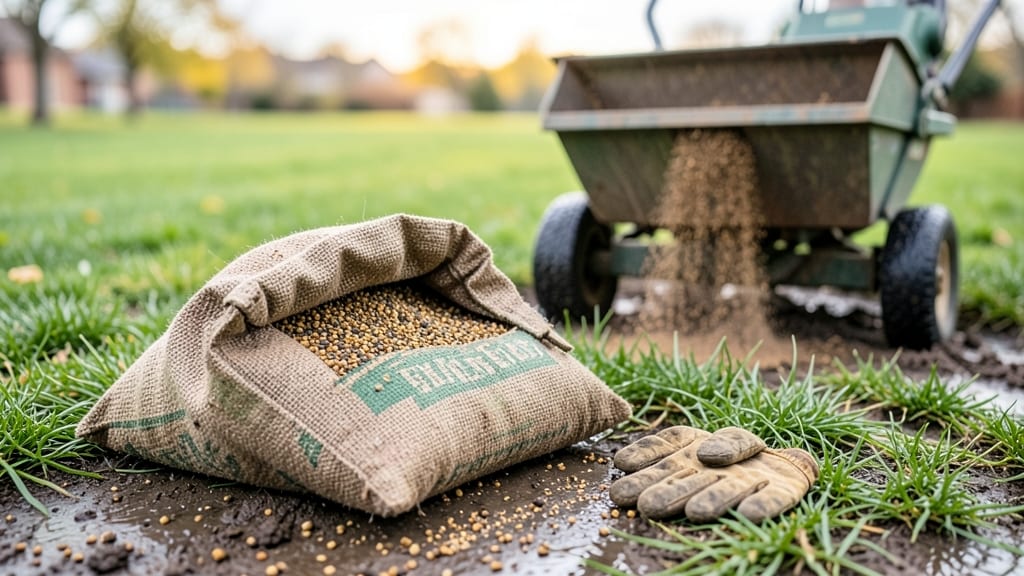
My lawn finally stopped looking like a patchwork quilt after switching to Espoma organic lawn fertilizer—that slow-release formula transformed my dull, sparse grass into a lush, vibrant carpet within weeks. 🌱 The secret lies in its organic ingredients and how they feed grass roots over time, not just a quick surface boost like synthetic fertilizers.
This stuff works best when applied in early spring and fall, mimicking nature's growth cycles. You'll see deeper green color and stronger root systems, plus it's safe for kids and pets once established.
The granules break down slowly, so you won't burn your lawn with overfeeding like I did with that cheap bag from the hardware store. What you'll end up with is grass that handles drought better, resists weeds more effectively, and stays green longer into fall.
The texture becomes noticeably softer underfoot too—no more stepping on rocks disguised as grass blades. Perfect for organic gardeners, eco-conscious homeowners, or anyone tired of chemical-heavy fertilizers. Let's get your lawn growing the right way!
📚 In This Guide
- What you need
- Instructions
- Tips and common mistakes
- Wrapping up and next steps
What you need
- ● Espoma Organic Lawn Fertilizer – 1 bag (20 lb) covers ~5,000 sq. ft. (check label for exact coverage).
- ● Broadcast spreader – A drop spreader (like Scotts Turf Builder) for even distribution.
- ● Garden hose with spray nozzle – For wetting the lawn before and after application.
- ● Gloves & long sleeves – Organic fertilizers are gentle, but protection never hurts!
- ○ Lawn mower (optional but helpful) – Mow grass to 2.5–3.5 inches before fertilizing.
- ● Calibrated spreader – Ensures precise fertilizer application (worth the investment!).
- ● Rain gauge or weather app – To avoid fertilizing before rain (washes it away!).
- ● Soil test kit – Checks pH/nutrient levels before applying (Espoma works best in 6.0–7.0 pH).
- ● Compost or topsoil – For patchy areas needing extra love.
How to apply Espoma organic lawn fertilizer for lush, disease-resistant grass
Here's the simple, science-backed method I use to transform patchy lawns into thick, vibrant carpets—no guesswork required.
🌱 Step 1: Prepare Your Lawn for Maximum Absorption
Mow your lawn to a height of 2.5-3 inches before applying fertilizer—this ensures even coverage and prevents clumping. I always mow with a sharp blade first; dull blades tear grass instead of cutting cleanly, leaving stress wounds that invite disease. After mowing, rake up any debris or thatch buildup—you want bare soil contact for the fertilizer granules.
Water the lawn lightly the night before application. The soil should be moist but not soggy—think of a wrung-out sponge. This pre-watering helps the granules dissolve and penetrate the root zone immediately. Avoid applying fertilizer when rain is forecasted within 24 hours, or you'll wash away nutrients before the grass can use them.
💧 Step 2: Apply Fertilizer Evenly Using the Right Technique
Spread the Espoma fertilizer using a broadcast spreader set to the recommended rate for your grass type (check the bag's instructions—typically 10-20 pounds per 1,000 square feet). I walk in a crisscross pattern to ensure no spots get missed or overloaded. For small lawns, a hand-held spreader works fine, but for anything over 500 square feet, the broadcast model saves time and prevents streaks.
Overlap each pass by 6-8 inches to maintain consistent coverage. You'll know you're doing it right when the granules look evenly distributed with no bare patches. After spreading, give the lawn a light watering to activate the slow-release nutrients—just enough to settle the granules without washing them away.
☀️ Step 3: Water Deeply to Activate Nutrients and Prevent Burn
Within 24 hours of application, water the lawn deeply to a depth of 6 inches. Use a rain gauge or tuna can to measure—1 inch of water should soak the soil to your wrist depth. This step is critical: shallow watering leaves fertilizer salts on the surface, which can burn grass blades. I always water in the early morning to reduce evaporation and allow the lawn to dry before evening dew sets in.
For the next 4-6 weeks, maintain regular watering to 1 inch per week, splitting it into two sessions (morning and evening). You'll see results within 7-10 days—grass blades will darken slightly and stand up straighter. If you notice yellowing or wilting, you've overwatered; if the lawn looks dull, it needs more moisture.
⏰ Step 4: Follow the Feeding Schedule for Year-Round Health
Espoma's slow-release formula feeds your lawn for up to 12 weeks, but I recommend a 4-1-4 schedule for best results: apply in early spring (when grass breaks dormancy), early summer (after mowing shock), and early fall (to strengthen roots before winter). Avoid fertilizing in late summer or early autumn—cool-season grasses like fescue and rye go dormant, and warm-season grasses like Bermuda struggle to process nutrients.
After each application, take soil samples annually to check pH. Espoma works best in slightly acidic soil (6.0-7.0 pH). If your test shows below 6.0, mix in dolomitic lime according to the test's recommendations. I've seen lawns transform from thin, brown patches to dense, green carpets by sticking to this schedule—no shortcuts, just consistency.
Tips & tricks for perfect Espoma lawn application
These science-backed tips will help you get the most out of your Espoma fertilizer—every time.
Mowing Matters: Cutting your lawn to 2.5-3 inches before application isn't just about height—it's about creating the perfect surface for fertilizer absorption. I've seen clumping issues disappear when I switched to sharp mower blades. Dull blades tear grass instead of cutting cleanly, which creates stress points that can actually prevent nutrients from reaching the roots.
Soil Prep Secret: That light watering the night before isn't just about moisture—it's about preparing the soil structure. Think of it like pre-soaking a sponge: the granules dissolve faster when the soil is already hydrated. I test soil moisture by grabbing a handful—it should hold together but not be dripping wet. This simple step prevents nutrient runoff and ensures maximum absorption.
Spread Like a Pro: The crisscross pattern with 6-8 inch overlaps in Step 2 isn't just about coverage—it's about creating an even nutrient blanket. I learned this the hard way when my lawn had patchy green spots after application. For small areas, a hand-held spreader works fine, but for anything over 500 square feet, the broadcast spreader is a game-changer. The key is to walk slowly and methodically.
Watering Wisdom: That 6-inch deep watering within 24 hours isn't just about activation—it's about preventing fertilizer burn. I've seen lawns develop brown patches when people water too shallowly. Use the tuna can test: 1 inch of water should reach your wrist depth. Morning watering is ideal because it gives the grass time to dry before evening dew forms, which helps prevent fungal issues.
Pro Tips for Espoma Lawn Fertilizer
- These science-backed tips will help you get the most out of your Espoma fertilizer—every time.
- Mowing Matters: Cutting your lawn to 2.5-3 inches before application isn't just about height—it's about creating the perfect surface for fertilizer absorption.
- Soil Prep Secret: That light watering the night before isn't just about moisture—it's about preparing the soil structure.
Frequently asked questions
Got questions about Espoma organic lawn fertilizer? You’re not alone! Here are answers to the most common queries—from application tips to troubleshooting—to help you grow the lushest lawn possible.
How often should I apply Espoma lawn fertilizer?
For most lawns, apply Espoma organic lawn fertilizer 4 times per year—once every 8–12 weeks during the growing season (spring, summer, and fall). Follow the label’s guidelines for your grass type (cool-season vs. warm-season) to avoid over-fertilizing. Pro tip: Split applications in early spring and late fall for steady, slow-release nutrition.
Can I use Espoma fertilizer on new grass seed?
Yes! Espoma’s organic, slow-release formula is safe for new grass seed once it’s germinated (about 3–4 weeks after planting). Avoid applying fertilizer directly to seed—wait until seedlings are 2–3 inches tall and actively growing. Use a half-strength application to prevent burning tender roots.
What’s the difference between Espoma’s organic and synthetic fertilizers?
Espoma’s organic fertilizers (like Organic Lawn Food) use natural ingredients—such as fish emulsion, seaweed, and composted plant materials—that feed soil microbes and improve long-term health. Synthetic fertilizers provide quick, water-soluble nutrients but can harm beneficial microbes and require frequent reapplication. Organic options like Espoma build soil fertility over time.
Why is my lawn turning brown after using Espoma fertilizer?
Brown patches after applying Espoma could signal over-fertilization, drought stress, or improper watering. Always water your lawn deeply before and after applying fertilizer to help nutrients absorb. If browning persists, check for fungal issues (like brown patch) or soil compaction. Fix it: Reduce future applications, aerate compacted soil, and water consistently.
Is Espoma fertilizer safe for pets and kids?
Espoma’s organic fertilizers are pet- and kid-friendly once fully absorbed into the soil (about 24–48 hours after application). However, avoid letting pets walk on freshly fertilized grass to prevent ingestion. Always store fertilizers out of reach and rinse hands after handling. For extra safety, opt for Espoma’s Earth-tone or Bio-tone lines, which are OMRI-listed for organic gardening.
Can I mix Espoma with other fertilizers or soil amendments?
While Espoma works well alone as a complete fertilizer, you can layer it with compost or topsoil for added organic matter. Don’t mix it with synthetic fertilizers or quick-release nitrogen sources (like urea), as this can disrupt the slow-release benefits. For best results, apply Espoma separately from other amendments, spacing them by at least 2–4 weeks.
Wrapping up and next steps
Transforming your lawn into a lush, vibrant green haven is easier than you think with Espoma Organic Lawn Fertilizer! This slow-release powerhouse delivers steady, natural nutrition, ensuring your grass thrives without the hassle of frequent applications.
Whether you're a seasoned gardener or just starting out, the right fertilizer and a little consistency can make all the difference.
Ready to take the next step? Grab your Espoma fertilizer, roll up your sleeves, and give your lawn the care it deserves! 🌱 Start today—your future green oasis awaits.