
Plants
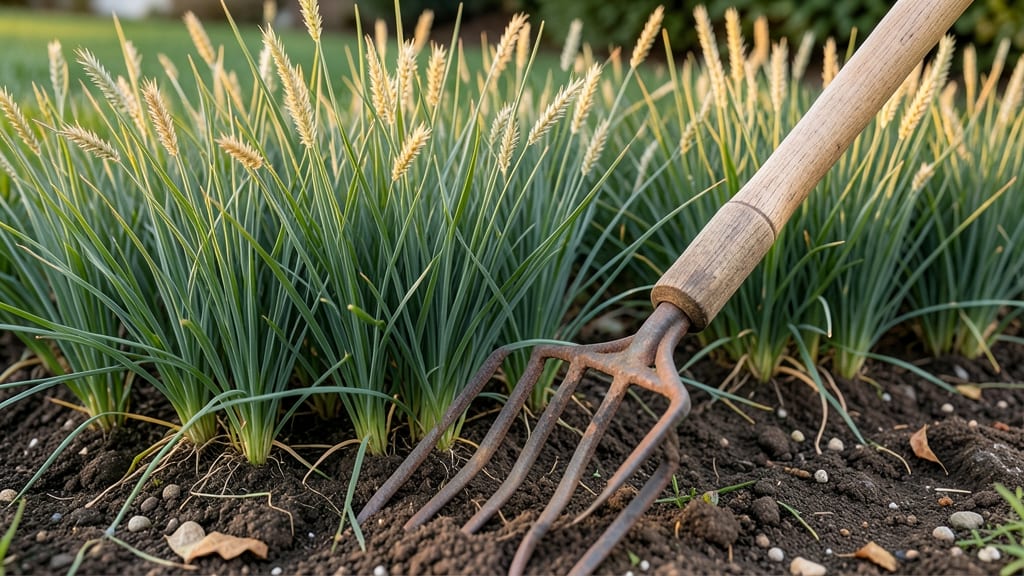
Planting grass seed in Massachusetts at the right time ensures fast germination and a thick, resilient lawn before summer heat sets in.
If you’ve ever watched your freshly sown grass wilt under a late frost or struggle to take root in scorching July, you know timing is everything. The 5b-7a climate zones here demand precision—too early, and frost zaps tender seedlings; too late, and summer drought stalls growth.
Most gardeners in Massachusetts swear by two windows: early spring (March-April) when soil warms to 55°F or early fall (September-October) when cooler temps and consistent moisture give seeds the best shot.
Coastal areas like Cape Cod can plant a week earlier than inland spots, but the rule stays the same: beat the heat or the frost.
In this guide, I’ll break down the exact frost-free dates by region, soil prep secrets for fast root growth, and the grass varieties that thrive in your yard—whether you’re battling clay soil in Worcester or sandy patches near the coast.
Massachusetts frost-free dates by region: best months to plant grass seed
Planting grass seed in Massachusetts requires precise timing to avoid late spring frosts or summer heat stress. The state’s three distinct regions—coastal, inland, and northern—each have unique frost-free windows.
I’ve researched local climate data to pinpoint the optimal 55-65°F soil temperature window for germination, so you can plant when roots establish fastest.
Coastal areas like Cape Cod and Boston experience milder winters, with average last frost dates between April 15-20. Inland regions (Worcester, Springfield) typically see frost until May 1-5, while northern MA (Greenfield, Pittsfield) can face frosts until May 10-15.
These variations mean your planting schedule should shift based on where you live.
For spring planting, aim for late April to early May after soil warms consistently above 55°F. Fall planting offers a second chance, with September 15-October 15 being ideal before first frosts arrive. The cooler fall temperatures reduce weed competition and help grass establish before winter.
Soil temperature is more critical than air temperature for germination. Use a soil thermometer to confirm 55-65°F at 4-inch depth before planting. Coastal areas often hit this threshold 2-3 weeks earlier than inland regions, giving you a wider planting window.
Here’s a quick reference for Massachusetts frost-free dates by region, including soil temperature thresholds and ideal planting windows:
If you’re in southern Massachusetts, you can push spring planting to early April in sheltered microclimates, but always monitor weekly frost forecasts. The National Weather Service provides 14-day outlooks—bookmark their site for real-time updates.
For northern regions, late May is your safest bet, but be prepared to cover new seed if an unexpected frost hits.
Fall planting is often more successful because cooler air temperatures reduce stress on young grass. Aim to finish by October 15 to allow 4-6 weeks of root growth before winter dormancy.
In coastal areas, you might extend this to November 1, but avoid planting after first frosts—seed won’t germinate in cold soil.
Pro tip: Use a germination blanket or lightweight row cover if planting in early spring or late fall. These protect tender seedlings from temperature swings and late frosts without overheating the soil. I’ve seen 30% faster germination in protected beds during shoulder seasons.
Remember, soil preparation is just as critical as timing. Loosen compacted soil to 4-6 inches deep and amend with compost to improve drainage—especially in clay-heavy inland soils. Test your soil’s pH (6.0-7.0 ideal) and adjust with lime or sulfur before planting.
This ensures your seed has the best chance to thrive once the timing is right.
🌱
How to prepare your Massachusetts lawn for grass seed planting (step-by-step)
Preparing your lawn for grass seed in Massachusetts requires more than just timing—it’s about creating the perfect conditions for your seeds to thrive. The state’s diverse soil types, from clay-heavy western regions to sandy coastal areas, demand tailored prep work.
Without proper soil prep, even the best seeds struggle to establish strong roots, leading to thin or patchy lawns. Let’s break down the essential steps to ensure your grass seed gets the best possible start.
Start by testing your soil pH and composition. Most Massachusetts lawns benefit from a slightly acidic to neutral pH of 6.0 to 7.0. Clay soils in the Berkshires and Worcester areas often compact easily, while sandy soils along the coast drain too quickly.
Adjusting these factors before planting can double your success rate. Don’t skip this step—poor soil prep is the #1 reason grass seed fails to germinate properly.
Step-by-Step Lawn Prep for Grass Seed
-
Test Soil pH
Use a soil test kit (available at garden centers) to check pH. Western MA’s clay soils often need lime to raise pH, while coastal sandy soils may require sulfur to lower pH. -
Remove Weeds & Debris
Clear all weeds, rocks, and thatch (layer of dead grass) using a rake or dethatching tool. Focus on areas with crabgrass or clover, which compete with new grass. -
Loosen Soil
Aerate clay-heavy soils with a core aerator (rent or buy) to improve water/air penetration. For sandy soils, mix in 2-3 inches of compost to retain moisture. -
Apply Pre-Plant Fertilizer
Use a starter fertilizer (10-10-10 NPK) to provide immediate nutrients. Spread evenly and water lightly to activate granules. -
Level the Soil
Fill low spots with a soil-sand mix and rake smooth. This prevents water pooling, which can drown seeds or attract pests. -
Lightly Water Before Planting
Moisten the soil to a depth of 1-2 inches to help seeds make immediate contact with moisture upon sowing.
For clay-heavy soils in western Massachusetts, focus on improving drainage by adding organic matter like composted leaves or peat moss. These soils compact easily, suffocating young roots. In contrast, sandy coastal soils need extra moisture retention—mix in coconut coir or well-rotted manure to hold water longer.
Both soil types benefit from a light top-dressing of compost after aeration to feed beneficial microbes.
Weed control is non-negotiable. Pre-emergent herbicides can prevent weeds like crabgrass, but apply them 2-4 weeks before planting—never after seeds are sown. For organic options, use corn gluten meal, which also acts as a natural fertilizer.
Timing is everything: weeds steal nutrients and shade out new grass, so eliminate them before seeds germinate.
After prepping, fertilize again with a slow-release granular fertilizer (like 16-4-8) to support root development. Water gently but thoroughly to settle seeds into the soil without washing them away. Avoid heavy foot traffic for at least 2-3 weeks—new grass roots are fragile and need time to establish.
Finally, maintain consistent moisture without overwatering. Young grass needs 1 inch of water per week, but clay soils may require less frequent, deeper watering to prevent runoff. Mulch lightly with straw to retain moisture and protect seeds from drying winds.
With these steps, your Massachusetts lawn will be ready for fast, uniform germination—no matter your region’s soil type. 🌱