
Plants
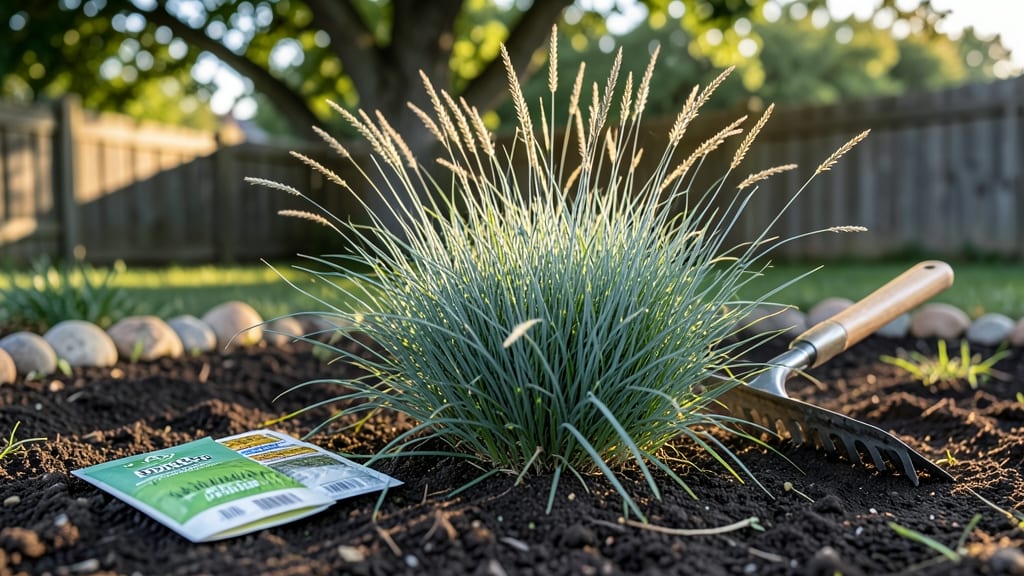
Planting grass seed in Massachusetts spring means timing it right after the last frost—typically mid-April—when soil temperatures hit at least 55°F for fast germination.
Timing your grass seed planting in Massachusetts can mean the difference between a lush lawn and a patchy, slow-growing mess—especially when unpredictable spring frost threatens your progress.
Most of the state falls in USDA zones 5b-6b, where early spring is still chilly, and a late frost can set back your new grass for weeks. But don’t wait too long—soil that’s too warm or dry will also slow down seedling growth.
Below, I’ll walk you through the exact 7-day buffer strategy to avoid frost, how to test your soil’s readiness, and the best grass seed varieties for your region’s climate.
Massachusetts spring planting timeline: frost-free soil checklist for grass seed success
Getting your grass seed in the ground at the right time in Massachusetts is like catching a wave—too early and frost will kill your efforts, too late and summer heat stresses young roots.
The ideal window for spring planting spans from late April through early June, but your exact timing depends on your region's last frost dates and soil temperature.
In Boston, for example, the average last frost hits around April 15, while Cape Cod's coastal climate often warms 2 weeks earlier. Worcester typically falls in between, with a May 1 target for safe planting.
Even with these averages, I always recommend waiting until you've confirmed soil temperatures consistently reach 50-65°F at a 4-inch depth. Grass seeds like Kentucky Bluegrass and Fine Fescue (common in MA) germinate best in this range.
A simple soil thermometer ($10 at garden centers) is your best tool—check temperatures in the morning for 3 consecutive days before planting. If nights still dip below 40°F, delay by at least 1-2 weeks to avoid frost damage to tender seedlings.
Here's my 7-day buffer strategy for frost-prone weeks: If your forecast shows a 30% chance of frost within 7 days of planting, I recommend adding mulch or frost cloth over newly seeded areas. For high-risk zones (like the Berkshires), I wait until May 15 to be safe.
Coastal areas can often plant 2-3 weeks earlier, thanks to the moderating effect of the Atlantic Ocean on temperatures.
Don't rely solely on calendar dates—I've seen late-May frosts in Boston and March warm spells on Cape Cod that fool gardeners into planting too early. Instead, combine frost date averages with real-time soil checks.
For example, if your soil hits 55°F in early April but the forecast shows a 20% frost chance, I'd still wait. The 7-day buffer accounts for these surprises by giving seedlings time to develop roots before potential cold snaps.
Pro tip: Use warm-season grass varieties like Bermuda grass (Zones 7-10) only in southern MA (like Nantucket), as they struggle with our USDA Zones 5b-6b winters. Stick to cool-season grasses like Tall Fescue or Perennial Ryegrass for northern regions—they handle our cold snaps and humid summers like champs.
These varieties also establish faster in 50-60°F soil, giving you a head start on weeds.
After planting, monitor your lawn's progress with the "squeeze test": Gently press your thumb into the soil. If it springs back slowly (like wet clay), your soil is too compacted—amend with compost before reseeding. If it crumbles easily (like dry sand), add organic matter to improve moisture retention.
Aim for soil that feels like a damp sponge—this consistency helps seeds stay hydrated during germination (7-14 days for most cool-season grasses).
5 Critical signs your Massachusetts soil is ready for grass seed (beyond the calendar)
Massachusetts' spring weather can be as unpredictable as a Boston commuter train—one day it's warm enough to plant, the next it's snowing again. While calendar dates give you a rough guideline, your soil tells the real story.
Ignoring these field indicators means risking slow germination or seed washout from sudden rains. I've learned the hard way that waiting for the "perfect" date often means missing the optimal window entirely.
Instead of guessing, focus on these soil readiness signs that actually matter. From the way your soil holds moisture to how weeds are behaving, nature gives you clear signals—you just need to know what to look for.
Here's how to read your Massachusetts soil's planting readiness without relying on a calendar.
- 💧 The "Sponge Test": Press your hand into the soil—if it holds its shape but crumbles easily when you poke it, moisture levels are perfect. Sandy soils drain too fast (wait 1-2 weeks), while clay holds too much water (amend with compost).
- 🌱 Weed Wake-Up Call: When dandelions and chickweed start sprouting vigorously, your soil temp is consistently above 50°F—ideal for grass seed. These weeds are nature's planting alarm clock.
- 🌡️ The 55°F Rule: Use a soil thermometer at 6 AM—if it reads 55°F+ for 3+ days, germination will begin within 7-10 days. Northern MA areas often need to wait until late April for this consistency.
- ☔️ Rainfall Rhythm: If you're getting 0.5-1 inch of rain weekly without heavy downpours, your seeds won't wash away. Track this for 7 consecutive days before planting.
- 🪴 Earthworm Activity: Active worms mean your soil is aerated and nutrient-rich. Dig a small hole—if you see 3+ worms per square foot, your lawn's ready. No worms? Amend with compost or aged manure first.
Don't let spring's false starts fool you—just because the calendar says "May" doesn't mean your soil is ready. I once planted in early May in Worcester only to have a late frost kill my new grass. The sponge test and weed activity would've saved me that heartbreak.
For clay-heavy soils (common in central MA), mix in 2-3 inches of compost to improve drainage. Sandy soils in coastal areas? Add peat moss to retain moisture. These amendments take 2-3 weeks to integrate properly—don't rush them.
If drought conditions arrive early (like in 2023), switch to drought-resistant varieties like Tall Fescue and plant 1-2 weeks later than usual. Water deeply twice daily for the first week to help seeds establish before rainfall returns.
Remember: Massachusetts' growing season is short—don't wait for "perfect" conditions. When your soil passes 3 of these 5 signs, it's time to plant. Your future lawn will thank you for listening to the earth instead of the calendar. 🌱