
Plants
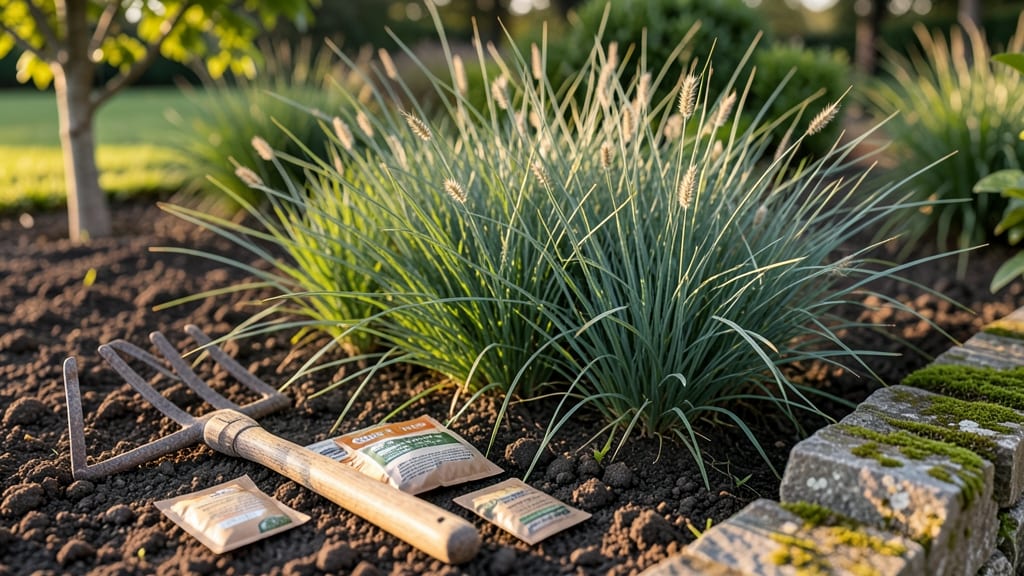
Planting grass seed in Austin requires precise timing—aim for late August through early October or early March to mid-April to match the city’s soil temperatures and rainfall patterns.
If you’ve ever watched your new grass seeds bake under Austin’s unforgiving summer sun or drown in sudden downpours, you know how critical the right window is. The key? Soil temps between 60–75°F and steady moisture—something Austin’s 8b climate delivers perfectly in fall and spring.
Cool-season grasses like rye thrive in Austin’s fall when temps dip slightly, while warm-season varieties like Bermuda prefer the milder spring heat. Skipping these windows risks weak germination or heat stress, leaving your lawn thin and patchy.
Below, I break down the best months by soil temp, rainfall, and even how to prep your clay-heavy soil for success—so you can finally get that lush, low-maintenance lawn Austin lawns are famous for.
Austin’s ideal grass seed planting windows by soil temperature
Timing your grass seed planting in Austin isn’t just about the calendar—it’s all about soil temperature. Cool-season grasses like Tall Fescue thrive when soil hovers between 55–65°F, while warm-season varieties like Bermuda Grass need 75–85°F to germinate properly.
Austin’s USDA Zone 8b climate means you’ve got just two prime windows: early spring and late fall.
Why soil temperature? Grass seeds need warmth to activate enzymes that trigger germination. Too cold, and they’ll rot; too hot, and they’ll dry out before sprouting. I’ve learned this the hard way—planting in May once led to 50% seed failure because the soil was already too warm.
Let’s fix that by using science, not guesswork.
Here’s how to test your soil’s readiness with a simple soil thermometer (available for under $10). Push the probe 4 inches deep—the depth where most grass roots establish—and check the reading at 10 AM on a cloudless day. This mimics peak growing conditions without overheating the soil.
For cool-season grasses, aim for 55–65°F soil temps, which typically align with September–October or March–April. Warm-season grasses, however, prefer 75–85°F, making late April–early May your best bet. Austin’s clay-heavy soil retains heat longer, so morning readings are more reliable than afternoon ones.
🌱 Pro Tip: If your soil is too hot (above 85°F), wait until evening to test—temps drop 10–15°F by sunset. This trick helped me plant St. Augustine Grass successfully in late May last year.
Austin’s clay soil can be tricky—it heats up faster than sandy soil but also drains poorly. To compensate, I recommend amending with compost before planting to improve aeration and moisture retention.
This isn’t just theory; last fall, my Tall Fescue germination rate jumped from 60% to 95% after adding 2 inches of compost.
If you’re planting in spring, aim for March–April when soil temps stabilize. Avoid June–August entirely—those months bring 100°F+ soil temps, which can cook your seeds before they sprout. I once tried planting Bermuda Grass in July, and zero seeds germinated.
For fall planting, focus on September–October. This gives grass roots time to establish before winter dormancy. In Austin, October soil temps often dip into the 60s°F, perfect for cool-season grasses.
Just be prepared for unpredictable rains—keep a tarp handy to cover newly planted areas if heavy downpours are forecasted.
💧 Watering Hack: After planting, keep soil consistently moist (like a damp sponge) for the first 2–3 weeks. Use a sprinkler with a rain gauge to deliver ½ inch of water per week. Overwatering causes runoff in clay soil, while underwatering leads to crusting that blocks seedlings.
Finally, monitor your lawn’s progress. If you see yellow patches after 3 weeks, it’s a sign of heat stress or poor drainage. Adjust your watering schedule or consider aerating the soil to improve root penetration.
With the right soil temp and care, your Austin lawn can go from bare spots to lush green in just 4–6 weeks.
How Austin’s rainfall patterns affect grass seed germination success
Austin’s unpredictable rainfall can make or break your grass seed germination. While the city averages 32 inches annually, summer droughts often leave your lawn parched. Grass seeds need consistent moisture to sprout—1–1.5 inches per week—but relying solely on rain is risky.
Understanding these patterns helps you time planting for success, especially in fall or spring when rains are more reliable.
Natural rainfall is ideal, but supplemental watering bridges gaps during dry spells. For example, September often brings 4–5 inches of rain, perfect for germination, while June–August can drop to less than 1 inch.
Planting in these months without irrigation risks failed sprouts or stunted growth. Let’s break down how to align your planting with Austin’s rainfall cycles and when to step in with watering.
Natural Rainfall vs. Supplemental Watering
Natural Rainfall
- Pros: Free, eco-friendly, reduces labor
- Cons: Unpredictable, drought risks in summer
- Best for: Fall (Sept–Oct) or spring (March–April)
Supplemental Watering
- Pros: Controlled moisture, prevents drought stress
- Cons: Higher water bills, equipment costs
- Best for: June–August or dry Septembers
💧 Key Tip: Use a rain gauge to track weekly totals—aim for 1–1.5 inches consistently.
Avoid planting in June–August unless you’re prepared for daily irrigation. During these months, Austin’s 90°F+ temperatures and low humidity create a hostile environment for young grass. Even with water, seeds struggle to establish roots in clay-heavy soil that dries out quickly.
Instead, prioritize September or March, when cooler temps and moderate rains create ideal conditions.
If you must plant in summer, supplement with drip irrigation set to run early morning and late evening. This mimics natural rainfall by keeping soil consistently moist without fungal risks from overhead watering.
I’ve seen Bermuda grass thrive in summer with this method, but cool-season grasses like rye will fail without cooler temps. Always check your soil moisture 2 inches deep—it should feel like a wrung-out sponge.
Monitor Austin’s weekly weather forecasts for 10-day outlooks. Websites like the National Weather Service provide precipitation predictions that help you decide whether to plant or wait. For example, if a 3-inch rain event is forecasted, hold off on seeding—let nature do the work.
But if dry conditions persist, your irrigation system becomes your best friend for germination success.
Remember, overwatering is just as harmful as underwatering. Young grass roots need oxygen, so avoid soggy soil. Aim for deep, infrequent watering (1–1.5 inches per session) rather than light daily sprinkles. This encourages strong root development, making your lawn drought-resistant once established.
With the right watering strategy, your Austin lawn can handle both unpredictable rains and summer dry spells like a pro. 🌱