
Plants
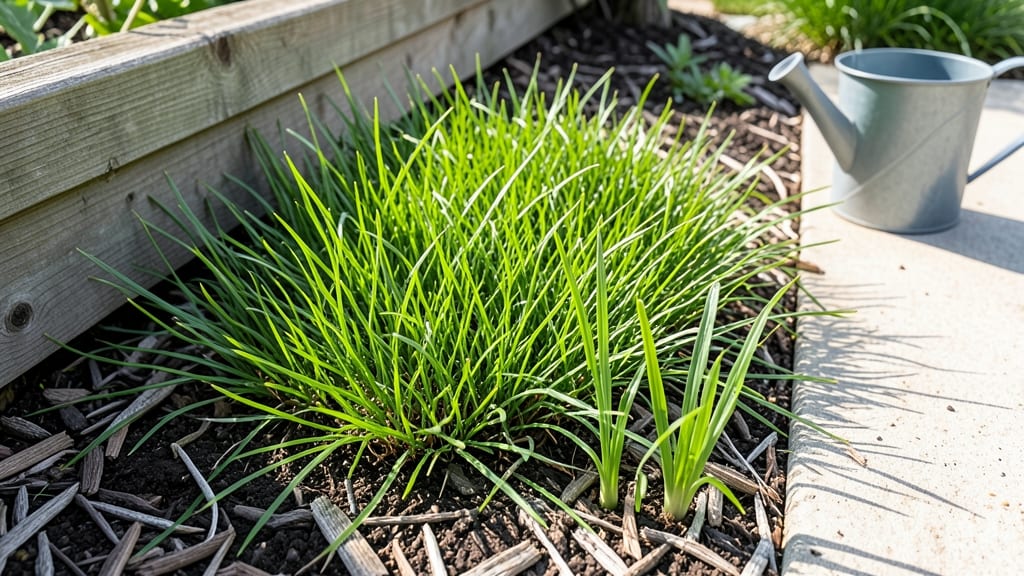
Planting Bermuda grass in Virginia at the right time ensures deep roots and a lush lawn—soil temperatures of 65°F or higher are the key to success.
If you’ve ever planted too early and watched your seedlings wilt in a late frost, you know how critical timing is. Bermuda grass thrives in Virginia’s 6a-8a zones, but rushing it can mean slow growth or even failure to establish.
Spring is the best window—late April to mid-May—when soil warms consistently. Fall planting (late August to early September) also works, but only if you act before the first frost hits.
Below, I’ll break down the exact soil temps to watch for, regional adjustments for Virginia’s varied climate, and how to prep your yard for the best possible start.
Virginia’s Bermuda grass planting timeline: when soil warmth meets spring realities
Planting Bermuda grass in Virginia isn’t just about picking a month—it’s about matching your schedule to soil temperatures and regional climate quirks. In Coastal Virginia, where humidity lingers, you might plant a week earlier than in the Piedmont, where dry winds demand extra moisture.
Even the Mountain regions like Roanoke have their own frost-free windows. Getting this right means the difference between a thick, drought-resistant lawn and a patchy, struggling yard.
For most of Virginia, the ideal planting windows are late April to mid-May or late August to early September. These periods align with soil temperatures consistently above 65°F (18°C), which is non-negotiable for Bermuda grass germination.
If you plant too early, cold soil will stall growth, and late plantings risk summer drought stress before roots establish. Let’s break down the exact timing for each region to avoid these common pitfalls.
🌱
| Region | Best Planting Window | Soil Temp Threshold | Key Considerations |
|---|---|---|---|
| Coastal Virginia (Norfolk, Virginia Beach) | Late March–Early April OR Late August | 65°F+ (earlier due to milder winters) | Higher humidity; watch for fungal risks in spring |
| Piedmont (Richmond, Fredericksburg) | Mid-April–Mid-May OR Late August–Early Sept | 65°F+ (wait for consistent warmth) | Drier climate; prioritize deep watering |
| Mountains (Roanoke, Blacksburg) | Late April–Early May OR Early Sept | 65°F+ (cooler nights delay germination) | Shorter growing season; use faster-germinating sod |
| All Regions (Fall Option) | Late August–Early September | 60°F+ (soil cools faster in fall) | Avoid planting after September 15 in most zones |
If you’re planting in spring, aim for the late April to mid-May window. This gives Bermuda grass 8-10 weeks of warm soil before summer’s heat peaks. For example, in Richmond, where last frosts typically hit April 10, wait until April 20 to ensure soil warmth.
In Norfolk, you can push it to late March if your soil stays above 60°F.
For fall planting, late August to early September is your best bet. This timing lets roots establish before first frost, which usually arrives in mid-October for most of Virginia.
In the Mountains, like Roanoke, shift to early September to avoid early cold snaps. Pro tip: Use a soil thermometer to confirm temperatures—don’t guess!
One mistake I see often is planting Bermuda grass seeds in June or July because the weather seems warm. But without consistent moisture and cooler nights, seeds often bake in the soil or fail to germinate.
If you miss the spring window, opt for sod instead, which establishes faster and handles summer heat better.
Regional microclimates also play a role. For instance, Coastal Virginia’s salt air can stress young grass, so add gypsum to improve drainage. In the Piedmont, where clay soils dominate, till in compost to loosen the ground before planting.
These tweaks make all the difference in root depth and long-term resilience.
Finally, don’t overlook watering schedules. New Bermuda grass needs 1-1.5 inches of water weekly during establishment, but deep soakings (2-3 times per week) work better than daily light sprinkles. In summer, water early morning to prevent fungal diseases like brown patch, which thrives in Virginia’s humidity.
By aligning your planting with soil warmth and regional timing, you’ll give your Bermuda grass the head start it needs for a thick, green lawn that outlasts Virginia’s unpredictable weather. Start with the right window, and the rest—fertilizing, mowing, and maintaining—becomes so much easier.
🌿
5 Critical factors that determine your Bermuda grass planting success in Virginia
Timing your Bermuda grass planting in Virginia isn’t just about avoiding frost—it’s about matching your lawn’s needs with the state’s three distinct climate zones.
From the humid Coastal Plain to the cooler Appalachian Mountains, each region demands a different approach. Soil temperature and moisture levels are your best guides, but without testing them first, you risk slow germination or even total failure.
I’ve planted Bermuda grass in Richmond’s Piedmont region and seen firsthand how a 5-day delay in spring planting can mean the difference between a lush lawn and patchy, struggling grass.
The key? Understanding five critical factors that separate successful lawns from those that struggle. Let’s break them down so you can plant with confidence.
-
1. Last Frost Dates by Region
Coastal: April 5 | Piedmont: April 10 | Mountains: April 15
-
2. Soil Temperature Threshold
Wait until soil reaches 65°F+ (use a soil thermometer!)
-
3. Drought Risk Periods
Avoid planting in June-July—high heat stresses young grass
-
4. Seed vs. Sod Decision
Sod: Faster (plant May-June) | Seed: Cheaper (plant April or August)
-
5. Soil Readiness Tests
pH: 6.0-7.5 | Moisture: Damp but not soggy | Temp: 65°F+
Let’s start with the most common mistake I see: planting Bermuda grass too early. Many gardeners in Virginia’s Coastal Plain rush to plant in March, only to watch their seeds rot when a late frost hits.
The last frost dates vary wildly—Norfolk’s April 5 is weeks earlier than Roanoke’s April 15—so check your local USDA zone before grabbing seeds. A simple frost calendar from your county extension office can save you hours of frustration.
Once you’ve passed the frost risk, the next battle is soil temperature. Bermuda grass won’t germinate until the soil hits 65°F (18°C), and cooler temperatures mean slower growth. I always use a soil thermometer to confirm—dig it 2 inches deep in the morning shade.
If it’s below 65°F, wait. Patience here pays off: I’ve seen lawns planted at 70°F establish in 14 days, while those planted at 60°F took 30 days just to sprout.
Virginia’s summer droughts are another silent killer of new Bermuda grass. Planting in June or July might seem ideal because of the heat, but the lack of consistent rainfall can dry out seeds before they germinate.
Instead, aim for late August to early September for fall planting—this gives your grass time to establish roots before winter dormancy. Water deeply 2-3 times per week during establishment, and always check moisture by hand: if the top inch feels dry, it’s time to water.
Choosing between seed and sod depends on your timeline and budget. Sod gives you instant coverage but costs more and needs immediate watering. Seed is cheaper and works well in Virginia’s spring (April-May) or fall (August-September) windows, but requires 4-6 weeks to establish.
For large areas, sod wins; for small patches or tight budgets, seed is the way to go. Pro tip: If using seed, lightly rake the soil before planting to ensure good seed-to-soil contact—this simple step can double your germination rate.
Finally, don’t skip the soil tests. Bermuda grass thrives in slightly acidic to neutral soil (pH 6.0-7.5), but Virginia’s native clay soils often skew acidic (pH 5.0-6.0).
Grab a DIY soil test kit (or send a sample to your local extension office) to check pH and adjust with lime (to raise pH) or sulfur (to lower pH) before planting. Well-draining soil is also critical—amend heavy clay with compost or sand to prevent waterlogging, which can suffocate roots.