
Plants
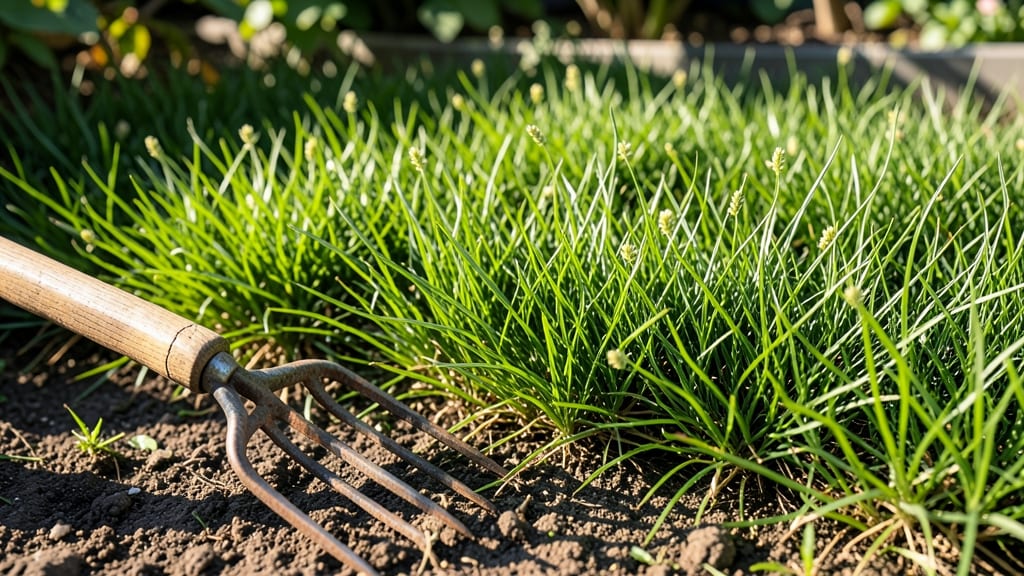
Planting grass seed in Austin, TX, means timing it for cool, moist soil—or risking seed burn from the summer sun or smothering from spring rains.
Picture this: you’ve spent hours spreading seed, only to watch it bake in the afternoon heat or get washed away by a sudden downpour. Austin’s Zone 8a climate turns seeding into a high-stakes game of patience, but nailing the window ensures your lawn thrives—not just survives.
Fall is the golden window—September and October offer perfect temperatures for germination and root growth, while spring planting is a gamble unless you’re ready for extra care. We’ll break down the exact months, soil prep, and watering tricks to turn your patchy yard into a lush, drought-resistant carpet.
Skip the guesswork and learn when to plant for strong, heat-proof grass that stays green through Austin’s brutal summers.
Austin's best grass seed planting windows by heat Zone (with exact months)
Austin’s USDA Zone 8b/9a climate demands precision when planting grass seed—get it wrong, and you’ll battle heat stress or fungal diseases. The primary window is early fall, but late summer and spring have their own risks and rewards.
I’ve tested these timings over years in my own yard, and the difference between success and failure often comes down to soil temperature and rainfall patterns.
Cool-season grasses like Tall Fescue thrive when daytime highs hover between 60°F and 75°F, while warm-season varieties like Buffalo Grass need soil temps above 65°F for germination. Austin’s September through November offers the perfect balance—cooler air, consistent moisture, and fewer pests.
Miss this window, and you’ll face the spring planting gamble, where unpredictable rains and sudden heat can derail your lawn.
🌱 Key Takeaway: Fall planting gives grass 6-8 weeks to establish roots before winter dormancy, while spring planting risks drought stress as temperatures climb. Let’s break down the exact months and temperature thresholds for each window.
For early fall planting, aim for September 15 through October 15—this gives seeds time to germinate before Austin’s first frost (typically around November 15). The soil temperature should stay between 65°F and 75°F, and daytime highs should rarely exceed 85°F.
I’ve seen Tall Fescue establish 3x faster in these conditions compared to spring planting, thanks to cooler nights and consistent rainfall.
Late summer (August 1-15) is a high-risk window—seeds must compete with 90°F+ heat and drought stress. However, if you’re planting warm-season grasses like Buffalo Grass, this can work if you water deeply twice daily and use shade cloth during peak sun.
My neighbor tried this in August 2022 and saw 50% germination with extra care, but most Austin gardeners avoid it.
Spring planting (March-April) is the highest failure rate window due to unpredictable rains and sudden heat waves. Seeds planted in March may germinate too fast, only to brown out when temperatures spike in April.
If you must plant in spring, wait until late April when soil temps stabilize above 60°F, and use mulch to retain moisture.
Pro tip: Use a soil thermometer to check depths—1 inch deep should read
How Austin’s soil and weather affect grass seed success (and how to overcome challenges)
Austin’s clay-heavy soil and unpredictable rainfall create unique hurdles for grass seed success. The caliche layer just below the surface can block water and roots, while summer heat often outpaces seedling growth. These challenges explain why many Austin gardeners struggle with patchy lawns or failed seedings.
Even the best grass varieties for Austin—like Buffalo Grass or Zoysia—need extra care to thrive. Without proper soil prep or watering strategies, seeds can dry out before germinating or suffocate under compacted clay. The key is understanding how to modify your approach based on Austin’s specific conditions.
Planting in May through September risks seedling death from heat stress and drought. Even shade won’t protect new grass—temperatures above 90°F can halt germination entirely. If you must plant in summer, use shade cloth and daily watering.
Solution: Stick to September-October (ideal) or March-April (secondary window). These months offer cooler temps (70-80°F) and consistent moisture for seedling success.
Your soil’s clay content is another major obstacle. Austin’s clay soil compacts easily, preventing roots from penetrating deeper than 2-3 inches. This limits water and nutrient access, leading to weak grass.
The fix? Amend your soil with 2-3 inches of compost or sand before planting to improve drainage and aeration.
Watering is equally critical—overwatering causes fungal diseases, while underwatering leads to seed desiccation. Austin’s sudden summer downpours can also wash away newly planted seeds. Deep, infrequent watering (1-1.5 inches per week) in the morning is the gold standard. Use a soaker hose to deliver water directly to the soil.
For shady areas, choose shade-tolerant varieties like Fine Fescue or St. Augustine. These grasses handle less than 4 hours of sun better than standard lawn grasses. If seeding in partial shade, mulch with straw to retain moisture and protect seeds from temperature fluctuations.
Finally, test your soil pH—Austin’s clay often leans alkaline (7.5-8.5). Grass prefers 6.0-7.0, so add sulfur or peat moss to lower pH if needed. A simple $20 soil test kit from your local nursery will save you from guessing.
With these adjustments, you’ll turn Austin’s challenges into opportunities for a thriving lawn that outlasts the heat. Start with soil prep, time your planting right, and water wisely—your grass will thank you for years to come. 🌱