
Plants
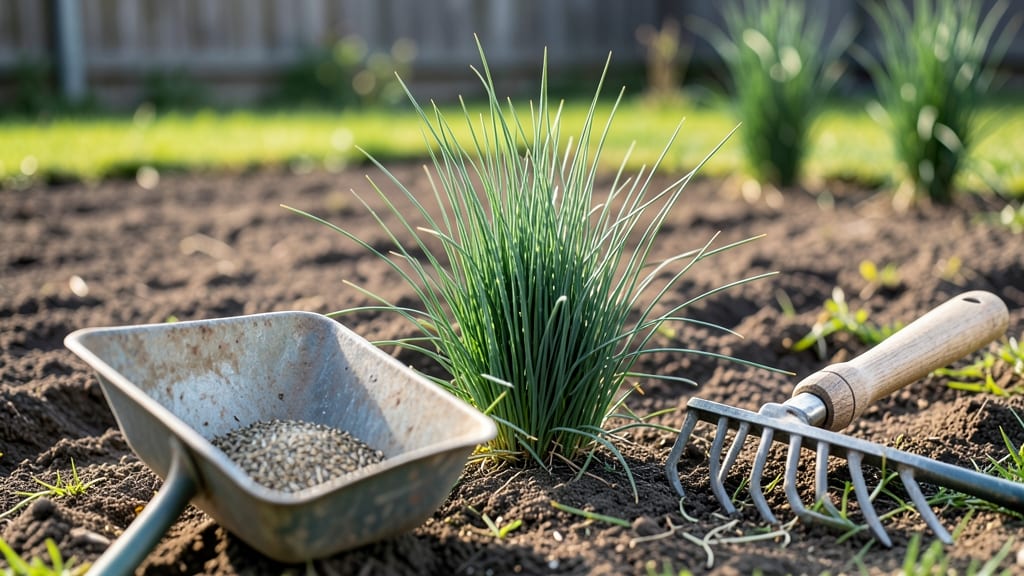
Planting grass in the spring at the right time ensures fast root growth and a thick lawn by summer — but the perfect window depends on your heat zone and soil conditions.
If you've ever rushed to plant too early and watched your seeds freeze, or waited too long and struggled with weeds taking over, you know timing is everything. The key is planting 4-6 weeks after your last frost when soil temperatures hit 55°F or higher.
For most of the U.S., that means late March to mid-May, but cooler zones like USDA 6a may need to wait until early April. Warm-season grasses, like Bermuda, can even go in as late as June in southern areas.
Below, I’ll break down the exact planting dates by zone, how to test your soil, and the 3 signs your timing is perfect — so you can skip the guesswork and get a lawn that’s green and strong all season.
Best spring planting dates by USDA heat Zone for fast grass root growth
Getting your grass seed in the ground at the right time is critical for establishing strong roots before summer heat sets in. The USDA Heat Zone system helps determine when to plant based on your climate, but even within zones, soil temperature and air temperature thresholds matter most.
Cool-season grasses like Kentucky bluegrass and fescue thrive in cooler spring conditions, while warm-season types like Bermuda and Zoysia need warmer soil to germinate quickly.
For most regions, the ideal window is 4-6 weeks after the last frost when soil temperatures reach at least 55°F (13°C). However, this varies dramatically from USDA Zone 3 (northern climates) to Zone 11 (tropical areas).
Let's break down the best planting months for each zone to ensure your grass gets off to a fast, healthy start.
⚠️ PRO TIP: Always check your local last frost date and soil temperature trends—these are more important than the zone alone. Use a soil thermometer to confirm readiness before planting.
In USDA Zones 3-4, where frosts linger late into spring, cool-season grasses like tall fescue should be planted no earlier than late April to avoid frost damage. The soil must stay consistently above 45°F (7°C) for at least 2 weeks before planting.
In these northern climates, warm-season grasses simply won't survive winter, so focus on cool-season varieties that can handle early fall frosts.
For Zones 5-6, like much of the Midwest and Northeast, the sweet spot is mid-April to late May. This gives seedlings time to establish roots before summer heat arrives. If you're planting Bermuda grass (a warm-season type), wait until soil temperatures hit 65°F (18°C)late May in these zones. Pro tip: Use a black plastic mulch to
How to adjust planting time for early spring freezes or late heat waves
Unpredictable spring weather can throw off even the most experienced gardener's planting schedule. If you live in a region prone to late freezes or early heat waves, timing your grass planting becomes a delicate balancing act.
The key is adapting to your local climate patterns while ensuring your grass seed gets the optimal conditions for root establishment.
For example, in USDA Zone 5, early April might feel safe, but a sudden frost can kill young grass seedlings. Meanwhile, in Zone 9, waiting until May could mean your lawn misses critical early growth.
The solution? Flexible strategies that let you delay, advance, or protect your planting based on real-time conditions.
⚠️ Late Frost Risk? Don't Plant Too Early!
If your region has a 10% chance of frost after April 15, hold off planting cool-season grass until soil temps stay above 50°F for 5+ days. Use a soil thermometer—not the calendar—to decide. Warm-season grasses need 65°F+ soil for 7+ days before planting.
Pro Tip: Check your local National Weather Service frost probability maps or use Frost Freeze Warnings as your guide.
One of my favorite tricks for late frost-prone areas is using black plastic mulch to warm the soil. Lay it down 2-3 weeks before planting to raise soil temperatures by 5-10°F.
For early heat waves, shade cloth (30-50% coverage) can protect tender seedlings from drying out while still allowing light.
Another strategy is staggered planting. Divide your lawn into sections and plant them 2-3 weeks apart. This way, if one batch gets hit by frost, the others may survive.
For warm-season grasses like Bermuda or Zoysia, start seeds indoors in biodegradable pots 4-6 weeks before your target outdoor date to get a head start.
Don't forget about microclimates—southern exposures warm faster than northern ones, and slopes dry out quicker. Test your soil in multiple spots to identify the fastest-warming areas for early planting. If your yard has low spots that stay cold, focus on those first once temperatures rise.
Finally, keep a planting risk journal for 2-3 years. Note the dates you planted, any frost events, and how quickly grass established. This personalized data will help you refine your schedule year after year.
With these adjustments, you can turn unpredictable spring weather into an advantage for a thicker, greener lawn every season. 🌱