
Companion Plants
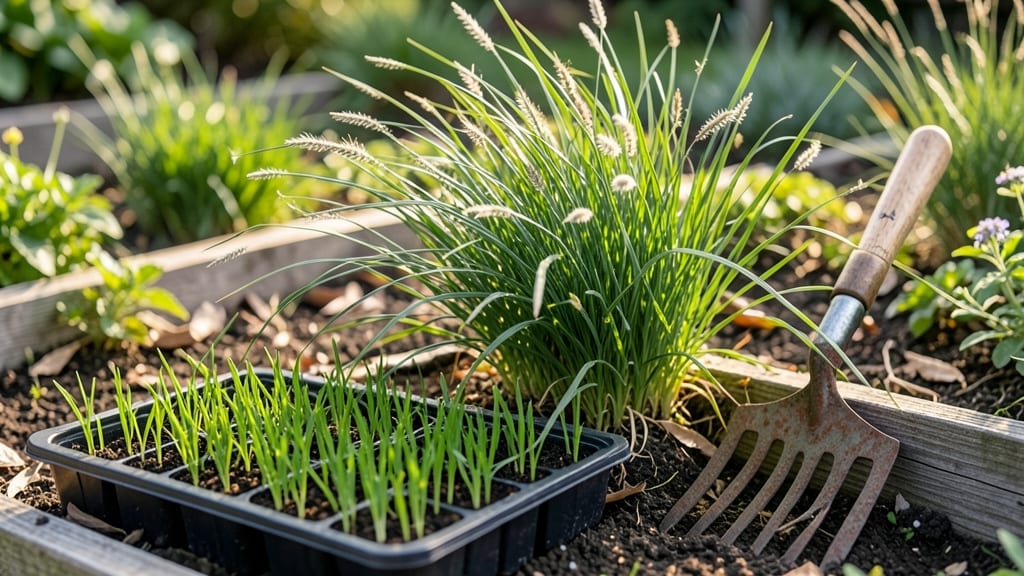
Planting grass in Pennsylvania during early spring or fall gives your lawn the best shot at deep roots and year-round resilience.
Pennsylvania’s unpredictable climate can make or break your lawn—planting grass at the wrong time means weak roots, patchy growth, and wasted money. But timing it right? That’s the secret to a lush, drought-resistant lawn that stays green year after year.
In USDA zones 5b-7a, the ideal windows are March-April for spring planting and September-October for fall. Summer heat stresses new grass, so avoid planting between May and August unless you’re using shade-tolerant varieties.
Below, I’ll walk you through the exact soil prep, heat zone adjustments, and post-planting care to ensure your grass takes hold fast—no guesswork, just results.
Pennsylvania grass planting timeline by heat Zone (best months for fast root growth)
Pennsylvania’s USDA Heat Zones 5a-7b create dramatic differences in planting success. Cool-season grasses like Kentucky Bluegrass and Tall Fescue thrive when planted during optimal temperature windows—too early or late, and you risk weak root systems and patchy coverage.
The key? Plant when soil temps stay between 55°F and 65°F for consistent germination.
Most gardeners focus on spring planting (March-April), but early fall (September-October) often delivers faster root growth because cooler temps reduce water stress and weed competition.
In Zone 5a (northwest PA), aim for late April to early May—earlier risks frost damage, while Zone 7b (southeast PA) can start as early as mid-March.
Comparison Table: Pennsylvania Grass Planting Windows by Heat Zone
For spring planting, I recommend starting 4–6 weeks before your last frost date—this gives seeds time to germinate before summer heat sets in.
Use a soil thermometer to confirm temps are above 55°F; if it’s colder, wait. Zone 5a gardeners should avoid planting before May 1st to prevent frost damage, while Zone 7b can start as early as March 15th.
Fall planting is my top recommendation for Pennsylvania lawns. The 60-day window between September and early October provides ideal conditions: warm soil, cool air, and minimal weed competition. Grass planted in fall establishes deeper roots before winter, making it drought-resistant by next summer.
For Zone 6a, aim for September 15th–October 1st—this aligns with optimal soil moisture before the first frost.
One common mistake I see is planting too late in spring (after June 1st). By this point, summer heat and drought stress make germination difficult. If you miss spring and fall, overseeding in late summer (August) can still work, but expect slower establishment.
Always water deeply (1–1.5 inches per week) to encourage root penetration.
Pro tip: If you’re in Zone 5a–6a, try a two-step fall approach. Plant half your seed in early September and the other half in late September.
This staggered method ensures continuous root growth and thicker coverage by spring. Pair this with a light nitrogen fertilizer (24-0-5) applied 2 weeks after planting to boost early growth.
Remember, PA’s clay-heavy soils can slow drainage—amend with compost or sand before planting to
Signs your Pennsylvania lawn is ready for grass planting (soil, weather & seed prep checklist)
Timing your grass planting is everything in Pennsylvania’s variable climate. Cool-season grasses like Kentucky Bluegrass and Tall Fescue need the right conditions to establish strong roots before summer heat or winter frost sets in. The key? Watching for these three critical signs before breaking ground.
First, check your soil temperature—it should sit between 55–65°F at a depth of 2–3 inches. Use a soil thermometer (or even your finger) to test: if it feels warm but not scorching, your soil is ready.
This usually aligns with late April to early May in most of PA, but cooler regions like the Poconos may wait until mid-May.
🌱 KEY TAKEAWAY
Your PA lawn is ready for grass planting when:
🌡️ Pro Tip: PA’s clay-heavy soils? Loosen with compost or sand before seeding!
Next, focus on moisture levels. Your soil should feel damp but crumbly—like a wrung-out sponge. If it’s bone-dry, water deeply 24 hours before planting to help seeds germinate faster. Avoid planting if rain is forecasted for 48 hours post-seeding, as erosion can wash away precious seed.
Use a moisture meter or the "squeeze test": grab a handful—if it holds shape but breaks when pressed, it’s perfect.
Don’t overlook the weather forecast. Check for a 4-week frost-free window using the National Weather Service or Old Farmer’s Almanac. Planting too early (before April 15 in most areas) risks frost damage, while waiting too long (after June 1) means battling summer heat and weeds.
For fall planting, aim for September 1–15—this gives grass time to root before winter.
If your soil is clay-heavy (common in PA), take extra steps: till in 2–3 inches of compost or sand to improve drainage.
Test your soil’s pH level (ideal: 6.0–7.0) with a home test kit—if it’s off, amend with lime (to raise pH) or sulfur (to lower pH) 4–6 weeks before planting. Skip the pre-emergent herbicide now; it’ll block your new grass from sprouting!
Finally, prep your seed mix. For new lawns, choose a cool-season blend with 50% Fescue (drought-tolerant) and 50% Bluegrass (hardy). For overseeding, a 100% Fescue mix fills in thin spots better.
Spread seed evenly with a broadcast spreader, then lightly rake to ensure seed-to-soil contact. A thin layer of straw mulch protects seeds from birds and keeps moisture in.
With these signs checked off, your Pennsylvania lawn is primed for strong, resilient grass that’ll outlast the state’s unpredictable weather. Grab your tools—spring (or fall) planting season is your chance to grow a lawn that’ll be the envy of the neighborhood! 🌿