
Plants
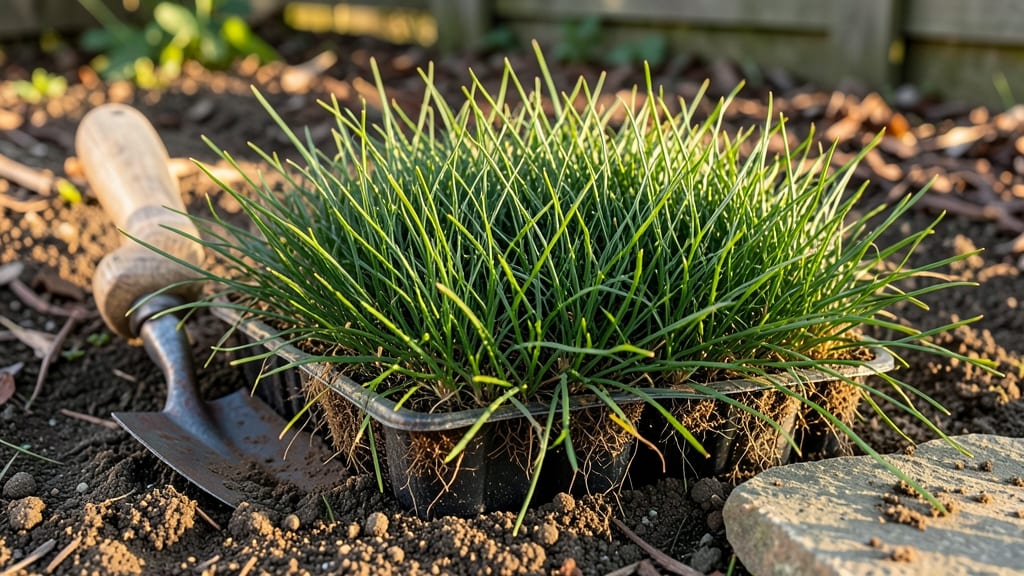
Planting summer grass in Arizona at the right time means the difference between a thriving lawn and a sun-scorched disappointment.
Arizona’s scorching summers can turn your lawn into a crispy wasteland if you plant grass at the wrong time—but timing it perfectly ensures lush, drought-resistant growth with minimal upkeep.
Most warm-season grasses like Bermuda or Zoysia need to go in the ground when soil temperatures hit 65°F and stay there, which in Arizona means late spring to early summer.
Too early, and the heat will fry the seedlings; too late, and you’ll miss the window for deep root establishment before monsoon season arrives.
Below, I break down the exact planting timeline by heat zone, soil prep tricks for Arizona’s alkaline dirt, and how to keep your grass alive through the brutal 110°F days. Let’s get that green growing fast.
Arizona heat zones: best summer grass planting dates by region (2024 guide)
Arizona’s extreme heat zones create three distinct windows for summer grass planting. The Low Desert (Phoenix, Tucson) has the longest growing season, while the High Desert (Flagstaff, Prescott) requires earlier timing to avoid frost. Understanding these temperature thresholds ensures your grass germinates and establishes roots before summer’s peak heat.
Warm-season grasses like Bermuda and Zoysia thrive when soil temperatures reach 65°F+. In Arizona, this typically occurs between late February and early April in the Low Desert, but shifts to mid-March to early May in cooler regions.
Planting too early risks seed rot from lingering moisture, while late planting stresses young roots during 100°F+ heat.
| Heat Zone | Optimal Planting Window | Soil Temp Threshold | Key Considerations |
|---|---|---|---|
| Low Desert (Phoenix, Tucson) | Late February - Early April | 65°F+ (consistent) | High evaporation; water deeply at dusk |
| Mid Desert (Mesa, Sedona) | Mid-March - Late April | 60°F+ (minimum) | Moderate heat; use shade cloth if planting early |
| High Desert (Flagstaff, Prescott) | Early May - Mid-June | 55°F+ (cooler nights) | Frost risk until late May; choose cold-hardy varieties |
For the Low Desert, aim to plant 4-6 weeks before monsoon season (mid-July) to take advantage of natural rainfall. In Phoenix, this means starting seeds indoors by late January or sowing directly by mid-February.
The key is ensuring root establishment before temperatures exceed 95°F, which can stunt growth.
In the Mid Desert, cities like Sedona and Mesa experience 10-15°F cooler nights than Phoenix, extending the planting window. Here, late March is ideal for Bermuda grass, as it allows seeds to germinate before the April heat surge.
Use shade cloth if planting in partial shade areas to maintain soil moisture.
The High Desert presents unique challenges with its cooler nights and later frost dates. Planting after Memorial Day (late May) minimizes frost risk while still allowing 60-70 days of growth before summer’s peak.
Varieties like Buffalo grass thrive here due to their drought tolerance and ability to handle temperature swings between day and night.
Regardless of your zone, watering schedules must adjust post-planting. Newly seeded areas need daily watering for the first 2 weeks to prevent crusting, while established sod requires deep watering 2-3 times per week.
In the Low Desert, this means 1-2 inches of water per session before 8 AM to reduce evaporation.
Pro tip: Use a soil thermometer to monitor temperatures—consistent 65°F+ is non-negotiable for germination. If your soil runs cooler, opt for pre-germinated sod instead of seed. This skips the germination phase entirely and gets your lawn established 3-4 weeks faster.
For fall planting (August-September), the process reverses. Cooler nights and monsoon tapering create ideal conditions for cool-season grasses like Ryegrass. This secondary window is perfect for repairing bare spots or transitioning to a mixed grass lawn that handles Arizona’s extremes.
Remember: Heat stress is the #1 enemy of summer grass in Arizona. By aligning your planting with these zone-specific windows, you’ll avoid the crispy lawn syndrome and enjoy a lush, low-maintenance turf all year. 🌱☀️
How to prepare Arizona soil for summer grass planting (step-by-step prep)
Arizona’s alkaline soil and intense summer heat demand extra prep before planting summer grass. Without proper soil prep, your seeds will struggle to germinate or establish roots, leading to patchy, weak growth. The key is improving water retention, balancing pH levels, and shielding young plants from scorching temperatures.
I’ve planted summer grass in Arizona’s Low Desert for years, and the difference between a thriving lawn and a failed attempt comes down to these 5 critical prep steps. Skipping any of them—especially soil testing or shade protection—will leave your grass vulnerable to heat stress and poor establishment.
Step-by-Step Soil Prep for Arizona Summer Grass
-
Step 1: Test Soil pH
Arizona soil is naturally alkaline (pH 7.5-8.5). Summer grass thrives in slightly acidic to neutral soil (pH 6.0-7.0). Use a soil test kit from your local nursery and adjust with sulfur or peat moss if needed. -
Step 2: Improve Drainage
Mix 1-2 inches of compost into the top 6 inches of soil to enhance organic matter. For clay-heavy soil, add coarse sand or perlite to prevent waterlogging, which suffocates roots in Arizona’s monsoon season. -
Step 3: Install Shade Cloth
Cover the planting area with 30-50% shade cloth for the first 4-6 weeks after planting. This protects seedlings from 100°F+ temperatures, which can cook them before roots establish. Remove cloth gradually as grass hardens off. -
Step 4: Water Retention Boost
Spread 2-3 inches of hydro-mulch (a blend of straw and wood fibers) over seeded areas to lock in moisture. Water deeply twice daily (early morning and late afternoon) for the first 2 weeks to keep soil consistently damp. -
Step 5: Pre-Water the Soil
24-48 hours before planting, soak the soil to a depth of 6 inches. This ensures seeds make immediate contact with moisture, which is critical in Arizona’s dry climate. Use a soaker hose for even distribution.
One mistake I made early on was rushing to remove the shade cloth too soon. My Bermuda grass seedlings turned brown within days when exposed to full sun too early.
Now, I wait until the grass reaches 2-3 inches tall before fully removing shade protection, even in Phoenix or Tucson.
For extra heat stress protection, consider applying a light layer of mulch (like straw or wood chips) after seeds germinate. This keeps soil cool and reduces evaporation, which is especially helpful in July and August when daytime temps can exceed 110°F.
Pair this with drip irrigation for the first month to maintain consistent moisture.
Remember, Arizona’s summer grass varieties like Bermuda or Zoysia are heat-tolerant, but they still need well-prepped soil to thrive. By following these steps, you’ll give your grass the best chance to establish deep roots before the monsoon season hits—leading to a lush, drought-resistant lawn all summer long. 🌱