
Plants
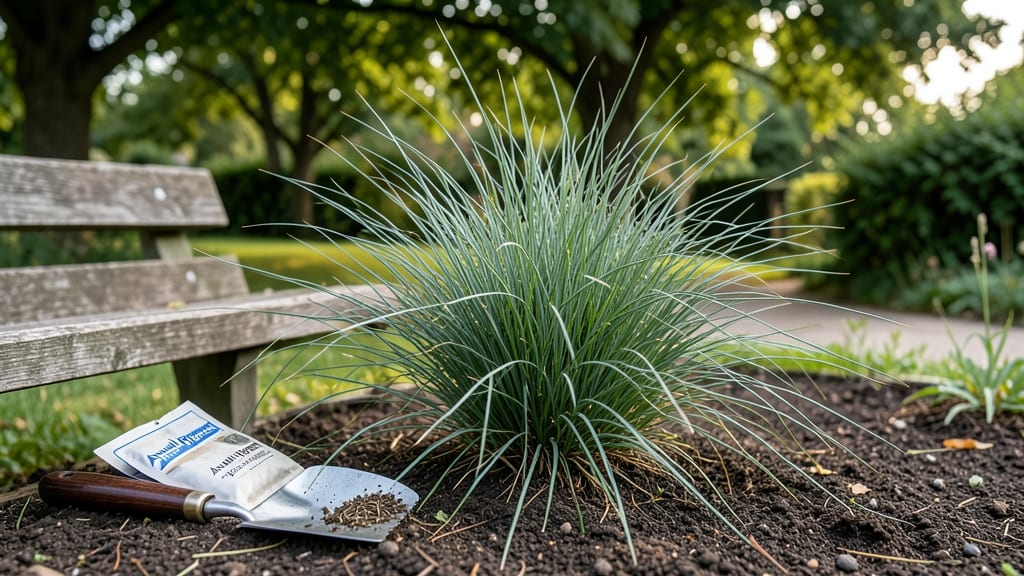
Planting annual ryegrass in North Carolina between late summer and early fall is the fastest way to establish a thick, frost-resistant cover before winter 🌱.
Get the timing wrong, though, and you risk weak root growth or wasted seed—especially in 6b-8a zones where frost arrives earlier in the Mountains than in the Coastal Plain. The difference between a lush lawn and a patchy mess often comes down to those 4-6 weeks before the first frost.
This guide breaks down the exact planting windows by region, soil prep secrets for faster germination, and how to adjust for Piedmont’s warmer microclimates versus the Mountains’ cooler nights.
You’ll learn how to read your local frost dates, the ideal soil temperature for seedling success, and why late August is the sweet spot for most of the state.
North Carolina heat zone planting timeline for annual ryegrass success
Annual ryegrass thrives in North Carolina's USDA zones 6b-8a, but the perfect planting window shifts dramatically between the Mountains, Piedmont, and Coastal regions. Planting too early risks heat stress, while waiting too late can leave your lawn vulnerable to winter erosion.
The key is timing it 4-6 weeks before first frost—but that exact window varies by heat zone.
North Carolina’s diverse climate means Mountain regions (zone 6b) have a shorter growing season than Coastal areas (zone 8a). For example, in the Asheville area, you’ll want to plant by mid-September, while in Wilmington, late October is still ideal.
Understanding these differences ensures fast root establishment and winter protection.
Here’s a heat zone-specific breakdown of when to plant annual ryegrass for maximum success, including soil prep tips and post-planting care:
For Mountain gardeners (zone 6b), focus on late August plantings to give seeds time to germinate before cool nights slow growth.
In the Piedmont (zones 7a-7b), you’ve got a slightly longer window—mid-August to late September—but avoid planting after November 1st, as roots won’t establish before frost. Coastal areas (zone 8a) can push planting later, even into mid-October, thanks to their milder winters.
If you’re aiming for spring coverage (like before warm-season grasses green up), a June-July planting works—but be prepared for heat stress. Use shade cloth or water daily in the morning to keep seeds moist. This method is riskier but can extend your lawn’s green season by a few weeks.
One critical mistake I see is planting annual ryegrass too early in the summer. When soil temps exceed 80°F (27°C), seeds can bake in the heat and fail to germinate.
Always check soil temperature with a soil thermometer—aim for 55-75°F (13-24°C) for best results. Cooler evenings in late summer are ideal for root establishment.
After planting, consistent moisture is key. Annual ryegrass needs 1-1.5 inches of water weekly until roots are 2-3 inches deep (about 4-6 weeks). In drought-prone Piedmont areas, consider drip irrigation to avoid surface evaporation. Once established, it’s drought-tolerant but won’t handle standing water—so ensure good drainage.
For winter protection, a light straw mulch (1/4 inch) helps insulate roots in Mountain zones, while Coastal areas can skip mulch entirely. In all regions, avoid fertilizing after October, as new growth
Key factors that determine the best planting month in NC
Timing your annual ryegrass planting in North Carolina depends on three critical factors: soil temperature, frost dates, and daylight hours. These elements work together to create the perfect window for seed germination and root establishment.
For example, Piedmont regions have earlier frost dates than Coastal areas, which shifts the ideal planting window by weeks.
Soil temperature is your first clue—annual ryegrass thrives when soil stays above 50°F (10°C) for consistent growth. In NC's heat zones 6b-8a, this typically means waiting until late summer or early fall.
If you plant too early, seeds may sprout but struggle in hot, dry conditions, leading to weak seedlings. Conversely, planting too late risks frost damage before roots establish.
Daylight hours also play a surprising role. Shorter days in fall trigger dormancy in many grasses, but annual ryegrass uses this period to build deep roots. Aim for planting 4-6 weeks before the first frost—this gives your grass time to germinate, grow, and harden off before winter sets in. In Mountain regions (Zone 6b), this means late August to early September, while Coastal areas (Zone 8a) can extend planting until mid-October.
- Soil Temperature: Plant when soil is 50°F+ (10°C+) for 7+ days. Use a soil thermometer to check—ideal temps are 60-70°F (15-21°C) for fastest germination.
- Frost Dates: Time planting for 4-6 weeks before first frost. Piedmont’s Nov 15 frost means aim for late Sept-Oct, while Coastal’s Dec 1 frost allows planting until mid-Nov.
- Daylight Hours: Shorter fall days help root development. Plant in late summer/early fall to leverage 10+ hours of daylight for strong early growth before dormancy.
- Microclimates: Adjust for local conditions. Coastal areas stay warmer longer, while Mountain regions face earlier frosts. Observe nearby lawns or gardens for clues.
- Seed Depth: Plant ¼ inch deep for even moisture contact. Deeper planting risks rotting, while shallower planting may lead to drought stress or bird damage.
North Carolina’s microclimates add another layer of complexity. The Piedmont region, with its warmer summers and cooler winters, often sees annual ryegrass planted in late August to early October. Meanwhile, Coastal areas can extend planting until November due to milder winters.
Even within these regions, elevation changes of just 500 feet can shift frost dates by 1-2 weeks, so always check local USDA zone maps.
Don’t overlook daylight hours—they directly impact photosynthesis and root growth. In late summer, 14+ hours of daylight fuel rapid seedling growth, while fall’s shorter days slow growth but encourage root depth.
This is why September plantings often outperform August ones: seeds get enough light to sprout but avoid midday heat stress.
For the best results, combine these factors with soil prep. Test your soil’s pH (6.0-7.0 ideal) and drainage before planting. Amend with compost if needed, then water deeply after sowing to ensure consistent moisture—the key to strong root establishment before winter.
With the right timing, your annual ryegrass will thrive as a winter cover crop and spring lawn foundation. 🌱