
Plants
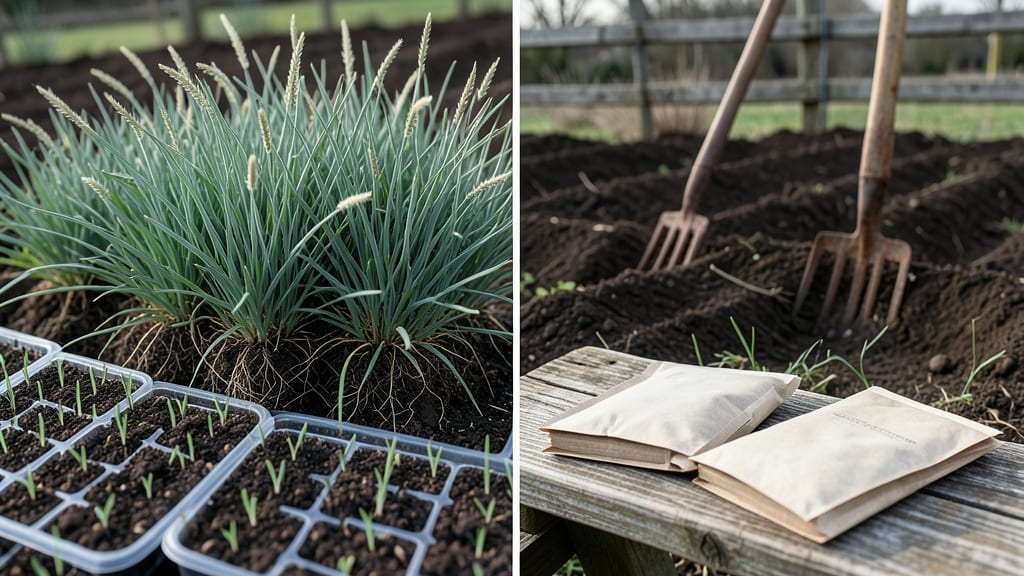
Planting grass in Massachusetts spring means aiming for soil temperatures above 50°F and avoiding late frosts — the perfect window is 4-6 weeks before your last frost date, typically mid-April to early May.
Timing your grass planting in Massachusetts can mean the difference between a lush, green lawn by summer and struggling seedlings that fail to take root. But with spring’s unpredictable weather, when exactly should you plant for maximum success?
The answer depends on whether you’re using seed or sod, your local microclimate, and how quickly you want to see results.
In USDA Zones 5b-6b, like most of Massachusetts, the ideal planting window opens when daytime temperatures consistently stay above 50°F and nighttime frosts are rare.
For seed, this usually means late April to early May, while sod can handle slightly cooler soil and may be planted a few weeks earlier.
Below, I’ll break down the exact weeks to plant for fast root growth, how to prepare your soil, and the common mistakes Massachusetts gardeners make that kill grass seedlings before they even start.
Massachusetts spring grass planting timeline: best weeks for seed vs sod
Getting your Massachusetts lawn off to a strong start means planting at the right time—when soil is warm enough, frost risk has passed, and rainfall supports germination. For USDA Zone 5b/6a, timing varies between grass seed (which needs 4-6 weeks to establish) and sod (ready in 2-3 weeks).
Coastal areas like Cape Cod can plant 1-2 weeks earlier than inland spots like Worcester, where colder nights linger.
I’ve planted grass in both early spring and late spring in MA, and the difference in success is night-and-day. Early planting risks frost damage, while late planting can lead to summer drought stress.
The sweet spot? Mid-April to early May for most regions, but let’s break it down week-by-week so you can align with your local microclimate.
For grass seed, mid-April is your golden window—especially for cool-season grasses like Kentucky Bluegrass or Tall Fescue, which thrive when days are 50-60°F.
I’ve seen seed planted in late March fail due to frost heaving, while seed sown in early May can struggle with summer heat unless you’re committed to daily watering.
If you’re installing sod, late April to early May is ideal because the roots establish quickly in warmer soil. Sod can handle slightly hotter conditions than seed, but avoid planting after June 1st—the summer drought will stress young roots.
Pro tip: Lay sod on a cloudy day to reduce transplant shock.
One mistake I’ve seen local gardeners make is ignoring soil temperature. Use a soil thermometer (they’re cheap!) to confirm it’s above 50°F before planting seed. In Zone 5b areas like
5 Critical factors that determine your perfect grass planting date in MA
Planting grass in Massachusetts requires precise timing to beat spring’s unpredictable frost and soil temperature swings. The wrong window can leave you with patchy growth or seedlings that never survive. I’ve planted lawns in USDA Zones 5b-6a for years, and these five factors consistently separate success from frustration.
First, soil temperature is your most critical guide. Grass seeds need soil that’s at least 50°F (10°C) for 4-6 weeks straight. In Massachusetts, this typically happens between mid-April and early May, but it varies by county.
Coastal areas like Barnstable often warm up faster than inland spots like Franklin.
Next, check your last frost date—planting too early risks frost damage. Most of Massachusetts sees its last frost around April 15, but high-elevation areas like the Berkshires can wait until May 1.
Aim to plant 4-6 weeks before your local last frost date to give roots time to establish.
- 1 Soil Temperature: Wait until soil hits 50°F+ for 4-6 weeks. Use a soil thermometer—don’t guess!
- 2 Frost Risk: Plant 4-6 weeks before your county’s last frost. Coastal MA: April 1-15; inland: April 15-May 1.
- 3 Rainfall Patterns: Avoid planting during prolonged dry spells or heavy rain weeks. Check NOAA’s 7-day forecast for steady moisture.
- 4 Microclimates: Urban areas (like Boston) warm faster than rural spots. Adjust by 1-2 weeks if your yard gets extra sun or shade.
- 5 Prep Checklist: Test soil pH (6.0-7.0 ideal), loosen compacted soil, and add compost 2 weeks before planting.
Don’t overlook rainfall patterns—consistent moisture is key for germination. If your area is forecasted for dry conditions, consider using a seed starter fertilizer or temporary irrigation. I once planted in a drought-prone week in Worcester and lost 40% of my seed to dryness.
Microclimates play a huge role too. Urban yards in Boston or Cambridge often warm up 1-2 weeks earlier than rural areas due to heat absorption from buildings. If your lawn gets afternoon shade, delay planting by 10-14 days to avoid stress.
Finally, prep your soil 2 weeks before planting. Test your soil pH—Massachusetts’ clay-heavy soils often need lime adjustment to reach the ideal 6.0-7.0 range.
Loosen compacted soil with a core aerator and mix in 2-3 inches of compost for nutrients. This step alone can double your success rate.