
Plants
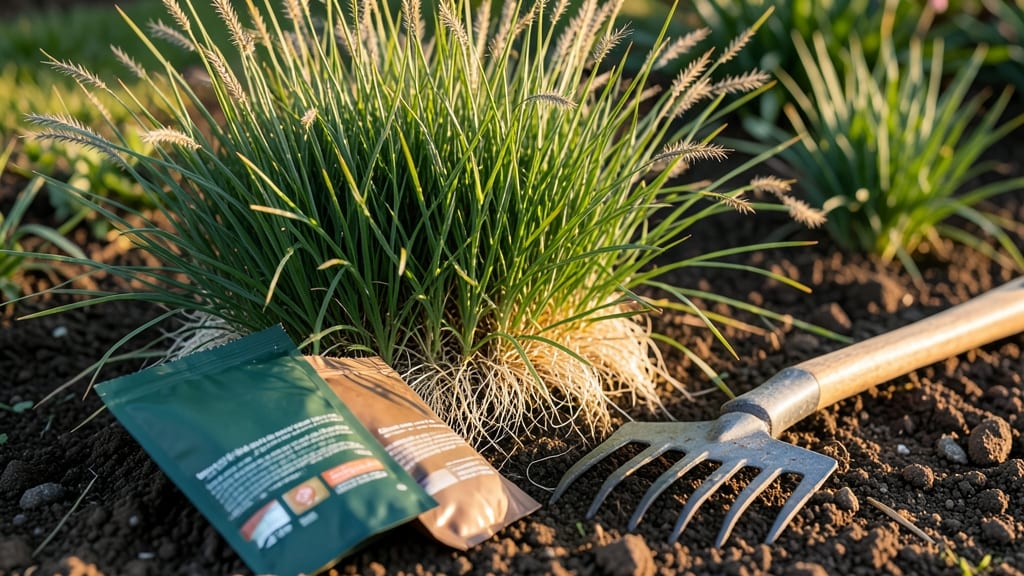
Planting grass in Illinois at the right time means the difference between a fast-growing, lush lawn and months of patchy, struggling turf.
Timing your grass planting in Illinois can mean the difference between a lush, green lawn and months of patchy, struggling growth—especially with the state’s unpredictable heat zones and seasonal shifts.
If you plant too early, frost can wipe out your seedlings, while waiting too long risks summer heat stress before roots take hold.
For USDA zones 5-6, the ideal window is early spring (March to early April) or late summer (mid-August to early September). This aligns with soil temperatures of 50-65°F, perfect for seed germination and root establishment.
Cool-season grasses like Kentucky bluegrass thrive in these conditions, while warm-season types like Bermuda need the late-summer heat to kickstart growth.
Below, I’ll break down the exact months to plant based on your region, soil prep tips to avoid common mistakes, and how to keep your grass fast-growing and resilient through Illinois’ seasonal swings.
Best planting windows for Illinois grass by heat Zone (USDA 5-6)
Illinois’ USDA heat zones 5-6 create unique challenges for grass planting, where cool-season grasses thrive in spring/fall while warm-season varieties need summer heat. Getting the timing right ensures strong root establishment before extreme weather hits.
In Zone 5a (northern IL), frost dates push planting to late April-early May, while Zone 6b (southern IL) allows earlier starts in March.
Soil temperature is your best guide—cool-season grasses like tall fescue and Kentucky bluegrass need 50-60°F soil temps, while Bermuda grass and Zoysia require 65-75°F for warm-season success. Planting outside these windows risks slow germination or dormancy.
Here’s how Illinois’ heat zones break down for optimal planting:
| Heat Zone | Cool-Season Grass Window | Warm-Season Grass Window | Soil Temp Threshold | Key Tip |
|---|---|---|---|---|
| 5a (Northern IL) | Late April–Early May | Late May–June | 50–60°F | Avoid early planting—frost risk! |
| 5b (Central IL) | Early April–Mid-May | Mid-May–Late June | 50–65°F | Test soil moisture—spring rains vary yearly. |
| 6a (Southern IL) | March–Early April | Early May–July | 55–70°F | Warm-season grass needs heat to germinate. |
| 6b (Far South IL) | February–March | April–June | 60–75°F | Late summer replanting works—avoid drought stress. |
For cool-season grasses, aim to plant 4-6 weeks before frost—this gives roots time to establish before winter dormancy. In Zone 6b, that means March planting for a September-October finish. If you miss spring, late summer (August) is your second chance, but water deeply to combat heat stress.
Warm-season grasses like Zoysia or Bermuda need consistent 75°F+ soil temps, so wait until mid-May in Zone 5a or April in Zone 6b. Planting too early risks dormancy—seeds won’t germinate until conditions warm up. Use a soil thermometer to confirm readiness.
Pro tip: Overseeding in late summer (August-September) works for cool-season grasses—the 60-70°F soil helps roots grow before winter. Just avoid nitrogen-heavy fertilizers until spring to prevent fungal growth.
Illinois’ microclimates add complexity—urban areas like Chicago stay cooler than rural Southern IL. Check your last frost date (typically April 15 north to March 15 south) and adjust planting by 2-3 weeks for safety.
For Zone 6b, you might even plant warm-season grass in April if soil temps cooperate.
Remember: Watering is critical during establishment. Cool-season grass needs 1 inch of water weekly for the first 30 days, while warm-season varieties require deep, infrequent watering to encourage deep roots. Use a rain gauge to track moisture—Illinois’ unpredictable rains can lead to over- or under-watering.
If you’re repairing a lawn, spring is ideal for cool-season grasses—they’ll fill in before summer heat sets in. For new lawns, consider sod in early spring (roots establish faster than seed) or seed in late summer for a fall green-up.
Either way, test your soil pH (ideal: 6.0-7.0) before planting to avoid nutrient deficiencies.
🌱
How to prepare Illinois soil for grass planting in spring vs. fall
Preparing your Illinois soil for grass planting is half the battle for a thick, vibrant lawn. The state’s clay-heavy soils in northern regions and sandy loams in southern areas require different approaches, especially when planting in early spring versus late fall.
Timing matters because soil temperatures and moisture levels fluctuate dramatically between these seasons, directly impacting seed germination rates and root establishment.
In spring planting (March-April), focus on warming up cold soil while avoiding late frosts. For fall planting (September-October), prioritize moisture retention and nutrient storage before winter dormancy.
Both seasons demand soil testing—Illinois lawns often need pH adjustments between 6.0-7.0—but the methods differ slightly to align with seasonal conditions.
🌱 Spring vs. Fall Soil Prep Checklist
- 🌱 Spring: Aerate 2-3 weeks before planting to break compacted clay; add compost (1-2 inches) for warmth
- 🌱 Fall: Aerate 4-6 weeks before frost to improve drainage; top-dress with slow-release fertilizer (10-0-10)
- 🌱 Both: Test soil pH (aim for 6.0-7.0); amend with lime (spring) or sulfur (fall) if needed
- 🌱 Spring: Water deeply 2x weekly before planting to warm soil; avoid overwatering after germination
- 🌱 Fall: Mulch with straw (1/4 inch) to retain moisture; reduce watering as temps drop below 50°F
Start by testing your soil’s organic matter content. Illinois soils typically have 1-3% organic matter, which is often too low for optimal grass growth. Work in 2-3 inches of compost or well-rotted manure in spring, or use peat moss in fall to improve moisture retention.
For clay-heavy soils (common in northern Illinois), mix in sand or perlite to improve drainage, while sandy soils (southern Illinois) benefit from compost or coconut coir to boost water-holding capacity.
Timing your aeration is critical. In spring, aerate when soil temperatures reach 55°F—typically mid-April in most of Illinois. For fall, aim for late August to early September to allow roots to strengthen before winter.
Use a core aerator to remove 3/4-inch soil plugs, which loosens compaction and encourages deeper root growth. Follow up with a light raking to level the surface and remove debris.
Adjusting soil pH is non-negotiable. Most Illinois lawns need lime applications in spring (especially if pH is below 6.0) to neutralize acidity. For fall planting, apply elemental sulfur if pH exceeds 7.0.
Spread amendments evenly with a broadcast spreader, then water deeply to activate them. Re-test soil 4-6 weeks after amending to confirm adjustments before planting.
Finally, choose your grass seed type based on seasonal planting. Cool-season grasses (like Kentucky bluegrass or tall fescue) thrive when planted in early spring or fall, while warm-season grasses (such as Bermuda or zoysia) prefer late spring to early summer.
For Illinois, cool-season grasses dominate, so focus on fall planting for the best results—roots establish before winter, giving you a head start in spring.