
Plants
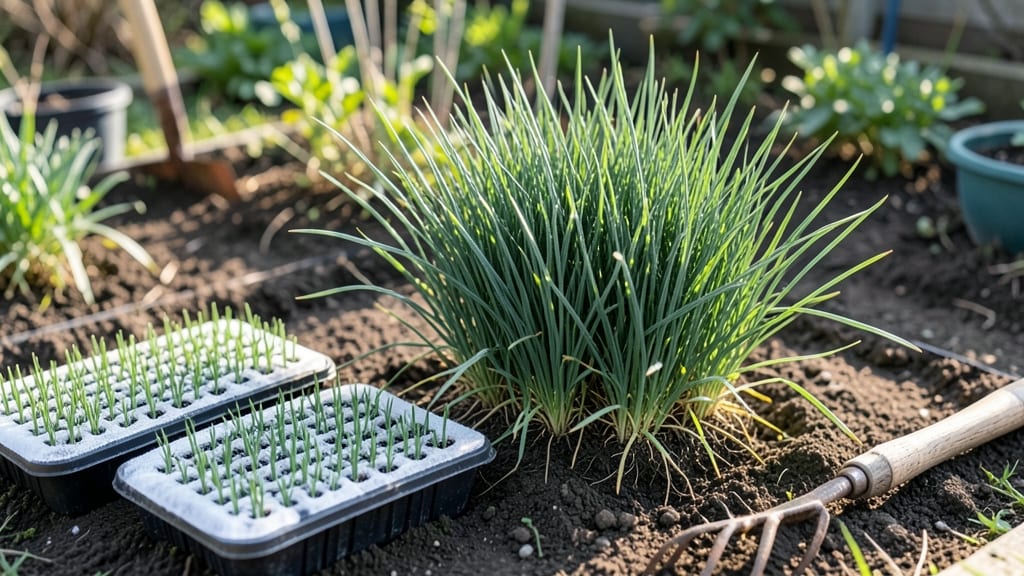
Planting fescue grass in Georgia at the right time means the difference between a lush lawn and a patchy disappointment — and fall is your best shot.
Georgia’s hot summers and unpredictable weather can make grass planting a gamble, but timing is everything when it comes to 🌱 fescue. Planting at the right moment ensures deep roots, lush growth, and a lawn that thrives year-round, not just during the cooler months.
Most gardeners in zones 7b-8b swear by early fall planting, between August and September, when soil stays warm enough for germination but temperatures drop enough to avoid drought stress.
Below, I’ll break down the exact window for your region, soil prep secrets, and why spring planting can backfire — plus the one mistake that kills more fescue lawns in Georgia than anything else.
Best fall planting window for fescue in Georgia’s climate zones
Georgia’s 7b-8a climate zones create unique challenges for fescue planting, but fall offers the perfect window for deep root establishment before winter. The key is planting 4-6 weeks before the first frost—typically between mid-August and early October—when soil temperatures drop below 80°F but stay above 50°F for optimal germination.
Fescue thrives in Georgia’s cooler months because it avoids the heat stress of summer while still having time to develop a robust root system before dormancy.
In Zone 7b (northern GA), aim for late August to mid-September, while Zone 8a (southern GA) can extend planting until early October—just beat the first frost by 6 weeks.
Soil temperatures are your best indicator—wait until they consistently stay below 80°F during the day. Use a soil thermometer (or check early morning temps) to avoid planting too early when heat can inhibit germination.
Georgia’s clay-heavy soils also benefit from pre-fall rainfall, so align planting with predicted rain patterns for moisture without over-saturation.
Here’s how Georgia’s two main climate zones differ in ideal planting windows, including soil temperature thresholds and rainfall alignment:
For Zone 7b, I recommend planting in late August to capitalize on late-summer rains while avoiding the heat spikes that can dry out seeds. In Zone 8a, you’ve got more flexibility—early September is ideal—but don’t wait past mid-October or risk frost damage before roots establish.
Georgia’s unpredictable rainfall adds another layer. Check the 7-day forecast for light, consistent rain (not storms) to avoid waterlogged soil. If drought conditions persist, irrigate lightly 2–3 times weekly until germination (about 10–14 days). Overwatering can smother seeds or cause fungal issues.
Pro tip: Test your soil’s moisture by grabbing a handful—it should crumble slightly when dry but not be sticky. If it’s too dry, water deeply the night before planting to encourage seed-to-soil contact.
For clay soils common in Georgia, amend with compost 2–3 weeks before planting to improve drainage and moisture retention.
Timing your fescue planting with Georgia’s fall microclimates—like cooler mountain regions vs. warmer coastal areas—can mean the difference between thin, patchy growth and a dense, resilient lawn. By following these zone-specific windows, you’ll give your fescue the best shot at deep roots and year-round vigor.
Once planted, avoid heavy foot traffic for 4–6 weeks to let roots establish. In Zone 7b, expect first frost by mid-November, while Zone 8a may see frost as late as early December. This gives fescue 6–8 weeks of root growth before winter dormancy—critical for spring bounce-back.
🌱
How to prepare Georgia soil for fescue planting in fall
Georgia’s clay-heavy soils and naturally acidic conditions can challenge fescue growth, but with the right prep, your lawn will establish strong roots before winter. The key is balancing organic matter, pH levels, and drainage—especially in our humid climate.
I’ve learned that skipping soil prep often leads to poor germination or weak grass that struggles in summer heat. Let’s fix that.
Fescue thrives when soil pH sits between 6.0 and 7.0, but Georgia’s native soils often test lower. Lime applications are your best tool here, but timing matters—apply it 8-12 weeks before planting to avoid burning young roots.
For drainage, we’ll tackle that clay compaction with organic amendments that loosen the soil while feeding microbes. Trust me, your future lawn will thank you.
✅ Step-by-Step Soil Prep for Fescue
- 1 Test Your Soil – Use a pH test kit (available at garden centers) to check acidity. Georgia soils often test 5.0-5.5. Aim for 6.0-7.0 for fescue.
- 2 Amend with Lime – If pH is below 6.0, apply dolomitic lime at 50 lbs per 1,000 sq ft. Work it into the top 4-6 inches of soil 8-12 weeks before planting.
- 3 Break Up Clay – Use a broadfork or rototiller to loosen compacted clay. Add 2-3 inches of compost or aged manure to improve structure and fertility.
- 4 Add Organic Matter – Mix in peat moss or coconut coir (20% of soil volume) to retain moisture and improve drainage. This is critical in Georgia’s heavy clay.
- 5 Fertilize Lightly – Apply a slow-release fertilizer (10-10-10) at 0.5 lbs per 100 sq ft 4-6 weeks before planting. This jumpstarts root growth without overfeeding.
- 6 Level the Soil – Rake the area smooth to create a uniform seedbed. Remove rocks and debris to ensure even contact between seeds and soil.
Don’t overlook drainage—Georgia’s summer storms can drown fescue if water pools. If your yard has low spots, create gentle slopes or install French drains before planting. I’ve seen too many lawns fail because homeowners ignored this step.
A quick percolation test (dig a 12-inch hole, fill with water, and time how long it drains) will tell you if you need to improve drainage.
After prepping, let the soil settle for 2-3 weeks before planting. This gives amendments time to integrate and evens out moisture levels. I’ve found that mulching with straw (not wood chips) after planting helps retain soil moisture while keeping weeds at bay.
Just avoid piling it too thick—¼ inch max—or it’ll smother young seedlings.
Pro tip: If your soil feels sticky when wet, it’s too clay-heavy. Mix in sand or perlite (1 part to 3 parts soil) to improve aeration.
Your fescue will reward you with deep green blades and drought resistance once established. Now grab your gloves—your perfect Georgia lawn starts here! 🌱