
Plants
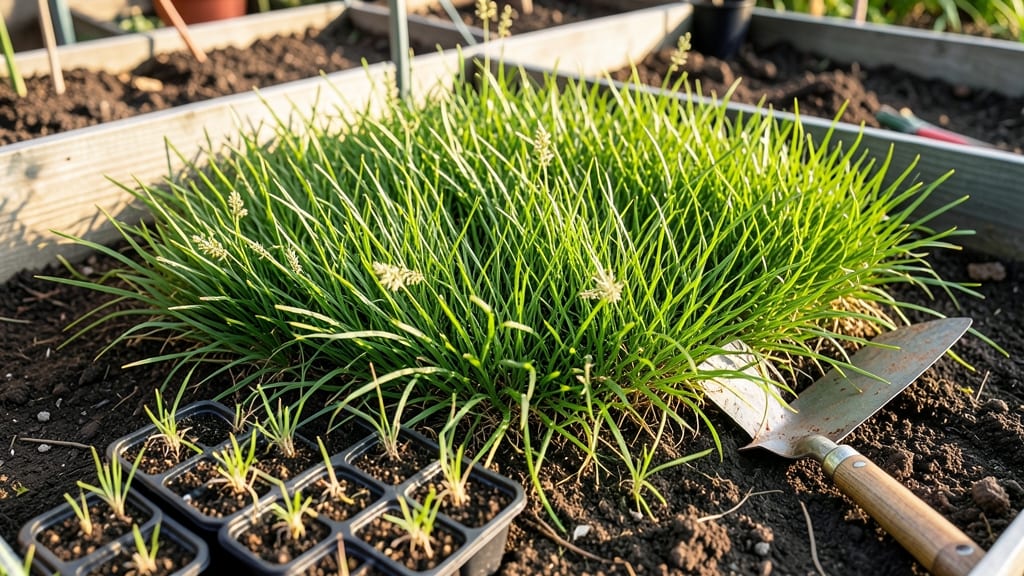
Planting Bermuda grass 🌱 in Mississippi after the last frost date—typically mid-March—sets the stage for a thick, drought-resistant lawn before summer’s peak heat.
Mississippi’s hot summers and humid climate create the perfect conditions for lush, fast-growing Bermuda grass—but timing your planting is everything to avoid weak growth or invasive weeds.
If you plant too early, cold soil slows germination, while waiting too long risks summer heat stress before roots take hold. The ideal window? When soil temps hit 65°F+, usually late March to early April, depending on your USDA zone.
Below, I break down the exact planting calendar for Mississippi’s zones, soil prep tips to boost spread, and how to outsmart weeds for a lawn that stays green through 100°F heat.
Mississippi USDA Zone planting calendar for Bermuda grass success
Mississippi's USDA Zones 7b-8a offer ideal conditions for Bermuda grass thanks to long, hot summers and well-drained soils. However, the planting window is narrow—just 6-8 weeks—to ensure vigorous establishment before summer heat arrives.
Plant too early, and you risk frost damage; too late, and your grass struggles to spread before dormancy in fall.
For Mississippi homeowners, the best time to plant Bermuda grass aligns with soil temperatures of 65°F or higher, which typically occurs in late March to early April in Zone 8a and mid-April to early May in Zone 7b. This timing maximizes germination rates and gives your lawn a head start before the peak heat of June and July.
Here’s your zone-specific planting calendar, including early spring (March-April) and late summer (August) strategies to avoid common pitfalls like weed competition or slow establishment.
If you’re planting in Zone 7b, aim for mid-April when the risk of frost has passed and soil temperatures consistently stay above 65°F. In Zone 8a, you can start as early as late March, but monitor nighttime temperatures—any dip below 50°F can stunt germination.
For late summer planting (August), focus on overseeding existing lawns. This strategy leverages cooler soil temps and reduced weed pressure, giving Bermuda grass a second chance to fill in thin spots. Use a slit seeder or sod cutter to ensure good seed-to-soil contact.
Pro tip: Test your soil’s moisture retention before planting. Sandy soils in southern Mississippi dry out quickly, while clay-heavy soils in the Delta retain too much moisture. Amend with compost or peat moss to strike the right balance for Bermuda grass roots.
Mississippi’s humidity levels can also impact germination. After planting, cover seeds with a light layer of straw mulch (¼ inch) to retain moisture and prevent crusting. Water lightly twice daily until seedlings emerge—typically in 10-14 days—then transition to deep, infrequent watering.
One common mistake in Mississippi is planting Bermuda grass too late in spring (May or June). By this time, soil temperatures exceed 80°F, causing seeds to dry out before germinating.
If you miss the spring window, late summer (August) is your next best option, but expect slower establishment before fall dormancy.
For sod installation, timing is slightly more flexible. You can lay Bermuda grass sod as late as June in Zone 8a, but prioritize early morning or late afternoon planting to avoid heat stress.
Water sod immediately after installation and keep the soil moist for the first 2-3 weeks to encourage root growth.
Remember: Bermuda grass is aggressive and drought-tolerant once established, but it needs consistent moisture during its first 60 days. Use a rain gauge to track weekly rainfall—aim for 1-1.5 inches per week during the growing season.
In drought-prone areas like the Mississippi Delta, consider installing a drip irrigation system for precision watering.
5 Critical factors that determine the best planting time in Mississippi
Timing is everything when planting Bermuda grass in Mississippi, where USDA zones 7b-8a create ideal conditions for rapid growth—but only if you plant at the right moment. The Delta region and Gulf Coast have different microclimates, meaning what works in Jackson might not suit Biloxi.
Let’s break down the five key factors that will determine your success.
First, soil temperature is the single most critical factor. Bermuda grass seeds won’t germinate until the soil reaches 65°F or warmer. In Mississippi, this typically happens in late March to early April for most areas, but the Gulf Coast can be ready as early as mid-February.
Use a soil thermometer to confirm—planting too early in cool soil leads to weak, slow-growing grass that struggles to outcompete weeds.
- 🌡️ Soil Temperature: Wait until soil hits 65°F+ (usually late March–April). Cool soil = poor germination.
- 🌧️ Rainfall Patterns: Aim for 1 inch of rain per week post-planting. Gulf Coast gets more rain; Delta may need irrigation.
- 🗺️ Regional Microclimates: Gulf Coast (warmer) plants 2–4 weeks earlier than Delta (cooler). Check local frost dates!
- ☀️ Sunlight Exposure: Full sun (6+ hours/day) is non-negotiable. Shady spots = weak, patchy growth.
- 🌱 Weed Competition: Plant when weeds are dormant or controlled. Overlapping growth = Bermuda grass loses the battle.
Next, rainfall patterns play a huge role in Mississippi’s two distinct regions. The Gulf Coast receives more consistent rainfall, making late March to early April ideal for planting without extra irrigation. In contrast, the Delta region often needs supplemental watering to maintain 1 inch per week during establishment.
If you’re in a drier area, plan to water deeply 2–3 times per week until roots establish.
Don’t overlook regional microclimates. The Gulf Coast (e.g., Biloxi, Gulfport) warms up faster, allowing Bermuda grass to be planted as early as mid-February. Meanwhile, the Delta (e.g., Greenville, Vicksburg) may need to wait until late April to avoid frost risks.
Always check your last frost date—planting too soon can leave your grass vulnerable to cold snaps.
Full sun is another non-negotiable for Bermuda grass. This variety thrives with 6+ hours of direct sunlight daily. If your lawn has partial shade, consider shade-tolerant alternatives like Zoysia grass, as Bermuda will grow weak and sparse.
Before planting, audit your yard’s sunlight exposure—especially in morning vs. afternoon—to ensure optimal conditions.
Finally, weed competition can make or break your Bermuda grass lawn. Plant when weeds are dormant or actively controlled—typically early spring before crabgrass and other invaders take over. Use a pre-emergent herbicide 2–3 weeks before planting to give your Bermuda grass a fighting chance.
Without this step, weeds will steal nutrients and sunlight, leaving your lawn thin and patchy.