
Fertilization
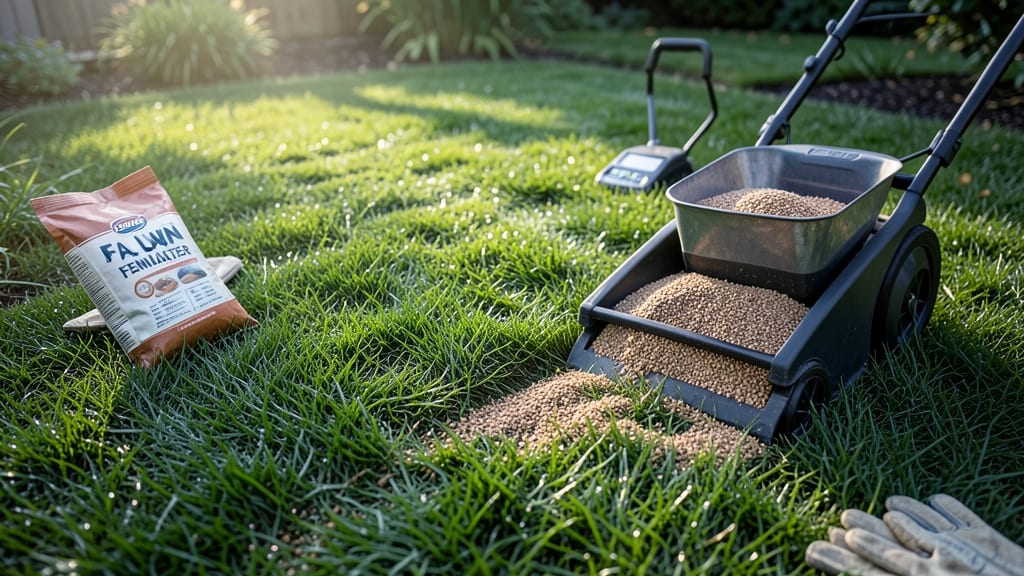
Fertilizing lawns in fall is the best way to build strong roots before winter 🌱—but doing it too early or late can backfire and leave your grass vulnerable.
Picture this: you’ve just spent the summer keeping up with mowing, and now you’re ready to give your lawn the boost it needs for next spring. But here’s the catch—fertilizing at the wrong time can stress your grass, waste money, or even encourage fungal growth.
The key is timing it right, when cool-season grasses like Kentucky bluegrass and fescue are still active but gearing up for dormancy.
In most of the U.S., including USDA Zone 6, the ideal window is between mid-September and early October. This gives your lawn 6–8 weeks of warm soil to absorb nutrients before the first frost hits.
Too early, and you risk encouraging late-season growth that won’t harden off before winter. Too late, and the fertilizer won’t have time to work its magic.
Below, I’ll break down the exact timing for your region, the right type of fertilizer to use, and how to prep your lawn so you’re ready to hit the ground running next spring. No more guesswork—just a thicker, greener lawn by summer.

Optimal fall fertilization timeline for cool-season grasses
Fall is the perfect time to give your cool-season lawn a growth boost for next spring. The key lies in understanding your specific grass type and local climate patterns. Kentucky bluegrass, tall fescue, and ryegrass all thrive with fall fertilization, but their ideal timing windows vary slightly.
Research shows that fertilizing when soil temps are between 50-60°F maximizes root development while minimizing waste.
Northern regions (USDA Zones 3-5) should aim for early September fertilization, while southern areas (Zones 6-8) can extend their window until mid-October. This regional adjustment accounts for first frost dates and ensures your grass has time to absorb nutrients before dormancy.
The goal is to fertilize 6-8 weeks before frost—this gives roots time to strengthen without encouraging late-season top growth that could be damaged by cold.
For Kentucky bluegrass, focus on the late August to early October window when soil temperatures consistently stay between 50-60°F. This timing aligns with its natural growth cycle, allowing roots to develop before winter dormancy.
In my Zone 5 garden, I've found that applying fertilizer in mid-September yields the best results—just before the first hard frost. The high phosphorus content (look for a 10-0-10 or 20-0-10 ratio) encourages root elongation without promoting excessive top growth.
If you have tall fescue, extend your window slightly later—aim for early September to mid-October. This grass type thrives in cooler temperatures and benefits from a slightly longer fertilization period.
I've noticed that tall fescue responds particularly well to slow-release fertilizers during this time, as they provide steady nutrition without risking runoff before winter. The 55-60°F soil temperature threshold is crucial here, as it prevents nutrient burn while still allowing active root growth.
For perennial ryegrass, which is often used as a winter overseeder, the window can be extended even later—mid-September to early November. This grass germinates quickly and benefits from a longer growing season before dormancy.
In southern climates, where first frosts arrive later, this extended window becomes especially valuable. The key is to monitor soil temperatures closely—once they drop below 50°F consistently, it's time to stop fertilizing to avoid winter damage.
One common mistake I see is fertilizing too late in the season, when grass growth slows significantly. If you apply fertilizer when soil temps are below 50°F, the nutrients won't be absorbed efficiently, and you
How to choose the right fall fertilizer for root strength
Fall is the perfect time to strengthen your lawn's roots before winter dormancy, but not all fertilizers are created equal. For cool-season grasses, you need a high-phosphorus formula with controlled nitrogen to encourage deep root development without promoting late-season top growth.
The right choice depends on your grass type, soil health, and whether you prefer organic or synthetic options.
Most fall lawn fertilizers feature a 10-0-10 or 20-0-10 NPK ratio, where phosphorus (the middle number) dominates. This ratio prioritizes root growth over leafy top growth, which is exactly what your lawn needs as temperatures drop. However, the release mechanism—whether quick-release or slow-release—can dramatically impact results.
Here’s how to decide between organic and synthetic fertilizers, along with their pros and cons for fall application:
Organic vs. Synthetic Fertilizers for Fall Lawn Care
Organic Fertilizers
- Pros:
- • Improves soil structure over time
- • Releases nutrients gradually, reducing burn risk
- • Supports microbiome health in soil
- • Environmentally friendly (low runoff risk)
- Cons:
- • Slower results (4-6 weeks to see effects)
- • Often more expensive per pound of nutrients
- • Requires larger quantities for equivalent NPK
Synthetic Fertilizers
- Pros:
- • Fast-acting (visible results in 1-2 weeks)
- • Precise nutrient ratios (easy to match NPK needs)
- • Cost-effective for immediate results
- • Compact and easy to apply (granular or liquid)
- Cons:
- • Risk of over-fertilization or burn if misapplied
- • No soil benefits beyond immediate nutrients
- • Can leach into groundwater if overused
🌱 Best for Fall: Slow-release synthetic (e.g., polymer-coated) or organic (e.g., compost-based) with high phosphorus.
For slow-release fertilizers, look for products with polymer-coated granules or sulfur-coated urea. These release nutrients over 8-12 weeks, giving your grass steady nourishment without the risk of nitrogen burnout before winter.
Brands like Scotts Turf Builder Fall Lawn Food or Milorganite (organic) are popular choices for this purpose.
If you opt for organic options, consider composted manure, bone meal (for phosphorus), or kelp meal. These not only feed your grass but also enhance soil health for future seasons.
However, organic fertilizers require more frequent applications—typically every 4-6 weeks—to match the effects of a single synthetic feeding.
Pro tip: Always water your lawn deeply after fertilizing to activate nutrients and prevent burn. For synthetic fertilizers, apply in the early morning when temperatures are cooler, and avoid fertilizing within 3 days of rain to ensure proper absorption.
With the right fertilizer and timing, your lawn will enter winter with stronger roots and bounce back greener in spring.
🌿