
How To
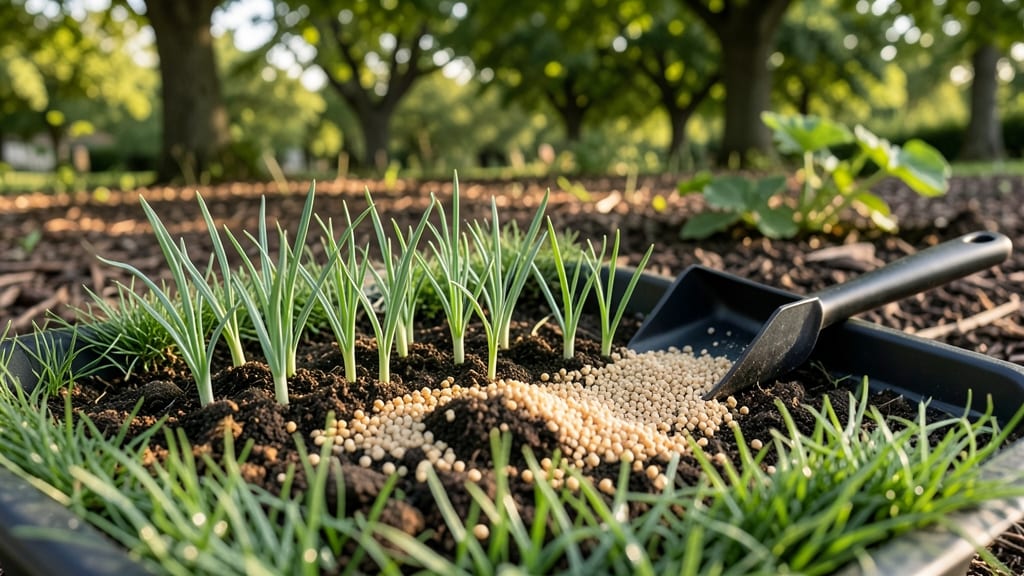
Fertilizing grass seedlings at the right time is the key to a thick, vibrant lawn—skip it too early or too late, and you’ll end up with weak roots and patchy growth.
New grass seedlings 🌱 need the right nutrients at the right time—or they’ll struggle to establish strong roots and vibrant growth. Timing your first fertilization perfectly can mean the difference between a lush lawn and patchy disappointment.
Most gardeners wait until seedlings are 2-3 weeks old and actively growing, but the best approach depends on your climate and soil quality. Too soon, and you risk burning tender roots; too late, and you miss the critical window for root development.
Below, I’ll walk you through a 4-week timeline for fertilizing grass seedlings, including when to use starter fertilizer, how to read your lawn’s signals, and which fertilizers work best for early growth.
The critical 4-Week fertilization timeline for grass seedlings
Getting your grass seedlings off to the right start means feeding them at the perfect moments—not too early, not too late. The first 4 weeks are critical for root development, and fertilizing at the wrong time can actually burn delicate seedlings or starve them of essential nutrients.
I’ve broken down the exact week-by-week fertilization schedule to ensure your new lawn thrives from day one.
Most gardeners make the mistake of fertilizing immediately after planting, but young grass seedlings don’t need heavy feeding right away. Instead, they rely on the starter nutrients in the soil and a carefully timed fertilizer boost.
The key is balancing nitrogen for growth and phosphorus for root strength—without overwhelming tender shoots.
| Week | Seedling Stage | Fertilizer Action | Nutrient Focus | Notes |
|---|---|---|---|---|
| Week 1 | Germination | None | Natural soil nutrients | Focus on watering and light. |
| Week 2 | Sprouting | Starter fertilizer (optional) | Phosphorus (P) | Use low-nitrogen starter fertilizer if soil is poor. |
| Week 3 | Root establishment | Light nitrogen boost | Nitrogen (N) + Phosphorus (P) | Apply half-strength balanced fertilizer. |
| Week 4 | Early growth | Full-strength fertilizer | High nitrogen (N) | Switch to lawn-specific fertilizer. |
In Week 1, your grass seeds are just germinating, and they don’t need any fertilizer at all. This is the time to focus on keeping the soil moist but not soggy—overwatering can suffocate tiny roots before they even form.
If your soil is poor-quality, you might consider a light compost top-dressing instead of fertilizer to avoid shocking the seeds.
By Week 2, you’ll start seeing those first tiny green sprouts emerge. This is when a starter fertilizer with a higher phosphorus content (like a 5-10-5 blend) can give them a gentle boost.
However, if your soil is already rich in organic matter, you can skip this step entirely—over-fertilizing now can lead to burned seedlings or stunted growth.
When you reach Week 3, your seedlings should have 1-2 inches of growth and visible roots spreading into the soil. This is the perfect time for a light nitrogen application to encourage above-ground growth.
Use a half-strength solution of a balanced fertilizer (like 10-10-10) to avoid overwhelming them. Water thoroughly after application to help nutrients penetrate the soil.
By Week 4, your grass should be looking more like a dense, uniform lawn rather than scattered sprouts. Now is the time to switch to a high-nitrogen fertilizer (like 20-5-10) to promote leafy growth and strengthen the turf.
This is also when you can start lightly mowing if your grass has reached about 3 inches tall, keeping the blades sharp to avoid tearing seedlings.
One common mistake I see is fertilizing too early with a heavy dose of nitrogen. Young seedlings don’t have the root systems to absorb large amounts of nutrients, which can lead to fertilizer burn and yellowing patches.
Always water before and after applying fertilizer to dilute it and help it reach the roots safely.
After these first 4 weeks, you can continue fertilizing every 4-6 weeks during the growing season, but always adjust based on your grass’s appearance. If it’s growing slowly or looking pale, it’s time for another boost.
If it’s growing too fast or developing thatch, cut back slightly to avoid stressing the lawn.
Pro tip: If you’re using organic fertilizers, like compost or fish emulsion, they’ll release nutrients more slowly, giving you more flexibility in timing. Synthetic fertilizers, on the other hand, work faster but require precise timing to avoid overdoing it. Always follow the package instructions for application rates.
With this 4-week timeline, your grass seedlings will have the strong roots and vibrant growth
Signs your grass seedlings need fertilizer (and when to wait)
If your grass seedlings look pale yellow or are growing slowly after 2-3 weeks, they’re likely nutrient-starved. This is your lawn’s way of signaling it needs a light feeding—but timing matters.
Too early, and you risk burning tender roots; too late, and you miss the critical root development window.
Watch for stunted growth or seedlings that appear thin and leggy. These are classic signs of nitrogen deficiency, the most common issue for new grass.
However, dark brown patches or crispy edges mean you’ve over-fertilized—a mistake I’ve made too many times! Always test your soil first to avoid this.
When to Fertilize Grass Seedlings
✅ Fertilize When...
- Seedlings are 2-3 weeks old and actively growing
- Leaves show pale yellow or stunted growth
- Soil is moist but not waterlogged
- You’ve used starter fertilizer at planting
❌ Wait If...
- Seedlings are less than 2 weeks old
- Leaves show brown or crispy edges (over-fertilized)
- Soil is dry or compacted
- Weather is extremely hot or cold
🌱 Pro Tip: Always use a low-nitrogen starter fertilizer (5-10-10) for seedlings.
For organic options, try a compost tea or fish emulsion—these release nutrients slowly and won’t burn young roots. If you prefer synthetic fertilizers, choose a slow-release formula like 10-10-10. Avoid high-nitrogen blends (like 30-0-0) until your grass is fully established.
After fertilizing, water deeply to help nutrients reach the roots. Avoid fertilizing in direct sunlight or during heatwaves, as this can cause fertilizer burn. I’ve learned this the hard way—once, I fertilized in the afternoon, and my seedlings wilted overnight!
If your seedlings are healthy and green but growing slowly, they might just need time. Wait until they’re 3-4 inches tall before applying a second feeding. Over-fertilizing now won’t help—it’ll only stress your young grass.
Remember, the goal is strong roots, not fast top growth. A little patience and the right nutrients will give you a lawn that’s thick, green, and resilient for years to come. 🌿