
Lawn
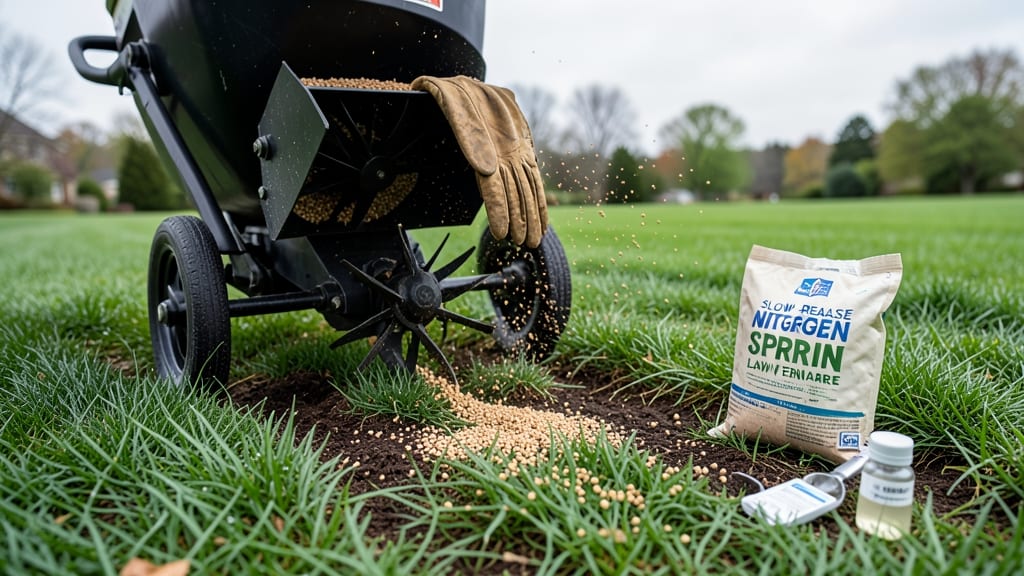
To fertilize your lawn at the right time means feeding it when it’s hungry—not when it’s already full or dormant.
That’s the difference between a thick, green carpet and a lawn that struggles to bounce back from drought or foot traffic. The best schedule depends on your grass type, climate, and even the season’s hidden triggers like soil temperature and moisture.
Cool-season grasses like fescue and Kentucky bluegrass thrive with spring and fall feedings, while warm-season types such as Bermuda and Zoysia need their boost in late spring and summer. But timing isn’t just about the calendar—it’s about reading your lawn’s signals, like color shifts or growth spurts.
In this guide, I’ll break down the exact windows for fertilization, how to adjust for your region, and what to avoid (like fertilizing before a hard frost or during drought). By the end, you’ll know not just when to fertilize, but why—so your grass stays resilient year-round.
Best times of year to fertilize lawn for optimal growth
Timing your lawn fertilization is like scheduling a workout for your grass—do it at the right moment, and you’ll see dramatic results. The best times to fertilize depend on your grass type and climate zone, but generally, spring and fall offer the most benefits.
These seasons align with your lawn’s natural growth cycles, ensuring nutrients are absorbed efficiently without stressing the plants.
Cool-season grasses like Kentucky bluegrass and fescue thrive in spring (April-May) and fall (September-October), while warm-season grasses such as Bermuda and Zoysia peak in late spring (May-June) and early summer (July-August). Skipping fertilization in winter is wise—your lawn is dormant and won’t benefit from nutrients until temperatures rise.
Before diving into seasonal schedules, test your soil’s pH and nutrient levels using a simple home kit. Most lawns need a pH between 6.0 and 7.0 for optimal nutrient uptake.
Adjusting pH before fertilizing ensures you’re not wasting money on products your grass can’t absorb. For example, acidic soil (pH < 6.0) may need lime, while alkaline soil (pH > 7.0) could benefit from sulfur.
Spring fertilization kickstarts your lawn’s growth after winter dormancy. Aim to apply high-nitrogen fertilizer in April or early May when soil temperatures reach 50-65°F. This timing helps grass recover from cold stress and promotes thick, green blades.
Water your lawn deeply before and after applying fertilizer to help nutrients penetrate the soil and avoid burning the grass.
For warm-season grasses, shift your focus to late spring or early summer. These grasses enter their peak growth phase when temperatures rise above 70°F. Use a balanced fertilizer with equal parts nitrogen, phosphorus, and potassium to support root development and overall health.
Avoid fertilizing during extreme heat or drought—your grass won’t absorb nutrients effectively, and you risk damaging the roots.
Fall is the second-best time to fertilize, especially for cool-season grasses. Apply fertilizer 6-8 weeks before the first frost (typically September-October) to strengthen roots and prepare your lawn for winter.
Choose a low-nitrogen, high-potassium fertilizer to boost disease resistance and cold hardiness. This late-season feeding ensures your grass stays vibrant until spring.
Summer fertilization is tricky for cool-season grasses, as they often go dormant in heat. If you must fertilize in summer, opt for a slow-release fertilizer in early July to avoid stressing the grass.
Warm-season grasses, however, can handle summer feeding—just avoid applying fertilizer during heatwaves or droughts. Always water thoroughly after fertilizing to activate the nutrients and prevent leaf burn.
Winter is a no-fertilizer zone for most lawns. Grass growth slows or stops when temperatures drop below 40°F, making fertilization ineffective. Instead, focus on light raking to remove debris and aeration if your lawn feels compacted. These tasks prep your soil for spring without overworking dormant grass.
Signs your lawn needs fertilizer (and when to avoid it)
Your lawn speaks volumes about its health through subtle (and not-so-subtle) visual cues. Pale green or yellowing patches are classic red flags—these often signal nitrogen deficiency, the most common nutrient shortfall in grass. Slow growth after mowing, where blades take weeks to recover, also points to nutrient depletion.
Even increased weed presence can indicate weak grass struggling to compete for resources.
Don't ignore thin or sparse grass either—this often means your lawn is starving for phosphorus or potassium, essential for root development. Brown tips on blades during dry spells might look like drought stress, but if they persist after watering, fertilization could be the solution.
These signs all suggest it's time to assess your lawn's nutritional needs.
⚠️ CALLOUT-WARNING ⚠️
⚠️ When NOT to Fertilize Your Lawn
Drought conditions: Fertilizing under 💧 water restrictions stresses grass further by promoting growth when roots can't access moisture.
Recent seeding: Wait 6-8 weeks after overseeding—new grass needs time to establish roots before nutrient shocks.
Extreme heat: Temperatures above 85°F (29°C) for prolonged periods can burn grass when fertilizers are applied.
Fungal concerns: If you've spotted mushrooms or circular brown patches, prioritize treatment over fertilization.
Timing matters just as much as the fertilizer type you choose.
For cool-season grasses like fescue or bluegrass, late summer to early fall (August-September) is prime time—this helps roots bulk up before winter dormancy. Warm-season grasses like Bermuda or Zoysia thrive with spring feeding (April-May) to capitalize on their natural growth surge.
Pay attention to growth patterns after fertilization too. If your lawn shows dark green color within 3-5 days but then burns or yellows, you've likely overdone it. The ideal response is steady, vibrant growth without leaf scorch.
Always follow the "less is more" rule—start with half the recommended dose and adjust based on your grass's reaction.
One often-overlooked sign is increased foot traffic tolerance. Healthy, well-fertilized grass recovers faster from wear, while nutrient-deficient areas show compressed or muddy spots after heavy use. This resilience test is a great way to gauge whether your lawn's getting the right nutrients at the right time.
For organic gardeners, look for earthy smells (not chemical) after watering—this indicates active microbial life in the soil, which breaks down organic matter into plant-available nutrients. Compost tea or worm castings can be excellent pre-fertilizer treatments to boost soil health before applying synthetic blends.
Remember: Soil testing is your best friend. Many lawns show deficiency symptoms but actually need pH adjustment (like lime for acidic soil) rather than extra fertilizer. Test every 2-3 years to avoid overcorrecting nutrient imbalances that can harm long-term lawn vitality. 🌱