
Fertilization
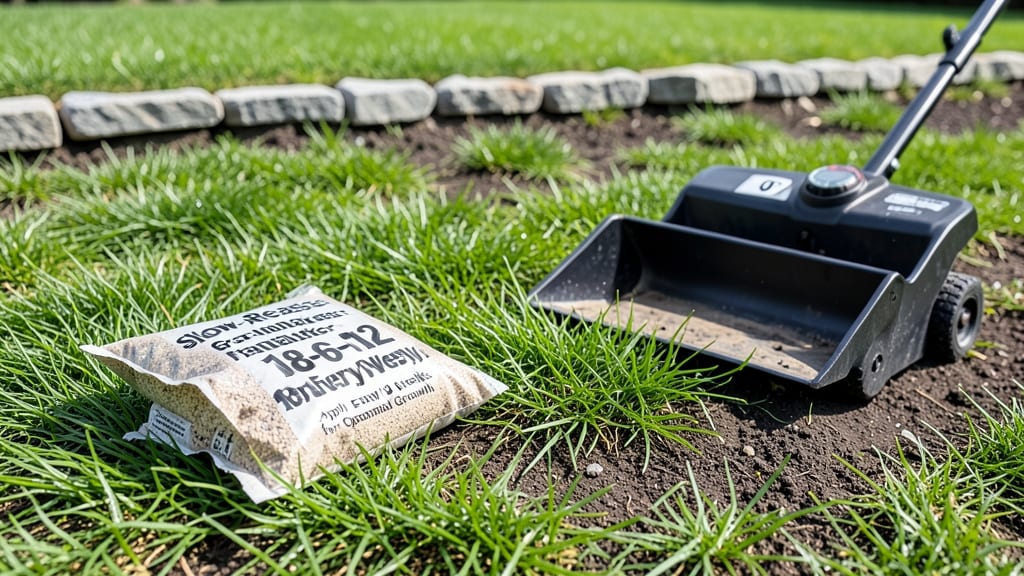
Fertilizing Bermuda grass in North Carolina at the right time means the difference between a thick, green lawn and one that struggles to recover from heat and drought.
That’s because Bermuda grass 🌱 doesn’t just need fertilizer—it needs it at the perfect moment, when the soil is warm and the grass is actively growing. Too early, and you waste money; too late, and your lawn misses its growth window entirely.
North Carolina’s Heat Zones 7-9 create a unique schedule, with the best time to fertilize falling in early spring and late summer. But even then, local rainfall and soil conditions can shift the timing by weeks.
Here’s the exact month-by-month breakdown you need, plus how to choose the right fertilizer for NC’s clay-heavy soil and avoid common mistakes that leave your lawn looking patchy.
North Carolina Bermuda grass fertilization schedule by heat Zone (2024 guide)
Bermuda grass thrives in North Carolina’s Heat Zones 7-9, but getting your fertilization timing right is key to avoiding burned patches or weak growth.
Unlike cool-season grasses, Bermuda needs high-nitrogen feedings during active growth—but the exact schedule shifts depending on whether you're in the coastal zone (7), Piedmont (8), or mountains (9).
The wrong timing can waste money or stress your lawn, especially during NC’s summer heat spikes or fall root-strengthening periods.
I’ve broken down the month-by-month fertilization windows for each zone, including when to switch from quick-release (for fast greening) to slow-release (for steady growth). This schedule aligns with Bermuda’s natural dormancy cycles and NC’s last frost dates (March 15 in Zone 7, February 15 in Zone 9).
Pro tip: Always fertilize in the early morning to reduce leaf burn from heat.
Why this matters: Bermuda grass in NC goes dormant in winter but can grow aggressively in summer. Over-fertilizing in July’s 90°F+ heat causes fertilizer burn, while skipping September’s root-strengthening feed weakens winter survival. Let’s dive into the zone-specific timeline to keep your lawn thick and green year-round.
🌱 Visual Guide: Use this comparison table to match your Heat Zone to the exact fertilization windows, fertilizer types, and application tips for peak Bermuda grass performance in NC.
| Heat Zone | Fertilization Window | Fertilizer Type | Key Notes |
|---|---|---|---|
| 7 (Coastal) |
Mar 15–Apr 15
May 1–Jun 15
Aug 15–Sep 15
|
Slow-Release (16-4-8)
Quick-Release (13-0-4)
Slow-Release (10-0-10)
|
High humidity—watch for fungus
Light feedings to avoid burn
Strengthen roots before rain
|
| 8 (Piedmont) |
Mar 1–Apr 15
May 15–Jun 30
Aug 1–Sep 15
|
Slow-Release (16-4-8)
Quick-Release (13-0-4)
Slow-Release (12-0-12)
|
Soil warms faster—fertilize early
Reduce watering post-feed
Avoid late-Sept feeds (cold risk)
|
| 9 (Mountains) |
Mar 15–May 1
Jun 1–Jul 15
Aug 15–Sep 1
|
Slow-Release (14-4-14)
Quick-Release (12-0-4)
Slow-Release (10-0-10)
|
Cooler soil—delay until 65°F
Light feeds only (high elevation)
Early dormancy—stop by Oct 1
|
For Heat Zone 7 (coastal), Bermuda grass wakes up earliest—start fertilizing by March 15 with a slow-release 16-4-8 blend to kickstart growth. The humidity here demands caution: quick-release fertilizers in May can cause fungal issues if not watered properly.
In Zone 8 (Piedmont), soil warms faster, so shift to quick-release by May 15 to combat summer thinning, but **reduce applications by July
Signs your Bermuda grass needs fertilizer (and when to skip it)
Your Bermuda grass in North Carolina may be sending you visual SOS signals—but not all yellow patches mean it’s time to fertilize. Nutrient deficiencies like nitrogen starvation often mimic drought stress or foot traffic damage.
Learning to distinguish between these issues saves money and prevents over-fertilization, which can harm your lawn during summer heat spikes or winter dormancy.
Start by examining the pattern of discoloration. Uniform yellowing across large areas typically signals a nitrogen deficiency, while patchy brown spots often point to drought stress or fungal issues.
If the grass recovers quickly after watering, it’s likely thirsty—not hungry. Slow recovery after mowing or heavy foot traffic, however, often means your grass needs a nutrient boost.
Another key indicator is blade thickness and growth rate. Healthy Bermuda grass grows aggressively in NC’s Heat Zones 7-9, with blades that feel firm and resilient.
Thin, weak blades or stunted growth after 60°F soil temperatures (usually March-April) suggest it’s time to fertilize. Root depth also matters—dig a small section to check roots. If they’re shallow or white (not deep green), your grass is nutrient-starved.
⚠️ When to SKIP Fertilizing Bermuda Grass in NC
- Summer heat spikes (June-August): Temperatures above 90°F stress roots—fertilizer burns grass. Wait until early fall (September) for recovery.
- Winter dormancy (October-February): Bermuda grass goes dormant. Fertilizing now risks winterkill or wasted nutrients.
- After overseeding (late summer/fall): New seeds need 2-3 weeks to establish before feeding.
- Heavy rainfall or flooding: Excess water leaches nutrients—wait 7-10 days post-flood to test soil.
If you’re unsure whether to fertilize, perform a simple soil test (available at NC Cooperative Extension offices). pH levels below 6.0 or above 7.5 can lock out nutrients, making fertilization ineffective.
Adjust pH first—lime raises it, sulfur lowers it—before adding fertilizer. Organic matter content matters too; aim for 3-5% organic matter to support Bermuda’s aggressive growth.
Timing matters just as much as the fertilizer type. In NC’s spring (March-April), apply a high-nitrogen (16-4-8) slow-release fertilizer when soil temps hit 65°F.
In fall (September), switch to a balanced (10-10-10) formula to strengthen roots before winter. Avoid fertilizing in late summer—the heat forces grass to grow rapidly, weakening it before dormancy.
Pro tip: Mow high (1-1.5 inches) before fertilizing to reduce stress. Water deeply (1-1.5 inches) 24 hours before and after applying fertilizer to help roots absorb nutrients. If your grass is thin but green, it may need overseeding or aeration instead of fertilizer.
Always follow the label rates—more isn’t better for Bermuda grass!