
Fertilization
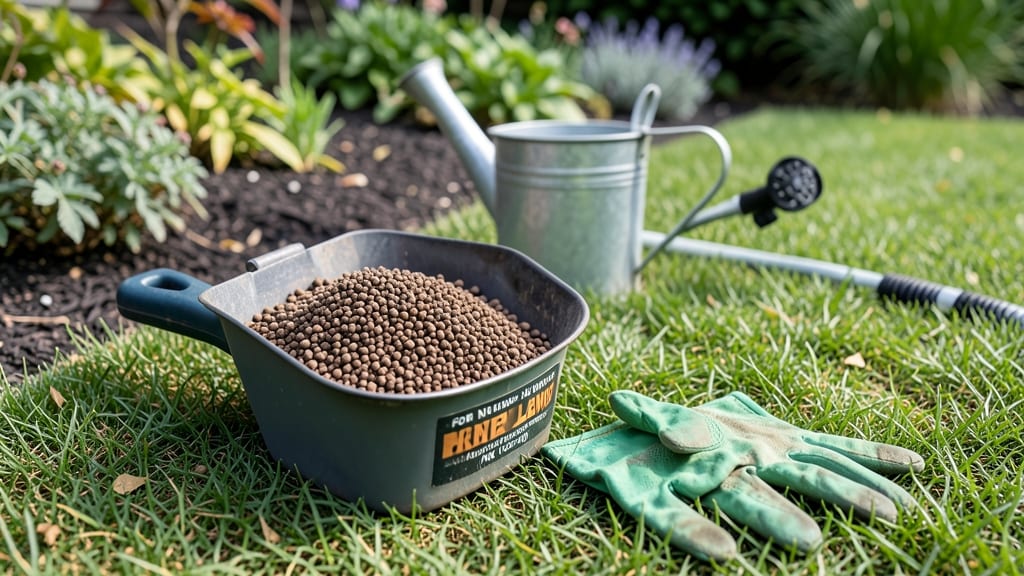
Fertilizing a new lawn at the wrong time can leave your 🌱 struggling or even kill young grass before it takes root.
Picture this: you’ve just seeded your lawn with care, watered it daily, and now you’re ready to give it that extra boost. But if you fertilize too early, the nutrients burn tender roots.
Too late, and you miss the critical window for fast, deep growth. The key is timing it just right—when the grass is ready to soak up nutrients without shock.
Most lawns benefit from the first fertilization about 4-6 weeks after seeding, once the grass is 3-4 inches tall and actively growing. This timing varies by grass type and climate, but the goal is always the same: strong roots before summer heat or winter dormancy sets in.
In this guide, I’ll walk you through the exact windows for fertilizing—whether you’re in spring or fall—and how to avoid common mistakes that waste money and stunt growth. By the end, you’ll know when to feed your lawn for a thick, vibrant result.
Best fertilization schedule for new lawns by season and grass type
Timing your new lawn fertilization correctly is the difference between a lush carpet of grass and a patchy, struggling yard. The right schedule depends on your grass type—whether it’s cool-season (like Kentucky Bluegrass) or warm-season (like Bermuda)—and your climate zone.
Get it wrong, and you risk burning tender seedlings or wasting fertilizer on dormant grass. Let’s break down the season-by-season plan for both types.
For cool-season grasses, the ideal fertilization window starts in early spring (March-April) and peaks again in fall (August-September). These grasses grow best when temperatures are mild, so fertilizing in summer heat can stress them.
Meanwhile, warm-season grasses thrive in late spring through summer, with their growth slowing in fall. Their first fertilization should happen after the last frost, around May-June.
Your climate zone shifts these timelines slightly. In USDA Zones 5-7, cool-season grasses like Tall Fescue or Perennial Ryegrass need 4-5 feedings per year, while warm-season grasses like Zoysia or Centipede thrive with 3-4 feedings.
In warmer zones (8+), warm-season grasses may need 6-8 weeks of growth before their first feeding to avoid stress.
If you seeded your lawn in spring, your first fertilization should happen 4-6 weeks after germination, once the grass reaches 3-4 inches tall. Use a starter fertilizer with high phosphorus (e.g., 5-10-10) to boost root development.
Skip nitrogen-heavy fertilizers at this stage—they can burn tender seedlings. For fall-seeded lawns, delay fertilization until early spring to avoid winter stress.
Summer fertilization is tricky. For cool-season grasses, high temperatures mean it’s time to skip feeding entirely. Instead, focus on watering deeply (1-1.5 inches per week) to keep roots cool.
Warm-season grasses, however, can handle light feedings every 6-8 weeks from June through August, but always choose a slow-release formula to prevent runoff during heavy rains.
Fall is the golden window for cool-season grasses. Apply 50% of your annual nitrogen in late August or September to strengthen roots before winter. Warm-season grasses, meanwhile, should get their final feeding of the year in early fall (around October) to prepare for dormancy.
This timing helps grass recover faster in spring and reduces winterkill risk.
Winter fertilization is a no-go for most regions. Grass goes dormant in cold months, so nutrients won’t absorb. Instead, focus on light raking to remove debris and aerating compacted soil in early spring.
Exceptions exist in mild climates (Zones 9-11), where warm-season grasses might tolerate a light feeding in December, but this is rare.
Pro tip: Always test your soil before fertilizing. A pH below 6.0 or high phosphorus levels can make fertilization ineffective. Adjust your NPK ratio based on results—new lawns need more phosphorus (P) for roots, while established lawns benefit from nitrogen (N) for
Signs your new lawn needs fertilizer (and when to wait)
Your new lawn is finally established, and you’re eager to see that vibrant green carpet take shape—but when is the right time to fertilize? Over-fertilizing too early can burn tender grass roots, while waiting too long means missed growth opportunities.
The key lies in observing visual and tactile cues from your lawn itself.
Start by checking the color and density of your grass blades. Healthy new lawns should display a uniform green hue with no visible soil between blades. If you notice pale yellow patches or sparse coverage, these are clear signals your grass is nutrient-deficient and ready for a light feeding.
Another critical sign is growth rate. If your lawn grows less than 1 inch per week during peak season, it’s likely starving for nutrients. Run your hand over the blades—soft, thin grass needs fertilizer, while stiff, upright blades suggest it’s thriving without extra nutrients yet.
⚠️ WARNING: Common Mistakes to Avoid
❌ Fertilizing too soon after seeding (wait 4-6 weeks for roots to establish). ❌ Skipping soil tests—pH imbalances (below 6.0 or above 7.5) waste fertilizer. ❌ Using high-nitrogen blends on new grass (opt for 5-10-10 starter fertilizer instead).
⚠️ Pro Tip: If your lawn shows moss or weeds, address these first—fertilizer won’t help until the competition is controlled.
Soil tests are your best friend here.
A DIY test kit (available at garden centers) can reveal if your soil lacks phosphorus (P) or potassium (K), which are essential for root development in new lawns. Low phosphorus (below 20 ppm) is a red flag—this nutrient is crucial for early root growth.
Timing matters just as much as the signs. Never fertilize in extreme heat (above 85°F) or during drought—this causes fertilizer burn. Instead, aim for early morning or evening in spring or fall when temperatures are mild.
For cool-season grasses like Kentucky Bluegrass, fertilize in early spring (March-April) and fall (September-October).
If your lawn is less than 3 months old, hold off on heavy feeding. Focus on light applications of starter fertilizer (like 10-20-10) to encourage root systems without overwhelming young plants. Overfeeding now can lead to thatch buildup or even fungal diseases like brown patch.
Watch for new growth spikes after fertilizing—this is your lawn’s way of telling you it’s thriving. If you see dark green blades within 7-14 days, you’ve nailed the timing. Adjust future feedings based on these responses, and always water deeply after applying to activate nutrients.