
Lawn
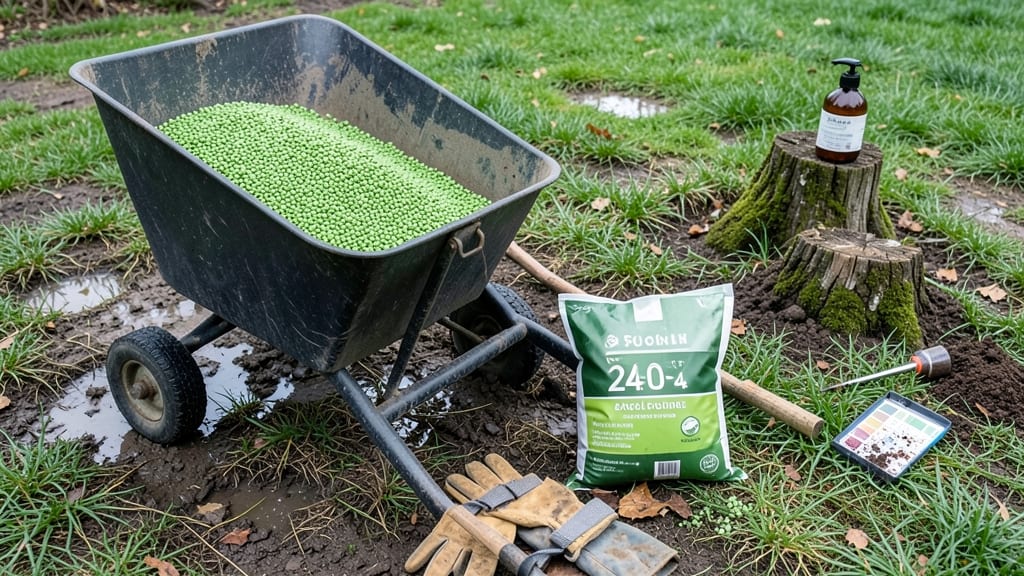
Fertilizing your lawn in the spring at the right time is the key to a vibrant green carpet all season long—miss the window, and you’ll end up with patchy, weak grass fighting to recover.
Timing your spring lawn fertilization perfectly can mean the difference between a lush, green carpet and a patchy, struggling yard—here’s how to nail it based on your climate zone.
Most lawns need their first feeding when soil temperatures hit 55°F and grass shows new growth, usually in early to mid-spring (March–April in Zone 6a). But whether you’re in the chilly Midwest or the warmer Southeast, the rules shift.
Below, I’ll break down the exact timing for your region, how to prep your lawn for fertilization, and the 5 signs it’s ready—so you can skip the guesswork and get that thick, healthy turf growing.

Spring lawn fertilization timeline by U.s. climate zones
Getting your lawn fertilization timing right in spring is like catching a wave—too early or too late, and you’ll miss the sweet spot for lush, vibrant growth. Since the U.S. spans three major climate zones (Northern, Southern, and Transition), your grass type and soil temperature dictate the perfect window.
Cool-season grasses like Kentucky Bluegrass and Fescue need early spring feeding, while warm-season grasses like Bermuda and Zoysia wait until late spring. Let’s break it down by zone so you can fertilize with confidence.
Your climate zone and grass type are the two biggest factors in timing. Northern regions (Zones 3-5) often fertilize in March or early April, while Southern zones (Zones 8-10) wait until April or May.
Transition zones (Zones 6-7) fall somewhere in between, but soil temperature is the real game-changer. Always aim for 55-65°F soil temps—this ensures roots are active and ready to absorb nutrients. Skip fertilizing if the ground is still frozen or overly wet.
Avoid the common mistake of fertilizing too early—this can burn tender grass waking from dormancy. Instead, wait until you see 30-50% new growth after mowing. For cool-season grasses, this usually happens in late March to April, while warm-season grasses may not be ready until May or June.
Pro tip: Use a soil thermometer to check temperatures at a 4-inch depth before applying fertilizer.
| Climate Zone | Grass Type | Ideal Fertilization Window | Soil Temp Threshold | Key Trigger |
|---|---|---|---|---|
| Northern (Zones 3-5) | Cool-season (Fescue, Bluegrass) | Late March - Early April | 55-65°F | 30-50% new growth after mowing |
| Transition (Zones 6-7) | Cool-season (Tall Fescue) or Warm-season (Zoysia) | Early April - Mid-April | 60-68°F | Soil thawed + consistent rainfall |
| Southern (Zones 8-10) | Warm-season (Bermuda, St. Augustine) | Late April - May | 70-75°F | Grass turning green + active growth |
| All Zones | Any | Avoid fertilizing if: | Soil temp <50°F | Ground is frozen or waterlogged |
For Northern climates (think Midwest or Northeast), your first fertilization should happen as soon as the snow melts and soil warms to 55°F. This is typically late March to early April. Use a high-nitrogen fertilizer (like 24-0-5) to jumpstart growth.
Water deeply after applying to help nutrients penetrate the soil. If you’re in a Transition Zone (like Virginia or Missouri), wait until early April when soil hits 60°F—this gives cool-season grasses a head start before summer heat arrives.
Southern gardeners have a different rhythm. Warm-season grasses like Bermuda and St. Augustine won’t respond to spring fertilizer until soil temps reach 70-75°F, usually late April or May. Fertilizing too early can stress these grasses, leading to brown patches or fungal issues.
Instead, focus on light feeding in summer to support their rapid growth phase. Pro tip: If your lawn is still dormant in May, wait—better late than burned!
Don’t overlook the importance of pre-fertilization prep. Before applying any fertilizer, mow your lawn to a height of 2.5-3 inches and remove thatch buildup. Aerate compacted soil in Northern zones to improve nutrient absorption.
For Southern lawns, a light dethatching in early spring can prevent smothering new growth. Always water your lawn 24 hours before and after fertilizing to avoid root burn.
One of the biggest mistakes I see is ignoring grass type. Cool-season grasses (like Fescue) need early spring feeding to recover from winter stress, while warm-season grasses (like Zoysia) thrive on late spring/early summer fertilization.
Mixing up these timelines can lead to uneven growth or weed dominance. Always check your grass type—if you’re unsure, dig up a small patch and look at the base of the blade. Cool-season grasses have long, thin blades, while warm-season grasses are broad and coarse.
If you’re in a Transition Zone (like the Carolinas or Tennessee), pay extra attention to soil moisture. These areas can swing from freezing nights to 90°F days in a matter of weeks. Wait until you’ve had 3 consecutive days above 60°F and your lawn
5 Signs your lawn is ready for spring fertilizer (before applying)
Spring fertilization is your lawn's wake-up call, but applying too early can waste nutrients while waiting too long risks stunted growth. The key is recognizing these critical readiness signs before reaching for that fertilizer bag.
I've learned that even a 5-degree soil temperature difference can change the outcome from lush green to patchy brown.
First, check your soil temperature—it should consistently stay above 55°F (13°C) for at least a week. This warmth signals dormancy is ending and grass roots are waking up.
I use a simple soil thermometer (just $10 at garden centers) to avoid guessing. Cold soil locks out nutrients, making your fertilizer money down the drain.
- Soil Temp: 55°F+ (13°C+) for 7+ days
- Grass Growth: 1/4" new growth weekly
- Moisture: Even, damp soil 2" deep
- Weeds: No frost-killed weeds remaining
- Mowing: Grass reaches 3" height
Next, look for active grass growth—healthy lawns sprout 1/4-inch new blades weekly by spring. I test this by marking a small section with flagging tape and measuring growth after 7 days. If you see this consistent growth, your lawn's ready. Without it, fertilizer just feeds weeds instead of grass.
Moisture matters too—damp soil 2 inches deep is ideal before fertilizing. I press my finger into the ground; if it feels like a damp sponge, you're good.
Overly dry soil can burn roots when fertilizer hits, while soggy ground washes away nutrients. A light rain forecast the day after application helps activate the fertilizer properly.
Watch for weed patterns—if you still see frost-killed weeds (yellowing or crispy), wait. These indicate your lawn isn't actively growing yet. I've made the mistake of fertilizing over winter-killed weeds, only to see them dominate while my grass stayed dormant. Patience here saves you from a weed-infested lawn later.
Finally, check your mowing frequency. If you're mowing once every 7-10 days to maintain 3-inch height, your grass is growing fast enough for fertilizer. I set a calendar reminder: if I'm mowing more often than biweekly, it's time to feed.
This simple habit has kept my lawn thick and green every spring.
Remember, over-fertilizing in cool soil burns roots, while under-fertilizing too late stunts growth. The perfect window is short—usually just 4-6 weeks—so don't wait until you see weeds taking over. Timing is everything when it comes to that first spring feeding! 🌱