
Plants
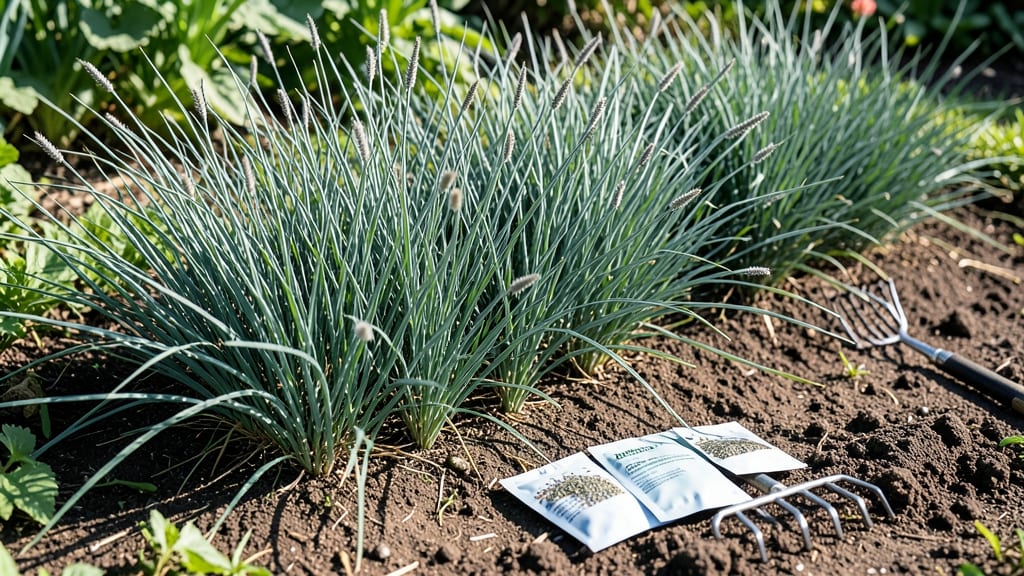
The best time to plant grass seed in Georgia is early spring or early fall—when soil temperatures hover between 60°F and 75°F and rainfall supports germination without overwhelming young roots.
Picture this: you’ve spent hours prepping the soil, choosing the right seed blend, and clearing weeds—only to watch your new lawn fizzle under Georgia’s brutal summer heat or get smothered by winter’s chill.
Timing isn’t just about the calendar; it’s about leveraging the state’s 7b-8b climate to give your grass the fighting chance it needs.
In March-April, you’ll beat the heat while soil warms enough for quick germination, but coastal areas like Savannah can start as early as February. Meanwhile, September-October offers cooler temps and steady rains, cutting down on watering hassles and weed competition.
Skip these windows, and you risk shallow roots or seed washout.
Below, I’ll break down the exact months for your region, soil prep secrets to lock in moisture, and the one mistake that turns 90% of Georgia lawns into patchy disappointments—plus how to avoid it.
Georgia’s grass planting windows by heat Zone: optimal months for seed germination
Timing your grass seed planting in Georgia isn’t just about picking a month—it’s about aligning with your USDA heat zone (8a-9a) and leveraging Georgia’s natural rainfall patterns.
In Zone 8a (cooler northern regions like Blue Ridge), early spring and fall offer the perfect balance of soil moisture and moderate temperatures for seed germination. Meanwhile, Zone 9a (warmer southern areas like Savannah) benefits from slightly later spring plantings and extended fall windows.
Most Georgia gardeners swear by early fall planting (September-October) because cooler air temperatures reduce seed desiccation while soil stays warm enough for root establishment. However, late spring (April-May) can also work if you’re prepared to water consistently during summer heat.
The key is avoiding peak summer heat, which causes seeds to dry out before they sprout.
Here’s the breakdown: Zone 8a gardeners should aim for March 15-April 15 in spring and September 1-September 30 in fall. For Zone 9a, shift to April 1-April 30 in spring and September 15-October 15 in fall. These windows ensure soil temperatures stay between 60°F-75°F, ideal for germination.
🌱
| Heat Zone | Best Planting Window | Soil Temp for Germination | Key Considerations |
|---|---|---|---|
| 8a (Northern GA) |
Spring: March 15-April 15 Fall: September 1-September 30 |
60°F-70°F |
Cooler nights Less summer drought Natural rainfall |
| 9a (Southern GA) |
Spring: April 1-April 30 Fall: September 15-October 15 |
65°F-75°F |
Hotter springs Extended fall warmth Higher humidity |
Why does this matter? Grass seeds need consistent moisture during germination, and Georgia’s spring showers (March-April) and fall rains (September-October) align perfectly with these windows. Planting outside these times often means relying on artificial irrigation, which can stress young seedlings.
For example, seeding in June or July risks seed desiccation from intense sun and heat, even with daily watering.
Pro tip: Use a soil thermometer to confirm temperatures before planting. Seeds won’t germinate well if soil is below 55°F or above 85°F. In Zone 8a, early April soil can still be too cool, while Zone 9a may see ideal temps by late March.
Adjust your timeline based on real-time conditions rather than just the calendar.
Another critical factor is seasonal rainfall. Georgia’s spring typically brings 2-3 inches of rain weekly, while fall sees 1.5-2.5 inches. These natural water sources reduce your workload during the critical 2-3 week germination period.
If you’re planting in dry springs (like 2020), supplement with light daily watering to keep soil moist but not soggy.
For shade-tolerant grasses (like Fine Fescue), you can extend planting into late spring (May) or even early fall (November), but expect slower establishment. These varieties thrive in partial shade and handle Georgia’s humid summers better than sun-loving Bermuda or Zoysia.
Always match your grass type to your microclimate—this is non-negotiable for long-term success.
One common mistake Georgia gardeners make is planting too early in February, hoping to beat the heat. But cool soil temperatures and frost risks (especially in Zone 8a) can stunt growth.
Wait until after the last frost date (typically mid-March for most of Georgia) and when daytime highs consistently stay above 60°F. Similarly, planting in late October risks early frost, which can kill tender young shoots.
To maximize success, test your soil’s pH (6.0-7.0) and nitrogen levels before planting. Georgia’s clay-heavy soils often need compost or peat moss to improve drainage. After seeding, apply a light mulch (like straw) to retain moisture and protect seeds from bird foraging.
Finally, avoid heavy foot traffic on new seed beds—wait until grass reaches 3-4 inches tall before walking on it.
✂️
How to prepare Georgia soil for grass seed: pre-planting checklist by season
Georgia’s clay-heavy soils and humid climate demand careful preparation before planting grass seed. Proper soil prep ensures faster germination and stronger roots, especially in USDA Zones 7b-8b. Whether you're planting in spring or fall, these steps will set your lawn up for success.
Start by testing your soil pH—Georgia’s native soils often lean acidic. Aim for a pH of 6.0-7.0 for most grass types. If your soil is too acidic, add lime (spring) or pelletized gypsum (fall) to adjust. For alkaline soils, sulfur or peat moss can help lower pH naturally.
- 🌱 Spring: Test pH, loosen soil, add compost, control weeds
- ☀️ Summer: Mulch to retain moisture, avoid tilling (heat stress risk)
- 🌧️ Fall: Aerate compacted clay, add slow-release fertilizer, overseed
- ❄️ Winter: Leave grass clippings as mulch, avoid foot traffic
Weed control is critical—crabgrass and nutsedge thrive in Georgia’s warm soil. Use a pre-emergent herbicide 2-4 weeks before planting, or opt for manual removal with a handscraper. For organic options, apply corn gluten meal (a natural pre-emergent) in early spring.
Loosen the top 4-6 inches of soil to improve drainage and root penetration. Georgia’s clay soils compact easily, so use a garden fork or tiller to break up hardpan. Mix in 2-3 inches of compost or aged manure to boost organic matter—this improves water retention and nutrient availability.
Moisture management is key, especially in Georgia’s hot, dry summers. Water deeply 2-3 times per week before planting to settle the soil, then maintain consistent moisture during germination.
Use a soil moisture meter to check depth—aim for 1 inch of water per week. Mulch lightly with straw to reduce evaporation and suppress weeds.
Finally, choose the right grass seed blend for your region. Tall fescue and bermudagrass handle Georgia’s heat well, while ryegrass germinates quickly in cooler months. For shady areas, fine fescue is a tough, low-maintenance option. Always check seed labels for disease resistance and drought tolerance.
With these steps, your Georgia lawn will establish deep, resilient roots—ready to handle the state’s humid summers and mild winters. Happy planting! 🌱