
Plants
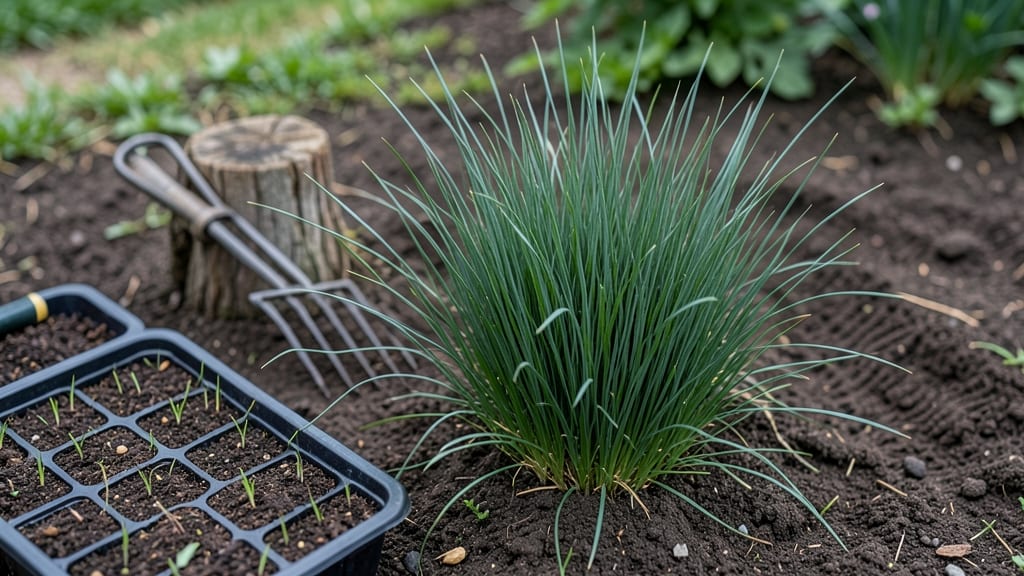
The best time to plant grass in Kansas is early spring (March–April) or fall (September–October), when soil temperatures hover between 55–65°F—the sweet spot for strong root growth.
Kansas’ unpredictable weather can make or break your lawn—planting grass at the wrong time means weak roots, patchy growth, and wasted seed. But timing it right guarantees a lush, resilient yard that survives droughts and heavy foot traffic.
Cool-season grasses like Kentucky bluegrass thrive when planted in spring or fall, while warm-season types like Bermuda prefer late spring. The key? Avoid planting when the ground is too hot or too cold, or you’ll end up with a lawn that struggles to take hold.
Below, I’ll break down the exact planting windows for your Kansas zone, soil prep tips, and how to adjust for clay-heavy soils or drought risks—so you can skip the guesswork and get a thick, green lawn every time.
Kansas grass planting timeline: spring vs fall for optimal root development
Timing your grass planting is everything in Kansas, where soil temperatures swing wildly between spring and fall. The wrong window means struggling seedlings or wasted seed—while perfect timing gives you a deep-rooted lawn that thrives even through Kansas’ droughts and heatwaves.
Let’s break down when to plant for maximum root development in your specific region.
Most Kansas gardeners swear by fall planting (September–October) because cooler air and warm soil create ideal conditions. But spring planting (March–May) works too—if you act fast before summer’s brutal heat sets in.
The key is soil temperature: seeds need 55–65°F to germinate properly, and Kansas’ eastern vs western zones can differ by weeks.
Western Kansas (USDA Zones 5b–6a) often has earlier frost and drier springs, while eastern Kansas (Zones 6a–7a) enjoys longer growing seasons. That means your planting window might shift from mid-March in Wichita to late April in Kansas City. Let’s compare your options:
For spring planting, aim to finish by mid-May—any later and your grass will struggle to establish roots before summer’s 100°F+ heat hits. Start with Tall Fescue or Kentucky Bluegrass, which handle Kansas’ clay-heavy soils better than finer grasses.
Test your soil first: pH 6.0–7.0 is ideal, and amending with compost helps loosen compacted clay.
Fall planting, on the other hand, lets grass grow roots deep before winter dormancy. Seedlings get 4–6 weeks of growth before frost, giving them a head start. September is your sweet spot—soil stays warm enough for germination but cools for root development.
In western Kansas, push planting to early September to avoid early frosts, while eastern regions can extend until mid-October.
Regardless of season, watering is critical in the first 2–3 weeks after planting. Keep soil consistently moist (1–1.5 inches per week) but avoid overwatering, which drowns seeds.
Use a light mulch (straw, not wood chips) to retain moisture and block weeds. Morning watering prevents fungal diseases that thrive in damp evening air.
Pro tip: If you’re in southeastern Kansas, where summers are hotter and wetter, fall planting is your best bet. But northwestern Kansas gardeners often prefer spring to avoid late-season droughts.
Check your local USDA zone and historical frost dates—Kansas State University’s weather station data is a goldmine for precise timing.
One mistake I see often? Planting warm-season grasses (like Bermuda) in spring—they won’t germinate until soil hits 70°F+. Stick to cool-season varieties for spring/fall and save warm-season for late May–June. Your lawn’s long-term success depends on matching the grass type to your planting window.
Ready to plant? Grab your soil thermometer, mark your frost dates, and choose your season. Whether you go spring or fall, your Kansas lawn will thank you with thick, drought-resistant growth all season long. 🌱
5 Critical factors that determine the best planting month in Kansas
Choosing the right time to plant grass in Kansas isn’t just about checking a calendar—it’s about understanding your local microclimate, soil conditions, and grass type. Kansas’ clay-heavy soils and variable rainfall mean timing can make or break your lawn’s success.
Let’s break down the five key factors that help you pick the perfect planting window for your yard.
First, rainfall patterns dictate when grass seed can germinate without drying out. Kansas sees heavy spring rains in eastern regions but drier conditions in the west.
In Wichita or Garden City, you’ll need to plant when moisture is consistent—usually late August to early October—while Topeka or Kansas City can handle early spring planting thanks to reliable rainfall.
Second, soil moisture levels must be ideal for seed-to-soil contact. Test your soil’s moisture by squeezing a handful—if it holds together but isn’t soggy, it’s ready. Clay soils, common in Kansas, can become waterlogged or compacted, so aerating before planting is a must.
Aim for 55–65°F soil temperatures for optimal germination.
- 🌧️ Rainfall Patterns: Eastern KS (spring) vs Western KS (fall)
- 💧 Soil Moisture: Test with "squeeze test"—hold but not drip
- 🌱 Weed Competition: Pre-emergent herbicide 2 weeks before seeding
- ❄️ Grass Type: Cool-season (fall) vs Warm-season (spring)
- 🏔️ Clay Soil Adjustments: Aerate + gypsum for better drainage
Weed competition is another silent killer of new grass. Weeds like crabgrass and chickweed thrive in disturbed soil, so apply a pre-emergent herbicide 2 weeks before seeding. This gives your grass a 4–6 week head start without battling weeds for nutrients. In high-weed areas, consider a post-emergent treatment after germination to keep weeds at bay.
Next, the type of grass seed you choose directly impacts planting timing. Cool-season grasses like Kentucky bluegrass and tall fescue thrive when planted in early fall (September–October), taking advantage of mild temps and consistent moisture.
Meanwhile, warm-season grasses such as Bermuda and Zoysia need spring planting (March–May) to establish before summer heat sets in.
Finally, clay-heavy soils in Kansas require special attention. These soils compact easily and drain poorly, which can suffocate grass roots. Before planting, aerate your lawn and mix in gypsum to improve drainage.
If your soil is extremely dense, consider raising beds slightly or planting on a slope to prevent water pooling.
By weighing these five factors—rainfall, soil moisture, weeds, grass type, and clay soil adjustments—you’ll pinpoint the best planting month for your Kansas lawn. The right timing ensures strong root growth, fewer weeds, and a lush, resilient yard that stands up to Kansas’ extremes. 🌱