
Plants
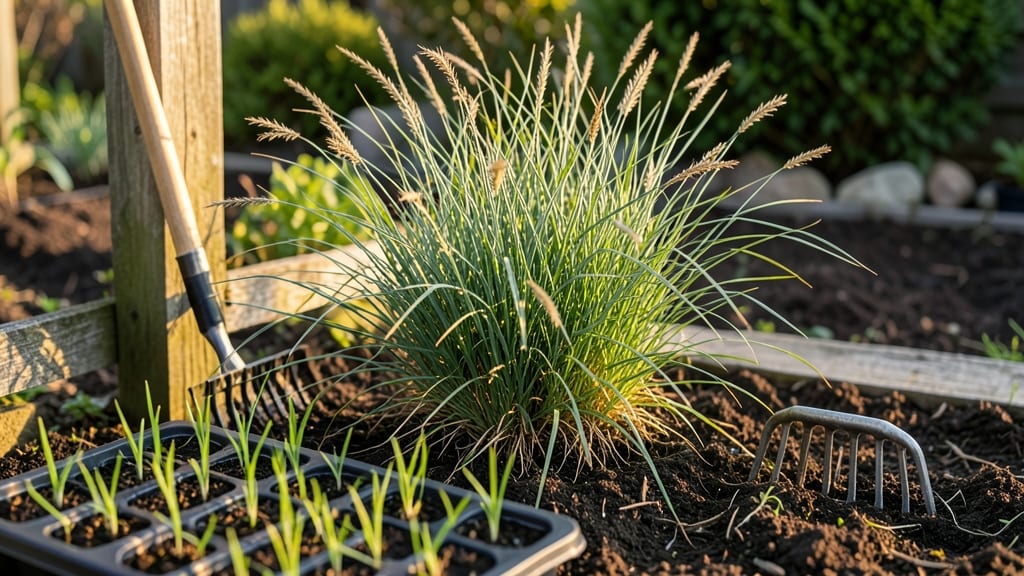
Planting grass in Kansas at the right time means the difference between a thriving lawn and one that struggles through drought or summer heat.
If you’ve ever watched your seed money disappear into the cracks of a dry spring or seen your new sod turn brown by July, you know timing is everything for 🌱 turfgrass in zones 5b-7a.
Cool-season grasses like Kentucky bluegrass need to root before the heat hits, while warm-season types like Bermuda demand soil temps above 65°F to take off.
Below, I break down the exact months to plant by region, soil prep secrets, and how to beat Kansas’ biggest lawn enemies—drought and pests—so your grass grows fast and stays green.
Kansas heat Zone map: best planting months by region
Kansas spans USDA Hardiness Zones 5b to 7a, creating distinct planting windows for grass. The northern regions (5b-6a) experience cooler springs and earlier frosts, while southern Kansas (6b-7a) enjoys longer growing seasons. Understanding these zones helps you plant grass when soil temperatures and moisture align with your variety’s needs.
For cool-season grasses like Kentucky bluegrass and tall fescue, aim for early spring (March-April) or early fall (September-October). These grasses thrive when soil temps are between 50°F and 65°F.
In contrast, warm-season grasses such as Bermuda and zoysia prefer late spring to early summer (May-June), when soil temps exceed 65°F.
Planting at the wrong time can lead to heat stress, shallow root systems, or even seed failure. For example, seeding cool-season grass in summer risks dormancy, while planting warm-season grass too early may result in poor germination due to cold soil.
Here’s a quick reference for Kansas’ planting zones and ideal months:
| USDA Zone | Best Planting Months | Grass Type | Soil Temp Threshold |
|---|---|---|---|
| 5b (Northwest KS) | March-April, September | Cool-season (Bluegrass, Fescue) | 50°F-65°F |
| 6a (Central KS) | March-May, September-October | Cool-season + Warm-season | 50°F-70°F |
| 6b-7a (South KS) | April-June, August-September | Warm-season (Bermuda, Zoysia) | 65°F+ |
In Zone 5b, where winters are harsher, focus on early spring planting (March-April) to give grass roots time to establish before summer heat. Conversely, Zone 7a in southern Kansas allows for extended fall planting (September-October), reducing summer stress.
Soil temperature is your best guide. Use a soil thermometer to confirm conditions—cool-season grasses need 50°F+ soil temps, while warm-season varieties require 65°F+. Kansas’ average last frost date is April 15, but southern regions may see frost-free conditions by March 20.
For overseeding existing lawns, aim for late summer (August) to capitalize on warm soil and cooler air. This timing helps new seeds outcompete weeds before winter dormancy sets in.
Regional microclimates matter too. Western Kansas often experiences drier springs, so prioritize deep watering (1-1.5 inches/week) during establishment. In contrast, eastern Kansas benefits from more consistent rainfall, making early spring planting slightly more forgiving.
Pro tip: Test your soil pH before planting—ideal levels for grass are 6.0-7.0. Adjust with lime (for acidic soil) or sulfur (for alkaline soil) 4-6 weeks before seeding to ensure optimal nutrient uptake.
Timing isn’t just about months—it’s about weather patterns. Monitor forecasts for heatwaves or prolonged rain, which can delay planting. For example, a dry April may push cool-season planting to May, while a wet September could extend warm-season planting into October.
Cool-season vs. warm-season grasses: Kansas-specific planting strategies
Kansas' variable climate demands precise timing when planting grass. Cool-season grasses like Kentucky bluegrass and tall fescue thrive in spring and fall, while warm-season varieties like Bermuda and zoysia need late spring to summer planting. The difference? Soil temperatures—cool-season needs 50°F+, while warm-season requires 65°F+.
Missed timing can lead to heat stress or poor root development. For example, planting Kentucky bluegrass in July means battling drought and high temperatures, while Bermuda grass planted in March struggles with cold soil.
Let’s break down the best strategies for each type to ensure your lawn takes root successfully.
Here’s a quick comparison of Kansas’ most popular grass types, including ideal planting windows, soil temperature thresholds, and moisture needs:
For cool-season grasses, focus on early spring planting (March-April) when soil temperatures consistently stay above 50°F. This gives seeds time to germinate before summer heat sets in. In Kansas City or Wichita, aim to finish planting by May 1 to avoid stress.
If you miss spring, early fall (September) is your second chance—cooler temps and consistent moisture help roots establish before winter.
Warm-season grasses like Bermuda and zoysia demand warmer soil, so wait until after the last frost (April 15) and soil temps hit 65°F+. In southern Kansas, this could be as early as late April, while north-central regions may need to wait until May.
These grasses go dormant in winter, so planting too early risks freeze damage.
Moisture is critical—especially in Kansas’ drought-prone summers. Cool-season grasses need 1-1.5 inches of water weekly during establishment, while warm-season types like Bermuda thrive with 0.75-1 inch/week once established.
Use a soil moisture meter to check depth—grass roots need 6-8 inches of moisture for deep establishment. Mulch with straw after planting to retain moisture and reduce evaporation.
Pro tip: Test your soil’s pH (6.0-7.0 ideal) before planting. Kansas soils often lack organic matter, so amend with compost or a starter fertilizer high in phosphorus (P) to boost root growth. Avoid nitrogen-heavy fertilizers early—they encourage top growth over roots, making grass vulnerable to heat stress