
Lawn
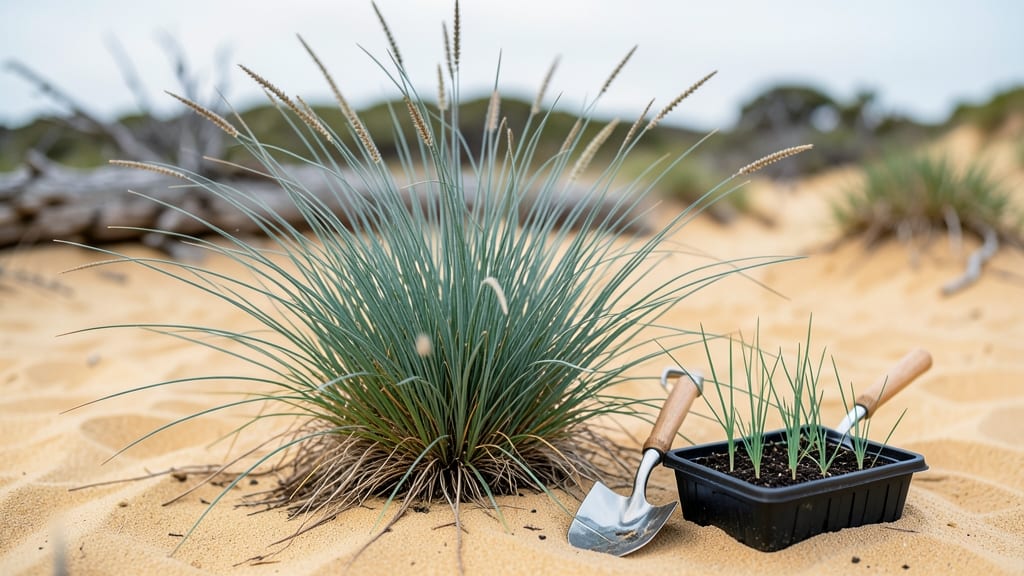
Planting dune grass transforms bare coastal sand into a living erosion barrier that actually works. 🌊 I've seen it hold back storms and stabilize dunes where nothing else could—it's not just tough, it's resilient.
The key is matching the right species to your location and preparing the sand properly, because dune grass won't thrive if you just toss seeds on top. You'll need smooth cordgrass (Spartina alterniflora) for high-energy coasts or American beach grass (Ammophila breviligulata) for milder shores, both available from coastal nurseries.
The real magic happens in the prep: rake the sand smooth, remove debris, and consider a light topsoil mix if your area gets heavy foot traffic. Planting too deep or in compacted sand kills the roots before they start.
Once established, these grasses need minimal watering—just enough to keep the sand moist for the first month. After that, they're self-sufficient, surviving salt spray, wind, and even occasional flooding. You'll notice new growth within 2-3 weeks if conditions are right, with full coverage in a season.
This works for beaches, barrier islands, and even inland sand dunes where erosion is a problem. The secret is patience—it takes a year to fully stabilize, but once it does, you've created a natural defense that lasts decades. Ready to get started?
📚 In This Guide
- What you need
- Instructions
- Tips and common mistakes
- Wrapping up and next steps
What you need
- ● Dune grass seed: 10–20 lbs per 100 sq. ft. (e.g., Ammophila breviligulata or Leymus mollis)
- ● Pro tip: 💡 Mix native varieties for resilience!
- ○ Soil amendments (optional but helpful): Compost or peat moss (5–10 lbs per 100 sq. ft.)
- ● Slow-release organic fertilizer (e.g., 10-10-10, 1 lb per 100 sq. ft.)
- ● Tools: Rake (metal or plastic, 24–36 inches wide)
- ● Garden hoe or sand rake (for loose soil)
- ● Wheelbarrow (for seed/amendments)
- ● Watering can or hose with a fine mist nozzle
- ● Timing: Plant in early spring or fall (avoid summer heat!).
- ● Weather: Light rain or misting for 1–2 weeks post-planting.
- ● Location: Full sun exposure (6+ hours daily).
- ● Soil prep: Loosen top 2–3 inches of sand (no tilling—just rake!).
- ○ Optional: Erosion control blanket (biodegradable, for steep slopes).
Step-by-Step instructions for planting dune grass
Here’s how I stabilize coastal sand and prevent erosion—tested on windy beaches where other plants fail.
🌱 Step 1: Choose the Right Dune Grass Variety and Site
Select American beach grass (Ammophila breviligulata) or European beach grass (Ammophila arenaria) for best results. These varieties thrive in salty, sandy conditions and spread aggressively to anchor dunes. Look for a site with full sun exposure (at least 6-8 hours daily) and uncompacted sand—avoid areas with heavy foot traffic or machinery.
I always test the soil first by digging a 6-inch hole. If the sand feels damp or clay-like, drainage will be poor, and roots will suffocate. Dune grass needs well-drained, loose sand to establish properly. If your site has compacted sand, aerate it with a garden fork before planting—just push the fork 12 inches deep and wiggle it side to side to break up the soil.
🪴 Step 2: Prepare the Planting Area
Clear the area of debris, weeds, and any existing vegetation. Use a rake to smooth the sand and create 1-inch-deep furrows spaced 12 inches apart. These furrows help roots establish quickly in the loose sand. If planting in a windy location, consider installing biodegradable jute netting (not included in supplies) to protect young plants from sandblasting until they’re 4-6 inches tall.
Water the furrows lightly 24 hours before planting to settle the sand. You’ll know it’s ready when the surface looks slightly damp but not soggy. Overwatering now compacts the sand, which defeats the purpose. I like to think of it as "pre-hydrating" the planting zone—just enough moisture to help roots grab hold immediately.
🌿 Step 3: Plant the Grass Plugs or Seeds
For plugs (small plants with roots), space them 12-18 inches apart in the furrows. Gently press the roots into the sand until the base of the plant sits flush with the soil surface—burying too deep can cause rot, while leaving them exposed dries them out. For seeds, scatter them ¼ inch deep in the furrows and lightly cover with sand. A handheld sander works well for even coverage.
Water immediately after planting with a gentle spray (no pressure) until the sand feels evenly moist to 2 inches deep. You’ll see the sand darken slightly where watered—this is your cue it’s soaked through. Avoid soaking the area; dune grass roots need air, not waterlogged conditions. Mulch isn’t necessary (sand drains too fast), but a thin layer of straw (optional) can shield seeds from wind until germination.
☀️ Step 4: Maintain Water and Monitor Growth
Keep the sand consistently moist (not soggy) for the first 4-6 weeks—this is critical for root establishment. Water early in the morning so moisture evaporates by afternoon, preventing fungal issues. You’ll know you’re doing it right when new growth appears in 3-4 weeks. Dune grass grows in clumps, so thin seedlings to 12 inches apart once they reach 6 inches tall to encourage stronger root systems.
Once plants hit 12 inches tall, reduce watering to once a week unless there’s no rain for 10+ days. At this stage, they’re deep-rooted enough to handle dry spells. Watch for yellowing leaves—this usually means overwatering or poor drainage. If you see this, let the sand dry out completely before watering again. Real talk: Dune grass is tough, but it will struggle if the sand stays waterlogged.
✂️ Step 5: Encourage Spread and Protect Long-Term
After the first growing season, let the grass spread naturally—it’ll form a dense mat that stabilizes sand. If you want to fill gaps, dig up small clumps from established areas and transplant them in early spring or fall. Avoid fertilizing; dune grass thrives in poor, sandy soil. In fact, adding fertilizer can make it grow too fast, weakening its erosion-fighting roots.
For windy coastlines, consider staking taller plants (like 6+ feet) with bamboo stakes during storms. The goal is to let the grass do its job—anchoring sand—without breaking under wind stress. Once established, dune grass should double in size annually, creating a living barrier against erosion. If you see bare spots after 2-3 years, it’s time to dig up a clump and replant.
Tips & tricks for planting dune grass
Here's what I learned after years of battling coastal erosion—these details make all the difference between a struggling patch and a thriving sand anchor.
Site Selection Secrets: The 6-8 hours of full sun requirement is non-negotiable, but here's the thing: I've found that planting on the windward side of dunes gives you a head start. The constant wind actually helps distribute seeds naturally once established. Also, avoid planting near active erosion zones—you want stable sand where roots can grip properly.
Soil Prep Game-Changer: When aerating with that garden fork in Step 1, don't just stab straight down. Work the fork in a zigzag pattern while wiggling it side to side to create vertical channels. This mimics natural sand drainage patterns and gives roots multiple pathways to establish. Think of it as creating a mini root highway system in your sand.
Planting Strategy: For seeds specifically, I've had the most success with a two-pass method in Step 3. First scatter seeds lightly, then go over with a rake to create ¼-inch furrows—this ensures consistent depth without burying too deeply. After covering, I give the area a light misting with a spray bottle to settle seeds before the full watering. This prevents seeds from blowing away in coastal winds.
Watering Wisdom: That 4-6 week moist-but-not-soggy window in Step 4 is tricky. I use the "sand castle test"—if you can't pack the sand into a castle shape with your hands, it's too dry. If it sticks together like wet cement, you're overwatering. For large areas, consider using a soaker hose on low setting in the morning—it delivers moisture without disturbing the sand surface.
Pro Tips for Planting Dune Grass
- Here's what I learned after years of battling coastal erosion—these details make all the difference between a struggling patch and a thriving sand anchor.
- Site Selection Secrets: The 6-8 hours of full sun requirement is non-negotiable, but here's the thing: I've found that planting on the windward side of dunes gives you a head start.
- Soil Prep Game-Changer: When aerating with that garden fork in Step 1, don't just stab straight down.
Frequently asked questions
Got questions about planting dune grass? You’re not alone—coastal erosion and sand stabilization can feel tricky! Here are some of the most common queries to help you get started with confidence.
What’s the best time of year to plant dune grass?
Plant dune grass in early spring or late summer for the best results. These seasons offer mild temperatures and moderate rainfall, giving young plants time to establish roots before harsh weather hits. Avoid planting in peak summer heat or freezing winters—both can stress seedlings.
How often should I water dune grass after planting?
Keep the soil consistently moist (not soggy!) for the first 4–6 weeks. Water daily or every other day if rainfall is scarce, then taper to 2–3 times per week once roots are established. Dune grass is drought-tolerant once mature, but young plants need steady hydration to thrive.
Can I plant dune grass on a beach where waves frequently wash up?
Yes, but timing and technique matter! Plant during low tide and use biodegradable erosion control blankets to hold seeds in place until they germinate. For high-energy areas, consider native dune grass mixes like Ammophila breviligulata (American beach grass), which are tougher against salt spray and sand movement.
What if my dune grass isn’t growing? Troubleshooting tips?
Check these common issues:
- Poor soil contact: Rake seeds lightly into sand to ensure they’re not buried too deep or exposed.
- Salt or sand buildup: Rinse seeds with fresh water before planting if they’ve been stored near salt.
- Competition: Remove weeds or invasive plants that may outcompete young grass.
- Patience: Germination can take 2–4 weeks—don’t replant too soon!
Are there alternatives to dune grass for erosion control?
For milder slopes, try sea oats or beach morning glory. For steep dunes, consider coir logs or jute netting paired with native grasses. Just ensure any alternative is salt-tolerant and approved for your local ecosystem—some plants can become invasive!
Wrapping up and next steps
Planting dune grass is your powerful first step toward stabilizing coastal sands, protecting shorelines, and creating a thriving ecosystem—all while doing your part for nature! 🌊 With the right species, preparation, and care, you’ll transform barren dunes into lush, erosion-resistant greenery that stands the test of wind and waves. Now’s the time to roll up your sleeves and get growing!
Ready to make a difference?
Start by ordering native dune grass seeds or seedlings today, then mark your calendar for the ideal planting window in your region. Check local guidelines to ensure your project aligns with coastal conservation efforts—and soon, you’ll be watching your dune grass flourish into a resilient, wind-swept masterpiece.