
Landscaping
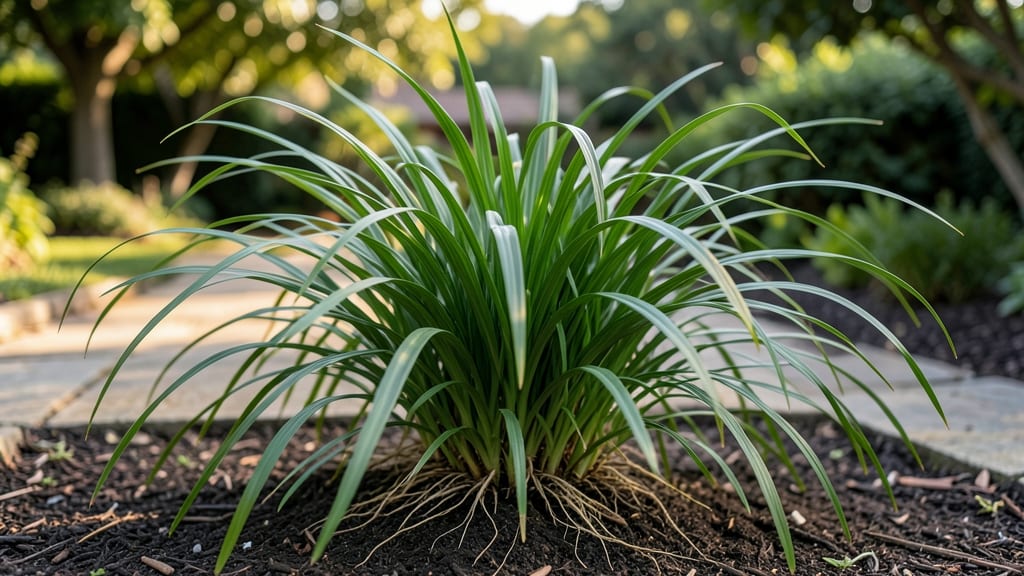
Planting lemongrass in your yard isn't just about adding a tropical touch—it’s about creating a fragrant, functional living space that works as hard as it looks. 🌿 The first time I sliced fresh lemongrass for tea while standing in my own yard, I realized how much this plant could do: privacy, aroma, and culinary convenience all in one.
This isn’t just a pretty border plant—lemongrass thrives in warm climates but can also survive in containers if you live in cooler zones. Place it near patios, kitchen gardens, or along fences where its citrusy scent can drift through the air.
It grows tall and lush, making it perfect for screening unsightly views while keeping pests at bay. You’ll end up with a yard that smells like a spa retreat and a pantry stocked with fresh herbs. The best part? It’s low-maintenance once established—just water regularly and harvest stems as needed.
The more you use it, the bushier it grows. Works beautifully in mixed borders, containers, or even as a standalone statement plant. Ready to transform your outdoor space into a fragrant, functional oasis?
📚 In This Guide
- What you need
- Instructions
- Tips and common mistakes
- Wrapping up and next steps
What you need
- ● Lemongrass plants: 10–20 healthy stalks (or 3–5 bundles of 5 stalks each for a 3-foot-wide screen). Choose Cymbopogon citratus for classic citrusy aroma.
- ● Well-draining soil: 1–2 cubic yards (mix garden soil with sand or perlite for optimal drainage—lemongrass hates soggy roots!).
- ● Compost or organic fertilizer: 5–10 lbs (balanced 10-10-10 or citrus-specific fertilizer for a nutrient boost).
- ● Mulch: 2–3 bags of pine straw or wood chips (to retain moisture and suppress weeds).
- ● Watering can or hose: With a gentle spray nozzle (lemongrass prefers consistent moisture but no waterlogging).
- ● Pruners or sharp scissors: For trimming (sterilize with rubbing alcohol to prevent disease).
- ● Gloves and long sleeves: Lemongrass can be slightly prickly—protect your hands!
- ● Erosion control fabric: Lay down landscape fabric under mulch if your soil is loose or sandy.
- ● Drip irrigation system: Automates watering (ideal for larger screens or dry climates).
- ● Citrus or herb companion plants: Basil, mint, or rosemary thrive nearby and enhance fragrance.
- ● Decorative stakes or trellis: For a polished look (lemongrass grows 6–10 feet tall—support helps!).
- ● Pest deterrent (neem oil or diatomaceous earth): Preemptive strike against aphids or fungal issues.
How to plant lemongrass for a fragrant, year-round privacy screen
This fragrant, fast-growing grass creates a lush barrier with minimal effort—here’s how to plant it right.
🌱 Step 1: Choose the Perfect Location
Lemongrass thrives in full sun (at least 6-8 hours daily) and warm climates, but it tolerates partial shade if summers are scorching. I always pick a spot near my patio or kitchen—its citrusy scent wafts beautifully when brushed against. Avoid low-lying areas where cold air settles, as lemongrass won’t survive frost.
Test your soil’s drainage by digging a 6-inch hole and filling it with water. If it drains within 1 hour, your spot is ideal. Poor drainage causes root rot, and lemongrass hates soggy feet. Amend heavy clay soil with 2-3 inches of compost to improve airflow and nutrient availability.
🌱 Step 2: Plant Lemongrass Starts at the Right Depth
Purchase 3-4 lemongrass plants (one per 18-inch spacing) from a nursery or divide mature clumps. Remove plants from their containers and gently tease apart the roots if they’re crowded. Plant each in a hole just as deep as the root ball—burying too deep suffocates the plant, while planting too shallow leaves the stem vulnerable to wind.
Space rows 2-3 feet apart for a dense screen. Water deeply before planting to help roots settle into the soil. I like to add a handful of slow-release fertilizer to the bottom of each hole—this gives lemongrass a nutrient boost without overwhelming it early on.
💧 Step 3: Water Consistently for Establishment
Keep the soil evenly moist but not waterlogged for the first 4-6 weeks. Lemongrass has shallow roots, so water 1-2 inches per week, checking the top layer with your finger. If it feels dry ½ inch down, it’s time to water. Overwatering is the fastest way to kill lemongrass—yellowing leaves signal stress.
After establishment, lemongrass becomes drought-tolerant, but it grows most lushly with 1 inch of water weekly. Mulch with 2 inches of straw or wood chips to retain moisture and suppress weeds. Avoid piling mulch against the stems—keep it 2 inches away to prevent rot.
☀️ Step 4: Prune for Density and Scent
Trim lemongrass 2-3 times per year to encourage bushier growth. Cut back ⅓ of the tallest stems in early spring and again after flowering to maintain shape. Use clean, sharp shears to avoid tearing leaves. The scent intensifies with regular pruning—harvest stems for cooking or potpourri as you go.
Watch for leggy growth (long, sparse stems) signaling too little light. If your screen starts looking sparse, thin out the oldest stems at the base in early spring. Lemongrass spreads aggressively—if it escapes its borders, dig up and divide clumps in fall or early spring before new growth begins.
⏰ Step 5: Protect in Cold Climates
Lemongrass dies back in frost but often regrows from the roots if the crown stays above soil level. In zones below 9, cut stems back to 2 inches tall in late fall, mulch heavily with 4-6 inches of straw, and cover with burlap if temperatures dip below 25°F. Remove mulch in early spring once new growth appears.
If your climate rarely drops below freezing, lemongrass may survive winters with just mulch. Test a small section first—if it greens up in spring, you’ve found your low-maintenance solution. In colder areas, treat it as an annual and replant each year for a fresh, fragrant screen.
Tips & tricks for perfect lemongrass privacy screens
Here's what nobody tells you about growing lemongrass that actually makes the difference between a patchy screen and a lush, fragrant barrier.
Sunlight Strategy: The 6-8 hours of daily sun mentioned is non-negotiable for that signature citrusy aroma. I've learned this the hard way—if your yard gets afternoon shade, plant on the north side of structures to maximize morning sun exposure when it counts most. For partial shade situations, choose the sunniest spot possible and expect slightly less vigorous growth and scent intensity.
Soil Test Hack: Before planting, do this quick test: dig your 6-inch hole and fill it with water. If it drains in less than 15 minutes, you're golden. If it takes longer, mix in sand or perlite with that 2-3 inches of compost to improve drainage. I've seen lemongrass suffer from root rot in heavy clay soils even when following all other instructions perfectly.
Planting Depth Secret: When planting at the same depth as the root ball, press the soil firmly around the base to eliminate air pockets. This simple step prevents wind rock and helps roots establish faster. I also like to water immediately after planting—this settles the soil and starts the hydration process right away, which is especially important during those first critical 4-6 weeks.
Watering Wisdom: That ½-inch dry soil check is your best friend. Use a screwdriver or your finger to test—if it feels dry at that depth, water until it's moist 2 inches down. The key is consistency: lemongrass hates moisture fluctuations. I've found that morning watering prevents fungal issues, and using a soaker hose delivers water right to the roots without wetting the leaves.
Pro Tips for Lemongrass In Yard
- Here's what nobody tells you about growing lemongrass that actually makes the difference between a patchy screen and a lush, fragrant barrier.
- Sunlight Strategy: The 6-8 hours of daily sun mentioned is non-negotiable for that signature citrusy aroma.
- Soil Test Hack: Before planting, do this quick test: dig your 6-inch hole and fill it with water.
Frequently asked questions
Got questions about growing lemongrass in your yard? You’re not alone! Here are some of the most common concerns—and their solutions—to help you cultivate a thriving, fragrant privacy screen with ease.
Can lemongrass survive in cold climates?
Lemongrass is a tropical plant, so it thrives in USDA zones 9–11. In cooler areas, grow it in containers and bring it indoors during winter or plant it near a sunny wall for extra warmth. Pro tip: Mulch heavily to protect roots from frost!
How long does it take for lemongrass to grow tall enough for a privacy screen?
With ideal conditions (full sun, well-draining soil, and regular watering), lemongrass can reach 6–10 feet tall in 6–12 months. For faster growth, plant clumps of 3–5 stalks together and fertilize monthly with a balanced, citrus-friendly blend.
How often should I water lemongrass in my yard?
Water deeply 2–3 times per week during the first year to establish roots, then taper to 1–2 times weekly once mature. Lemongrass hates soggy soil—ensure drainage is excellent to prevent root rot. Troubleshoot: Yellowing leaves? You’re likely overwatering.
What can I plant alongside lemongrass for a fragrant, low-maintenance screen?
Pair lemongrass with citrus trees, rosemary, or dwarf bamboo for a sensory-friendly hedge. Avoid competitive plants like mint or invasive grasses. For a lush backdrop, add Philodendron or Bird of Paradise—both love humidity and shade.
Why is my lemongrass turning brown at the tips?
Brown tips usually signal underwatering, fluoride buildup (from tap water), or sunburn. Switch to rainwater or distilled water, and trim damaged leaves. If the issue persists, check for pests like aphids or mites—spray with neem oil if needed.
Can I harvest lemongrass from my yard for cooking?
Harvest stalks when they’re 3–4 feet tall by cutting the outer leaves. Regrowth will be slower, so limit harvesting to 1–2 times per year unless you’re growing multiple clumps. Store in the fridge for up to 2 weeks or freeze for later use.
Wrapping up and next steps
Adding lemongrass to your yard isn’t just about beauty—it’s a fragrant, low-maintenance upgrade that brings year-round charm and practical benefits. Whether you’re seeking a natural privacy screen, a citrusy scent, or a culinary herb at your fingertips, lemongrass thrives with minimal effort and rewards you with lush, aromatic growth. 🌿✨
Ready to transform your space? Start small—plant a few stalks in a sunny spot, and watch them grow into a vibrant, fragrant haven. Your yard (and your senses) will thank you!