
Lawn
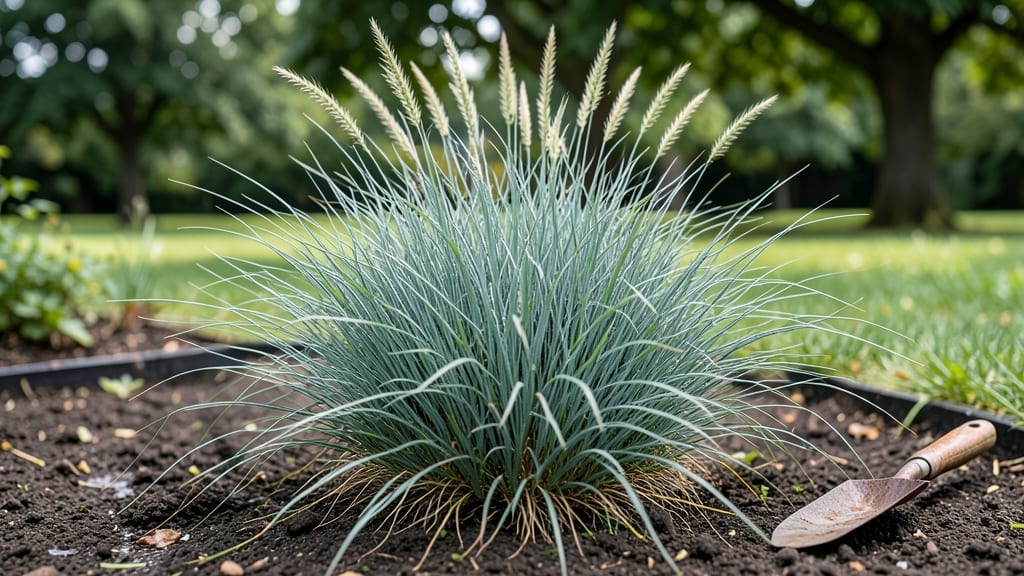
Those stubborn leaves growing in your grass aren't just unsightly—they're stealing sunlight, water, and nutrients from your lawn. 🌱 I've spent years battling this problem, and I've found the fastest way to reclaim your yard without chemicals or backbreaking work.
The culprits are usually weeds, volunteer plants, or even grass spreading into garden beds. Most people grab a weed killer first, but that can harm your lawn too. Instead, I'll show you how to identify the invaders and remove them in under an hour using tools you already own.
You'll end up with a clean, uniform lawn that looks like it belongs on a postcard. The best part? You won't need fancy equipment—just a few simple steps and a little elbow grease. Let's get started!
First, grab a pair of gardening gloves, a sharp hand trowel, and a small bucket for debris. On a dry day (when weeds are easier to pull), walk your lawn and identify the intruders.
Broadleaf weeds like dandelions and clover have distinct leaves, while grassy weeds blend right in—this is where close inspection pays off. Pull weeds when the soil is moist (early morning works best) to avoid breaking the roots.
For stubborn patches, use your trowel to dig out the entire root system. The goal is to remove everything at the soil line so nothing regrows. This method works for both small patches and larger problem areas.
After clearing the area, rake the soil smooth and reseed any thin spots with fresh grass seed. Water lightly for the first week to help the grass establish. The key is consistency—check your lawn weekly for new weeds and remove them before they spread.
This approach keeps your lawn healthy without harsh chemicals, and you'll see results in just a few days. The secret is persistence: a little time now saves hours of work later. Ready to transform your yard?
📚 In This Guide
- What you need
- Instructions
- Tips and common mistakes
- Wrapping up and next steps
What you need
- ● Leaf blower: Medium to large capacity (1000+ CFM for efficiency) – rent or borrow if you don’t own one.
- ● Heavy-duty trash bags: 30-50 gallon size (2-3 bags per session) – knot tightly to prevent leaks!.
- ● Rake or stiff-bristle leaf rake: 18-24 inches wide (for stubborn debris or thick leaf layers).
- ● Garden shears or pruners: Sharp, bypass-style (for trimming stubborn leaves near grass clumps).
- ● Gloves (garden or work gloves): Durable, cut-resistant (to protect hands from sharp grass/leaves).
- ○ Knee pads (optional but recommended): For comfort during hands-on sections.
- ● Leaf vacuum/mulcher: Attaches to blower (speeds up cleanup for large yards).
- ● Wheelbarrow or tarp: For hauling leaves to compost or disposal.
- ● String trimmer (weed whacker): With a blade attachment (for overgrown grass-leaf hybrids).
- ● Pre-emergent herbicide (spot treatment): Only if weeds are present—follow label instructions!
- ● Sunhat & sunscreen: For those long, sunny sessions outdoors. ☀️
Instructions for removing fallen leaves from grass without weeds
Here's how to clear leaves from your lawn fast—keeping grass healthy and weeds at bay.
🌿 Step 1: Rake Leaves into Piles
Start by raking leaves into manageable piles using a leaf rake or blower. Work in sections to avoid missing spots. You'll notice some leaves are dry and brittle while others cling to the grass—focus on clearing the thickest accumulations first. This prevents smothering and gives your lawn room to breathe.
Don't worry about perfect piles—just gather leaves into areas where you can easily collect them later. If you have a compost bin, set aside clean leaves for mulch. Wet leaves will need extra time to dry before composting, so separate them if possible.
🪴 Step 2: Collect Leaves with a Lawn Bag or Blower
Use a lawn bag attached to your mower or a leaf blower to gather the piles. For small yards, a simple rake and bag combo works fine. If you're using a blower, direct the airflow into a tarp or directly into a trash bin. You'll see the lawn transform quickly—what once looked like a tangled mess will start to reveal green grass underneath.
Work in straight lines for efficiency, and overlap slightly to avoid missing patches. If you're short on time, prioritize high-traffic areas first. Leaving leaves in shady spots is fine for a few days, but sunny areas should be cleared immediately to prevent grass damage.
☀️ Step 3: Mulch or Dispose of Leaves Properly
For a weed-free solution, mulch leaves directly into your lawn by running over them with your mower. Set the blade height to its highest setting to shred leaves into small pieces. You'll notice the lawn take on a fresh, even look as the mulched leaves blend into the grass. This process returns nutrients to the soil while preventing compaction.
If you're not mulching, dispose of leaves in yard waste bags or compost them. Avoid piling leaves against foundations or gutters, as they can trap moisture and attract pests. A quick check for any lingering debris will ensure your lawn stays clean and healthy.
✂️ Step 4: Aerate Compacted Areas (Optional but Helpful)
After clearing leaves, check for compacted soil by pressing your foot into the lawn. If the ground feels hard or springs back slowly, aerate those spots with a manual or powered aerator. You'll see small plugs of soil and grass pulled up—this opens up the lawn for better air and water circulation.
Focus on areas with heavy foot traffic or thick leaf layers. Water the lawn lightly after aerating to help the soil settle. This step is especially helpful if your lawn looks dull or spongy after leaf removal. Even a few minutes of aeration can make a noticeable difference in grass recovery.
⏰ Step 5: Water and Monitor for Weeds
Give your lawn a deep watering after clearing leaves to encourage root growth. Water until the soil is moist 6 inches deep—you'll know it's enough when the moisture reaches that depth. This helps grass recover faster and outcompete any weed seeds that might have hitched a ride on the leaves.
Keep an eye on the lawn over the next few weeks. If you spot any weeds, pull them early before they take root. A quick weekly check will prevent small issues from becoming bigger problems. Your lawn will thank you with lush, green grass all season long.
Tips & tricks for a weed-free lawn after leaf removal
These simple tricks will help you clear leaves efficiently while keeping your grass healthy and weed-free for good.
Timing is Everything: In Step 1, don't rush the raking process—take your time to clear thick accumulations first. I've seen leaves smother grass so badly that it turns brown within days. Focus on areas where leaves are piled deepest, especially near trees where they tend to collect. This prevents long-term damage while making the cleanup process faster overall.
Equipment Matters: If you're using a leaf blower in Step 2, try to work on dry days when leaves are lighter and easier to move. I learned this the hard way after battling soggy leaves that just stuck to my lawn. For small yards, a sturdy rake with a wide head can be more effective than a blower—it gives you better control and reaches tight spots. Consider borrowing or renting a leaf vacuum if you have a large area to cover.
Mulching Magic: When mulching in Step 3, make sure to adjust your mower blade to its highest setting. This creates finer leaf pieces that break down quickly and won't smother your grass. I've seen people use their regular mowing height and end up with leaf clumps that look worse than before! For best results, run over the same area twice in opposite directions to ensure even coverage.
Weed Prevention: After clearing leaves in Step 5, keep an eye out for any weed seeds that might have hitched a ride. I've noticed that dandelion and clover seeds often cling to leaves, so I make it a habit to do a quick visual sweep after watering. Pull any weeds immediately—they're much easier to remove when young. A simple hand-pulling session every few weeks keeps my lawn looking pristine without chemicals.
Pro Tips for Leaves Growing In Grass
- These simple tricks will help you clear leaves efficiently while keeping your grass healthy and weed-free for good.
- Timing is Everything: In Step 1, don't rush the raking process—take your time to clear thick accumulations first.
- Equipment Matters: If you're using a leaf blower in Step 2, try to work on dry days when leaves are lighter and easier to move.
Frequently asked questions
Got questions about those pesky leaves sprouting in your grass? You’re not alone! Here are some of the most common concerns—and quick, practical answers to keep your lawn looking its best.
Why do leaves grow in my grass in the first place?
Leaves growing in grass usually happen when fallen leaves get buried in the lawn or trapped in thatch. Warmth and moisture trigger them to sprout, creating a patchy, uneven look. This is especially common in fall and early spring when leaves accumulate.
How long does it take for leaves to decompose or sprout in grass?
Leaves can take anywhere from a few weeks to several months to decompose, depending on moisture, temperature, and leaf type. If conditions are right (like warm, damp weather), they may sprout within 2–4 weeks. Thin layers decompose faster than thick piles.
Can I just mow over the leaves to fix it?
Mowing helps short-term, but it won’t eliminate the problem. Over time, leaves will regrow if they’re still trapped in the grass. For a permanent fix, remove leaves completely with a rake or leaf blower, then aerate your lawn to prevent future buildup.
What’s the best way to prevent leaves from growing in grass?
Start with regular raking—especially after heavy leaf drops. Use a leaf blower for large areas, and consider a mulching mower to chop leaves into smaller pieces that decompose faster. Aerate your lawn in fall to improve drainage and reduce thatch.
Will leaves growing in grass harm my lawn?
Not directly, but thick layers can smother grass, block sunlight, and create a breeding ground for fungi or pests. Over time, this weakens your lawn’s health. Remove leaves promptly to avoid long-term damage and keep your grass vibrant.
Pro Tip:
For stubborn leaf patches, try a light nitrogen fertilizer after clearing debris—it encourages grass to outcompete any new sprouts. Just avoid over-fertilizing, which can harm your lawn!
Wrapping up and next steps
Transforming your lawn from a patchwork of leaves and grass to a lush, weed-free paradise doesn’t have to be a daunting task!
With the right tools, a little patience, and the methods shared here, you’ve got everything you need to restore your yard in just a few hours. 🌱✨ Remember, consistency is key—whether you’re raking, mowing, or using natural deterrents, small efforts add up to big results.
Ready to take the next step? Start small—pick a section of your lawn this weekend and put these techniques to the test. Before you know it, your entire yard will be the envy of the neighborhood! Happy gardening! 🌿💚