
Lawn
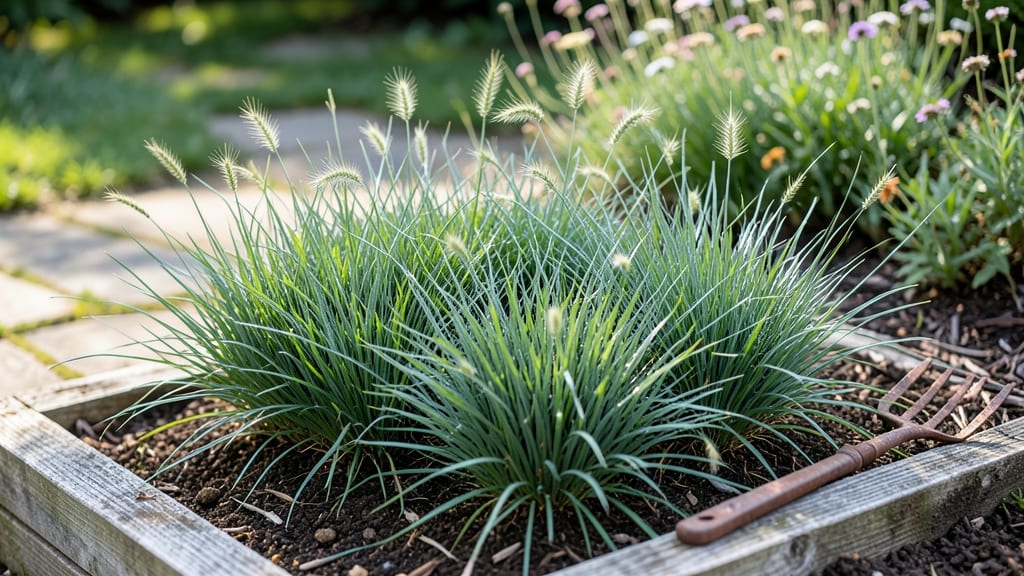
Your lawn’s vibrant green grass leaves start with the right care—not just water and mowing. 🌱 I’ve revived patchy, dull lawns in just 30 days by fixing soil, adjusting watering, and choosing the right grass type for my climate. The secret?
Treating your lawn like a living ecosystem, not just a carpet. Soil tests reveal the real story—mine needed extra nitrogen and organic matter to feed roots properly. Most people overwater or mow too short, which stresses grass.
Instead, water deeply 2-3 times per week (1-1.5 inches total) and keep blades at 3-4 inches for shade and moisture retention. That’s when you’ll see leaves thicken and darken. By day 30, you’ll have a lawn so lush it makes neighbors ask for your secret.
The grass stands taller, resists weeds better, and stays green through droughts. Even brown patches fill in when you address the root causes—literally. This works for cool-season grasses (like Kentucky bluegrass) and warm-season types (like Bermuda). Let’s get your lawn back to that envy-worthy green.
Root Causes Of Yellowing Grass
If your lawn is losing its vibrant green hue and developing yellow patches, it’s often a sign that something’s disrupting the grass’s health. Understanding the why behind the discoloration is the first step to revival.
Below, we break down the most common culprits—from environmental stressors to hidden lawn care mistakes—and explain how they trigger those unsightly yellow or greenish leaves.
When temperatures soar or rainfall dwindles, grass blades wilts and turn a dull green-yellow as a survival mechanism. Here’s the science:
- Water loss: Grass loses moisture through transpiration. In extreme heat, roots can’t absorb water fast enough, causing cells to shrink and chlorophyll (the green pigment) to degrade.
- Nutrient lockout: Dry soil binds nutrients like nitrogen, making them unavailable to the plant. Without nitrogen, grass can’t produce enough chlorophyll, leading to that washed-out look.
- Root dieback: Prolonged drought weakens roots, reducing their ability to anchor the plant and absorb water—accelerating yellowing.
Actionable fix: Water deeply early in the morning (before 9 AM) to reduce evaporation. Aim for 1–1.5 inches per week, including rainfall. If your lawn is already stressed, overseeding with drought-resistant varieties (like tall fescue or Bermuda grass) can help.
Too much of a good thing can be just as harmful as too little. When grass sits in soggy soil for days, it suffocates—leading to yellowing, fungal growth, and root rot. Here’s how it happens:
- Oxygen deprivation: Waterlogged soil displaces oxygen in the root zone. Grass roots need oxygen to respire (breathe), and without it, they starve, turning yellow or brown.
- Fungal infections: Excess moisture creates the perfect breeding ground for pathogens like Fusarium or Rhizoctonia, which attack grass blades, causing ring-like yellow patches.
- Nutrient leaching: Overwatering washes away essential nutrients (like potassium and phosphorus) before roots can absorb them.
Actionable fix:
- Test your soil’s drainage: Dig a 12-inch hole, fill it with water, and time how long it takes to drain. If it’s still wet after 6 hours, you’ve got poor drainage.
- Improve soil structure: Amend clay-heavy soil with compost or sand to enhance aeration. For compacted lawns, core aeration (removing small soil plugs) helps roots breathe.
- Avoid light, frequent watering: Water deeply 2–3 times per week instead of daily shallow sprinkles.
Uninvited guests—like fungi, grubs, or chinch bugs—can turn your lawn into a yellowing disaster zone. Here’s how they sabotage your grass:
🍄 Fungal Infections (e.g., Dollar Spot, Brown Patch)
| Symptom | Cause | Why It Turns Yellow/Green |
|---|---|---|
| Small, straw-colored patches with yellow halos | Clarireedia jacksonii (Dollar Spot) | Fungus clogs stomata (pores on grass blades), blocking water and nutrient uptake. Infected cells die, turning yellow before browning. |
| Greasy, circular yellow patches that expand rapidly | Rhizoctonia solani (Brown Patch) | Fungus thrives in high humidity and warm nights. It kills leaf tissue, leaving behind a water-soaked yellow-green appearance before turning brown. |
🐜 Grubs & Chinch Bugs
- Grubs: These C-shaped larvae munch on roots, weakening the grass’s ability to absorb water and nutrients. Yellow patches often appear in late summer when grubs are most active.
- Chinch bugs: These tiny pests pierce grass stems to suck out sap, causing stunted, yellowed blades that eventually die. They’re most damaging in hot, dry conditions.
Actionable fix:
- Fungicides: Apply a systemic fungicide (like propiconazole) at the first sign of fungal activity, especially in high-humidity or shady areas.
- Grub control: Treat in early summer with beneficial nematodes or imidacloprid. For chinch bugs, use carbaryl or bifenthrin.
- Prevention: Mow high (3–4 inches) to reduce fungal spores and improve airflow. Dethatch if thatch layers exceed ½ inch.
Grass is a nutrient hog, and when it’s starving, the first sign is often yellowing leaves. Here’s what’s missing and why:
| Deficiency | Yellowing Pattern | Why It Happens |
|---|---|---|
| Nitrogen (N) | Pale yellow or straw-colored blades (starts at tips) | Nitrogen is the building block of chlorophyll. Without it, grass can’t produce enough green pigment. Common in new lawns or after heavy mowing. |
| Potassium (K) | Yellowing along leaf edges (scorched look) | Potassium regulates water and disease resistance. A deficiency weakens cell walls, causing edge browning and poor drought tolerance. |
| Iron (Fe) | Uniform yellowing between veins (veins stay green) | Iron is critical for chlorophyll production. In alkaline soils (pH >7.0), iron becomes unavailable to plants, even if it’s present. |
Actionable fix:
- Soil test first! Use a DIY test kit or send a sample to a lab to identify exact deficiencies.
- Nitrogen boost: Apply a slow-release fertilizer (like sulfur-coated urea) in early spring or fall.
Revive Your Lawn Naturally Now
If your lawn is struggling with unexpected green patches or leafy grass growth, the good news is that most issues have simple, actionable fixes. Below, we’ve mapped out the most common causes—from overwatering to nutrient imbalances—and paired them with step-by-step solutions.
Plus, we’ll share prevention tips to keep your lawn thriving long-term. Let’s get your grass back to its best in 30 days or less! 🌱✨
If your lawn has soggy, spongy patches or mushy green leaves, excess moisture is likely the culprit. Here’s how to drain the problem away:
💧 Step 1: Adjust Your Watering Schedule
- Water deeply but less frequently: Aim for 1–1.5 inches per week (including rain).
Use a rain gauge or tuna can to measure. - Water early in the morning (before 10 AM) to reduce evaporation and fungal risks. - Avoid daily light watering—this encourages shallow roots and weak grass.
🏗️ Step 2: Improve Soil Drainage
- Aerate compacted soil with a core aerator (rent or buy one).
Do this in early fall or spring when grass is actively growing. - Add organic matter: Mix in 2–3 inches of compost or sand (if your soil is clay-heavy) to improve drainage. - Check for grading issues: If water pools in low spots, gently slope the area away from your house (1/4 inch per foot) to redirect flow.
🌡️ Step 3: Prevent Future Sogginess
- Install a French drain if water consistently pools in one area.
- Test your soil’s pH (ideal: 6.0–7.0).
Use a lime treatment if it’s too acidic (below 6.0). - Choose drought-tolerant grass seeds (like tall fescue or Bermuda) if your area floods often.
Yellowing or pale green leaves often mean your grass is hungry—or getting too much of one nutrient. Here’s how to balance it:
📊 Step 1: Soil Test First
- Buy a DIY soil test kit ($10–$20) or send a sample to your local extension office for a professional analysis.
- Look for nitrogen (N), phosphorus (P), and potassium (K) levels.
Ideal ratios vary by grass type but generally: - Cool-season grasses (Kentucky bluegrass, fescue): 3-1-2 (N-P-K) - Warm-season grasses (Bermuda, Zoysia): 4-1-2
💡 Step 2: Apply the Right Fertilizer
| Problem | Solution | When to Apply |
|---|---|---|
| Pale green leaves | Nitrogen-rich fertilizer (20-0-5 or 30-0-4) | Spring & fall |
| Dark green but weak | Balanced fertilizer (10-10-10) + iron supplement (if soil is alkaline) | Early summer |
| Slow growth | Slow-release fertilizer (like Milorganite) or compost tea | Spring & fall |
🍽️ Step 3: Feed Your Grass Naturally
- Top-dress with compost (1/4 inch layer) in spring and fall to boost organic matter.
- Use grass clippings as mulch—never bag them!
(They return 25% of nitrogen to the soil.) - Avoid over-fertilizing—too much nitrogen causes burnt tips and weed growth.
If your grass has dull, slimy green patches or mushrooms popping up, a fungal infection like dollar spot or brown patch might be the villain. Act fast!
🧴 Step 1: Identify the Fungus
- Dollar spot: Small straw-colored circles with dark borders (common in humid weather).
- Brown patch: Tan or brown patches that feel slimy in the morning.
- Gray leaf spot: Grayish-green spots with yellow halos (thrives in heat).
🍄 Step 2: Apply Fungicide (If Needed)
- For mild cases: Spray with a baking soda solution (1 tbsp baking soda + 1 gallon water + a few drops of dish soap).
- For severe infections: Use a fungicide with propiconazole or myclobutanil (follow label rates).
- Water deeply but less often after treatment to help leaves dry faster.
🌡️ Step 3: Prevent Fungal Return
- Mow high (3–4 inches) to improve airflow.
- Rake up thatch (layer of dead grass) if it’s more than 1/2 inch thick.
- Avoid nighttime watering—fungi love damp grass after dark.
If your lawn has random green leaves sprouting where they shouldn’t (like clover, chickweed, or wild violets), it’s time for a selective cleanup.
🌱 Step 1: Pull Weeds by Hand (Best for Small Areas)
- Best time: Early morning when weeds are turgid (full of water).
- Tool up: Use a weeding knife or dandelion digger for deep roots.
- For clover: Pull before it flowers to prevent seed spread.
💥 Step 2: Spot-Treat with Herbicides (If Needed)
- For broadleaf weeds (dandelions, clover): Use a 2,4-D-based herbicide (like Ortho Weed B Gon).
- For grassy weeds (crabgrass, nutsedge): Try a selective herbicide like tenacity (for warm-season lawns) or sedgehammer (for nutsedge).
- Avoid spraying on windy days—drift can kill your grass!
🌱 Step 3: Crowd Out Weeds with Thick Grass
- Overseed bare spots in early fall with shade-tolerant grass (like fine fescue).
- Apply pre-emergent herbicide in early spring to block weeds before they sprout.
- Mow regularly (never remove more than 1/3 of the blade at once).
If parts of your lawn stay dull green because of low sunlight, you’ll need a shade-tolerant strategy.
🌿 Step 1: Choose the Right Grass Seed
- Best shade-tolerant grasses:
- Kentucky bluegrass (stays green but needs more water)
- Creeping red fescue (handles deep shade well)
💧 Step 2: Adjust Care for Shady Spots
- Water more frequently (shade = slower evaporation, but roots stay damp longer).
- Use a slow-release fertilizer (like Osmoote) to avoid runoff.
- Aerate annually—compacted shade soil drains poorly.
🎨 Step 3: Supplement with Ground Cover
- Add mulch-friendly plants like creeping thyme or ajuga between grass patches.
- Use shade-loving perennials (like hostas or ferns) in problem areas to break up the lawn.
Most lawn issues are fixable with patience and the right approach—whether it’s draining waterlogged soil, balancing nutrients, or outsmarting weeds. Start with one solution, monitor progress, and adjust as needed. In 30 days**, you’ll see a noticeable difference! 🚀🌿
Frequently asked questions about vibrant green grass leaves
Why do my grass leaves turn yellow even when I water regularly?
Yellowing leaves often signal nutrient deficiencies or poor soil health. Nitrogen deficiency (pale yellow) or iron deficiency (yellow between veins) are common—test your soil first! Even with water, compacted soil can block nutrients. Try applying a balanced fertilizer or compost to restore health.
How often should I mow to keep grass leaves healthy?
Never remove more than 1/3 of the blade height at once. For most grasses, mow to 3-4 inches—taller blades shade soil, retain moisture, and resist weeds. Mow when leaves are dry (early morning) and use sharp blades to prevent tearing.
Can I use household items to fix dull green grass?
Yes! For mild issues, try a vinegar spray (1 gallon water + 1 cup white vinegar) to kill weeds without chemicals. For nutrient boosts, use coffee grounds (nitrogen-rich) or eggshells (calcium) as natural amendments. Just avoid overdoing it—balance is key!
What’s the best time of year to overseed for thicker green leaves?
Early fall (late August to September) is ideal for cool-season grasses. Warm-season grasses like Bermuda thrive with overseeding in late spring. Choose a shade-tolerant variety if your lawn has problem areas—fine fescue or creeping red fescue work well.
How do I know if my grass leaves need more sun or less?
Look for thin, weak growth or pale color—these are sun-starved signs. If leaves stay green but grow slowly, your grass may need more sunlight. For shade issues, test with a shade cloth (60% block) to see if growth improves.