
Landscaping
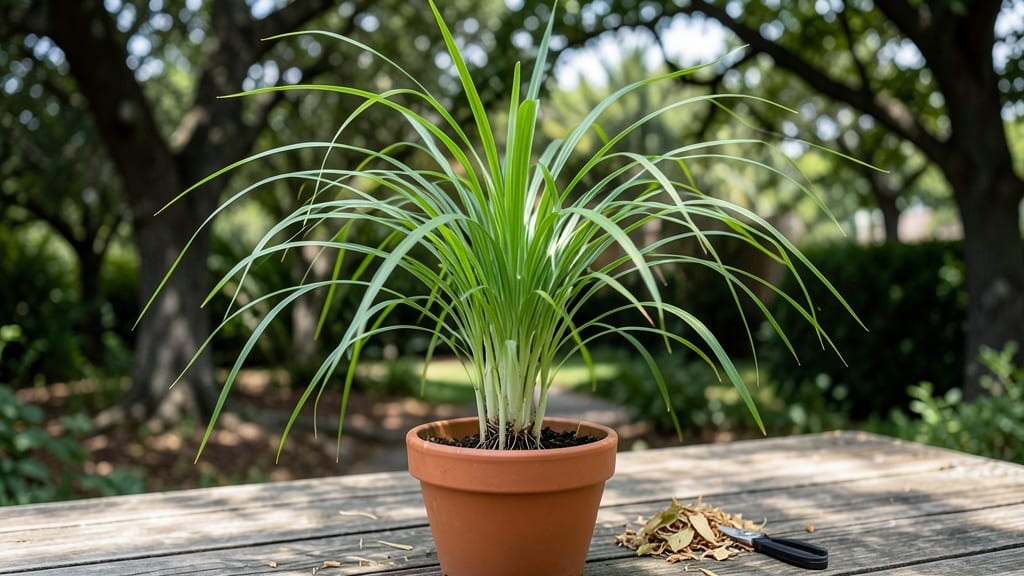
Landscaping with lemongrass plants transforms outdoor spaces with vibrant tropical appeal and refreshing citrus fragrance, making them ideal for warm climates or container gardens.
Lemongrass thrives as both a functional and decorative plant, offering a zesty aroma that repels pests while adding visual interest. 🌿 Compact varieties like 'Siam' (reaching 3-4 feet) work beautifully in borders, while 'West Indian' (taller at 5-6 feet) suits tropical-themed backdrops.
The key to their success lies in full sun exposure and soil that mimics their native conditions—slightly acidic with excellent drainage. For container gardening, choose pots with drainage holes and mix in perlite to prevent root rot, ensuring your fragrant foliage stays lush year-round.
💡 In This Article
- Best Lemongrass Varieties for Landscaping and Their Unique Traits
- Container Gardening Tips for Healthy Lemongrass Landscaping
Best lemongrass varieties for landscaping and their unique traits
The right variety makes all the difference in your landscaping project. 'Siam lemongrass' (Cymbopogon citratus) stands out for its compact stature (3-4 feet) and intense citrusy fragrance, making it perfect for borders or small containers.
Its leaves grow in tight clusters, creating a neat, ornamental look that's ideal for edging pathways or lining patio edges. The aroma isn't just pleasant—it naturally deters mosquitoes and flies, adding functional value to its decorative appeal.
'West Indian lemongrass' (Cymbopogon nardus) offers a different experience with its taller growth (5-6 feet) and broader leaves, perfect for creating tropical backdrops or privacy screens. This variety has a slightly milder fragrance but produces more biomass, which is great for harvesting fresh or dried culinary lemongrass.
For colder climates, 'Mauritius lemongrass' (Cymbopogon flexuosus) is the hardiest choice, tolerating temperatures down to 25°F while still delivering that signature lemony scent. Each variety's unique height and cold tolerance let you tailor your landscaping to specific climate zones and design needs.
The ornamental value of lemongrass extends beyond its scent. All varieties feature striking arching, sword-like leaves that add vertical interest to garden beds. When planted in groups, they create a lush, tropical feel that's especially effective in Mediterranean or Southeast Asian-inspired designs.
The leaves' vibrant green color contrasts beautifully with purple foliage plants or flowering annuals, creating visual harmony. For container gardens, dwarf varieties like 'Siam' allow you to place them on patios or balconies where their fragrance can be enjoyed up close.
Fragrance intensity varies significantly between types. 'Siam' delivers the strongest citrus aroma, with leaves that release their scent when brushed against or crushed. This makes it ideal for seating areas where you want the fragrance to waft naturally.
'West Indian' has a more subtle, herbal note that pairs well with other tropical plants like hibiscus or bird of paradise. The scent isn't just decorative—it's functional, as the citrus oils act as a natural insect repellent, keeping your outdoor space more pleasant during warm evenings.
Consider your climate when selecting varieties. In USDA zones 9-11, all types thrive year-round, while in cooler zones 8 or below, 'Mauritius' is your best bet for winter survival. Even in colder areas, you can grow lemongrass in containers and bring them indoors during frost, extending your growing season.
The key is matching the variety's hardiness to your local winter lows—this ensures your landscaping investment remains vibrant and fragrant throughout the year.
For maximum impact, combine varieties in your design. Plant 'Siam' along walkways for its compact size and strong scent, while using 'West Indian' as a backdrop for taller plants. The contrast in heights creates visual layers that make your landscaping more dynamic.
In containers, mix varieties to create a cascading effect, with taller types in the back and shorter ones spilling over the edges. This approach maximizes both the aesthetic and functional benefits of lemongrass in your outdoor space.