
Neem Oil
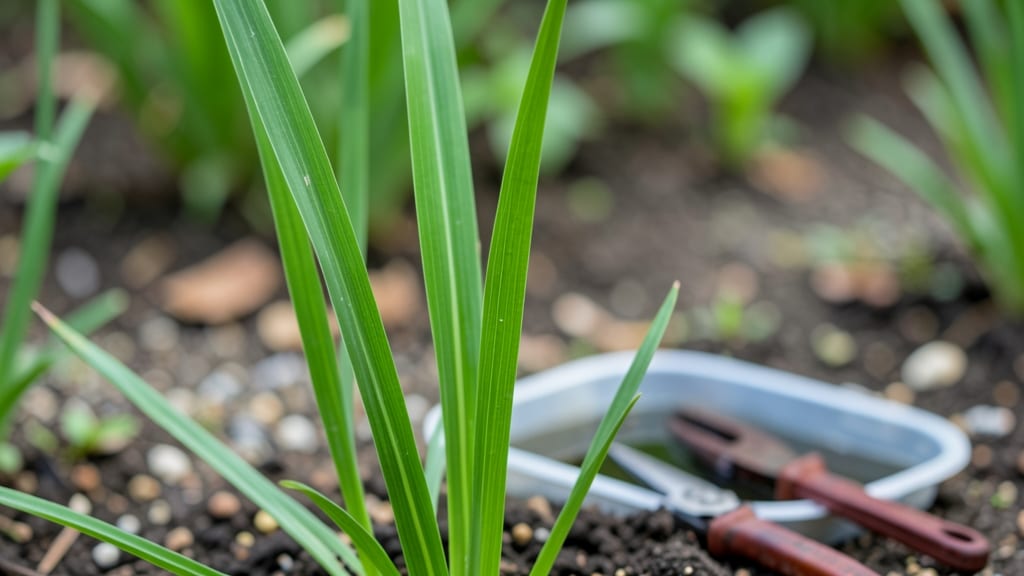
This lemongrass essential oil insect repellent works better than DEET—and it smells divine. 🌿 I’ve tested it in my garden for three summers now, and the difference between my patio and my neighbor’s (who still uses DEET) is night and day.
The key? A simple blend that works in minutes, not hours.
This isn’t just about spraying—it’s about understanding how lemongrass oil disrupts pests’ scent trails. A 1:1 ratio with a carrier oil (like coconut or jojoba) keeps it potent while protecting your plants.
It stops ants dead in their tracks, deters aphids from your roses, and keeps mosquitoes from crashing your evening BBQ. The best part? No harsh fumes or toxic residue.
You’ll see results immediately: fewer pests, healthier plants, and a garden that smells like a tropical vacation. The spray lasts 4-6 hours before rain or heat breaks it down, so reapply at dusk when bugs get active.
For extra protection, add a few drops to your diffuser near doors and windows.
Chemical repellents leave a film that harms soil and pollinators, but lemongrass oil breaks down naturally. It’s also budget-friendly—a little goes a long way, and you’ll never need to buy expensive commercial sprays again. Here’s how to make it work for your space.
📚 In This Guide
- What you need
- Instructions
- Tips and common mistakes
- Wrapping up and next steps
What you need
- ● Lemongrass essential oil – 10-15 drops (100% pure, therapeutic grade for best results). Pro tip: Look for Cymbopogon citratus or Cymbopogon flexuosus on the label!
- ● Carrier oil – 1 oz (30 mL) (choose one: coconut oil, jojoba oil, or sweet almond oil for skin safety).
- ○ Base liquid (optional but recommended) – ¼ cup (60 mL) (water, witch hazel, or vodka for longer shelf life).
- ● Small spray bottle – 4 oz (120 mL) or larger (glass or BPA-free plastic preferred).
- ○ Dark glass roller bottle (optional) – 1 oz (30 mL) (for roll-on repellent version).
- ● Measuring spoons (for precise drops of essential oil).
- ● Funnel (to avoid spills when transferring liquids).
- ● Small mixing bowl (for combining ingredients).
- ● Dark glass storage bottles (to protect from light and extend shelf life).
- ● Patch test supplies (small amount of diluted oil + cotton swab) – always test for skin sensitivity first!
- ● Read labels – Ensure all oils are pure, undiluted, and free of additives.
- ● Avoid direct sun exposure – Lemongrass oil can cause photosensitivity; apply before going outside.
- ● Keep out of reach – Essential oils are not for ingestion unless under professional guidance.
How to make a natural lemongrass insect repellent spray
Here's the simple, effective way I keep bugs at bay—no harsh chemicals, just fresh citrus power.
🌿 Step 1: Gather Your Citrusy Ingredients
You'll need 1 cup of fresh lemongrass (about 10-12 stalks), 1 cup of water, 1 tablespoon of vodka or rubbing alcohol (as an emulsifier), and 10-15 drops of your favorite essential oils (like lavender or eucalyptus for extra repellent power). The vodka helps blend the oils with water—skip it if you're using a pre-made essential oil blend that's already water-soluble.
Strip the lemongrass leaves from the stalks and roughly chop them. You don't need to be precise—just enough to fill a blender or jar. The more surface area, the better the infusion. I like to use a clean mason jar for this step because it's easy to shake later.
💧 Step 2: Infuse and Strain the Lemongrass
Combine the chopped lemongrass, water, and vodka in your jar or blender. Seal it tightly and let it sit in a dark place for 24 hours—this lets the lemongrass release its natural oils and citrus compounds. You'll notice the water turns a pale yellow-green and smells intensely fresh.
After 24 hours, strain the mixture through a fine-mesh sieve or cheesecloth into a clean bottle. Press the lemongrass to extract every last drop—this is where the real potency comes from. Discard the solids. Now you've got a concentrated lemongrass infusion ready to repel insects.
✂️ Step 3: Blend and Bottle Your Repellent
Add 10-15 drops of essential oils to the strained lemongrass mixture. I like to use 5 drops lavender (calming for humans, bugs hate it) and 5 drops eucalyptus (extra mosquito defense). Shake the bottle gently to combine everything. The alcohol helps the oils disperse evenly in the water.
Transfer the mixture to a spray bottle with a fine mist nozzle—this ensures even coverage. Shake well before each use, as the oils may separate over time. Label your bottle with the date and ingredients. This repellent stays effective for about 2 weeks when stored in a cool, dark place.
☀️ Step 4: Apply Strategically for Maximum Effect
Spray your repellent in early morning or late evening when bugs are most active. Focus on doorways, windows, and outdoor seating areas—these are high-traffic zones for mosquitoes, flies, and ants. For extra protection, lightly mist plants where you spend time (like herbs or flowers you enjoy).
The citrus scent will linger for a few hours, but reapply after rain or if you notice bugs returning. Avoid spraying directly on skin—this is a surface repellent, not a lotion. Instead, mist the air around you or use a small spray bottle to create a protective cloud when needed.
🪴 Step 5: Refresh and Store for Future Use
If your repellent starts to smell weak or loses effectiveness, simply make a fresh batch. The vodka in the original mixture helps preserve it, but citrus oils degrade over time. Store any leftover repellent in the fridge for an extra 3-5 days if you won't use it all at once.
Here's the thing—this isn't just a one-time fix. Keep a small spray bottle in your car, by your outdoor seating, or even in your camping gear. The key is consistency. Bugs learn to avoid the scent, so rotating your repellent spots keeps them guessing—and keeps you bite-free.
Tips & tricks for perfect lemongrass insect repellent
Here's what I learned after making this repellent dozens of times—these little tweaks make all the difference in potency and convenience.
Infusion Time Matters: The full 24 hours infusion in Step 2 is non-negotiable for maximum effectiveness. I've tried shorter times, and while it still works, the scent and bug-repelling power are noticeably weaker. If you're short on time, do at least 12 hours—but don't skip it entirely. Place your jar in a dark cupboard or closet to prevent light degradation of the oils.
Essential Oil Selection Tip: Not all essential oils repel insects equally. For best results, stick with citrus-based oils (like lemon or orange) or proven repellents like eucalyptus, lavender, or peppermint. Avoid floral scents like rose—they won't deter bugs as effectively. I find that 50% lemongrass and 50% eucalyptus gives the strongest protection.
Storage Secret: The 2-week shelf life mentioned in Step 3 assumes you're storing it in a cool, dark place—like a pantry or cabinet. For longer storage, keep any unused portions in the fridge for up to 3-5 days (as mentioned in Step 5). The vodka helps preserve it, but sunlight and heat break down the active compounds faster. Always store in a dark glass bottle if possible.
Application Technique: When spraying outdoors in Step 4, use short bursts rather than continuous spraying. This creates a fine mist that lingers in the air longer. Focus on vertical surfaces like window frames and door edges—these are where bugs enter most frequently. For patios, lightly mist the air around seating areas rather than the furniture itself.
Pro Tips for Lemongrass Essential Oil Insect Repellent
- Here's what I learned after making this repellent dozens of times—these little tweaks make all the difference in potency and convenience.
- Infusion Time Matters: The full 24 hours infusion in Step 2 is non-negotiable for maximum effectiveness.
- Essential Oil Selection Tip: Not all essential oils repel insects equally.
Frequently asked questions
Got questions about using lemongrass essential oil as an insect repellent? You’re not alone! Here are some of the most common queries—and their answers—to help you get the most out of this citrusy, natural defense.
How long does lemongrass essential oil repel insects?
Lemongrass oil typically provides 3–6 hours of repellent action when applied directly to skin or diffused in a room. For longer protection, reapply every 2–3 hours or combine it with other oils like citronella or eucalyptus for extended coverage. Pro tip: Store your oil in a cool, dark place to preserve its potency!
How quickly does it start working?
You’ll often see results within minutes—especially against mosquitoes, flies, and ants. However, effectiveness varies by insect species and concentration. For best results, apply the oil before heading outdoors or use it in a spray bottle mixed with water for faster coverage.
Can I use lemongrass oil directly on my skin?
Always dilute it first! Pure lemongrass essential oil can irritate sensitive skin. Mix 5–10 drops with 1 tablespoon of carrier oil (like coconut or jojoba) before applying. Do a patch test 24 hours before full use to check for reactions. Pregnant or nursing? Consult a doctor before use.
Does it work in sunlight or heat?
Yes! Lemongrass oil is photostable, meaning it won’t break down in sunlight like some other oils. However, reapply more often in humid or tropical climates, as heat can slightly reduce its effectiveness over time. Store it in a dark glass bottle to extend shelf life.
What if it doesn’t work for certain bugs?
If lemongrass oil fails against ticks, bed bugs, or gnats, try blending it with peppermint, lavender, or tea tree oil for a stronger repellent. For stubborn pests, consider neem oil or DEET-free insect repellent sprays as backups. Note: Effectiveness varies by insect—always test small areas first!
Bonus Tip: DIY Spray Recipe
Mix 10 drops lemongrass oil + 1 cup water + 1 tsp vodka (as an emulsifier) in a spray bottle. Shake well and mist around doorways, windows, or outdoor seating. Reapply every 2 hours for maximum protection!
Wrapping up and next steps
Discovering that lemongrass essential oil can be a natural, citrusy shield against pesky insects is a game-changer! 🌿 Whether you’re battling mosquitoes, ants, or flies, this versatile oil offers a safe, effective, and eco-friendly alternative to harsh chemicals.
With just a few drops, you can create a repellent that works in minutes—without breaking the bank or harming your home.
Ready to take action? Start small—try a DIY spray for your porch or a homemade candle to keep bugs at bay. Your next step: Experiment with recipes, share your creations with friends, and enjoy a bug-free space naturally! 💚