
Lawn
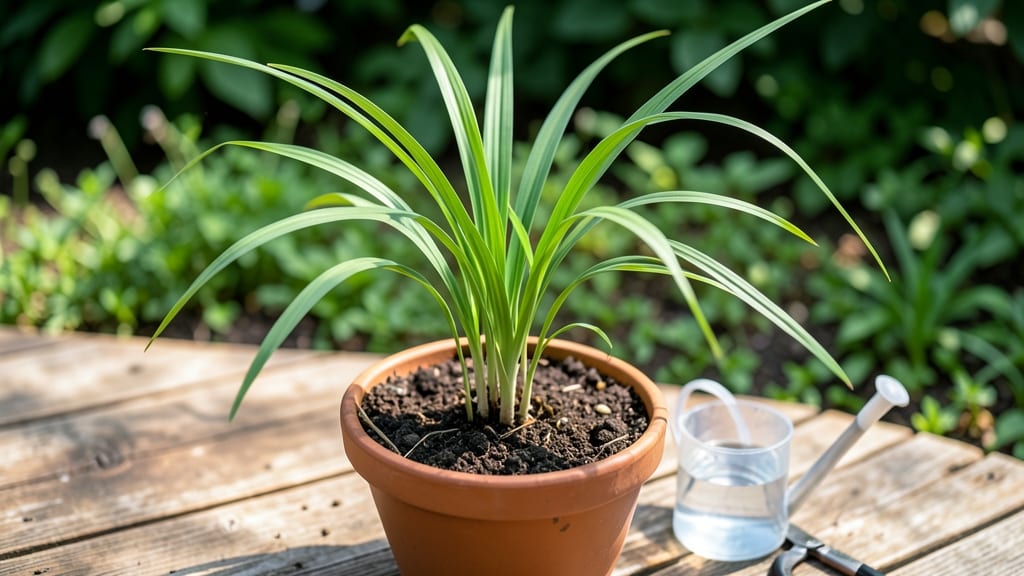
Taking care of lemon grass isn't just about growing a plant—it's about unlocking that fresh, citrusy aroma in your kitchen year-round. 🌿 I've learned the hard way that lemon grass thrives in containers, making it perfect for small spaces, but only if you nail the soil, water, and light balance.
The secret to continuous harvesting lies in understanding its tropical roots and adapting care to your climate. Start with well-draining potting mix and a container at least 12 inches deep—lemon grass hates soggy roots.
Place it where it gets 6-8 hours of sunlight daily, but protect it from harsh afternoon sun in hot zones. Water when the top inch of soil feels dry, and you'll see those signature canes grow 12-18 inches tall within months.
Prune regularly to encourage bushier growth and harvest stems from the bottom up. The real magic happens when you master the year-round cycle: new growth appears after each harvest, and with proper care, you'll have fresh stems ready to chop for curries or teas every 6-8 weeks.
The plant's resilience makes it a foolproof choice for containers, even in cooler climates if you bring it indoors during winter. Just avoid overwatering—this is where most gardeners go wrong. For colder regions, overwinter lemon grass in a sunny window or under grow lights, reducing water slightly.
Yellowing leaves? Too much water or not enough sun. Brown tips? Dry air or fluoride in tap water (use filtered water instead). With these adjustments, your lemon grass will stay vibrant and productive for years, turning your balcony into a mini tropical oasis.
📚 In This Guide
- What you need
- Instructions
- Tips and common mistakes
- Wrapping up and next steps
What you need
- ● Lemon grass plants or seeds: 3–5 mature lemon grass stalks (from a nursery or trusted grower) or
- ● 50–100 lemon grass seeds (if starting from scratch)
- ● Containers or garden space: At least 12-inch-deep containers (one per plant) with drainage holes or
- ● A well-draining garden bed (if planting outdoors)
- ● Potting mix: 1 part well-draining soil (e.g., cactus/succulent mix) or regular potting soil mixed with
- ● 1 part perlite or coarse sand (for aeration)
- ● Fertilizer: Balanced liquid fertilizer (10-10-10 or 20-20-20) or
- ● Slow-release granular fertilizer (follow package instructions)
- ● Watering can or hose with a gentle spray nozzle
- ● Pruning shears or sharp scissors (for harvesting and trimming)
- ● Mulch (e.g., straw or shredded leaves) to retain moisture
- ● Organic compost (for nutrient boosts)
- ● Shade cloth (if growing in hot climates)
- ● pH testing kit (ideal range: 5.5–7.0)
- ● Support stakes (if stalks grow tall and need propping)
Step-by-Step instructions for growing lemon grass in containers
Here's my foolproof method for keeping lemon grass thriving year-round in pots.
🪴 Step 1: Choose the Right Container and Soil
Lemon grass needs a minimum 12-inch deep pot with drainage holes—its roots grow long and need space. I use terracotta because it breathes and prevents waterlogging. Fill the bottom third with gravel or perlite for drainage, then add well-draining potting mix mixed with 20% sand or perlite.
Press the soil down lightly so it's firm but not compacted. You want roots to spread easily, not fight through dense soil. Water the mix until it's evenly moist but not soggy—think of a wrung-out sponge. This ensures the roots start hydrated without drowning.
🌱 Step 2: Plant the Starter and Provide Warmth
Place your 3-4 inch lemon grass starter in the center of the pot, spreading roots gently downward. Cover with 1 inch of soil, pressing lightly to eliminate air pockets. The base of the stem should sit just above soil level—burying it too deep causes rot.
Set the pot in a spot with bright, indirect light (like an east-facing window) and keep soil consistently moist. Lemon grass loves warmth—aim for 70-85°F. If your home runs cooler, use a heat mat during winter. You'll see new growth within 2-3 weeks if conditions are right.
☀️ Step 3: Move to Sun and Maintain Watering
Once the plant reaches 12-18 inches tall, transition it to 4-6 hours of morning sun daily. Too much direct afternoon sun scorches the leaves. Water when the top 1-2 inches of soil feel dry—stick your finger in to check. Overwatering is the #1 killer of container lemon grass.
Fertilize lightly every 6-8 weeks with a balanced liquid fertilizer (like 10-10-10) diluted to half strength. You'll know it's happy when the stalks grow thick and upright, not floppy or yellowing. Watch for pests like aphids—spray with neem oil if you spot them.
✂️ Step 4: Harvest and Prune for Continuous Growth
Harvest stems when they reach 12-18 inches tall by cutting just above a leaf node with clean scissors. This encourages new shoots to grow from the base. Never cut more than 1/3 of the plant at once—you'll stunt regrowth.
After harvesting, trim any yellow or damaged leaves to keep the plant tidy. In winter, reduce watering slightly but keep soil lightly moist. With proper care, your container lemon grass will keep producing fresh stems for years—just like the one I've had thriving for 3 seasons.
Tips & tricks for perfect container-grown lemon grass
I learned these little tricks the hard way after watching my first lemon grass plant wither—here's how to keep yours thriving.
Soil Science: That 20% sand or perlite mix in Step 1 isn't just about drainage—it prevents compaction. I've found coconut coir chips work even better than perlite for moisture retention while still allowing airflow. The key is creating a sponge-like texture that holds water without suffocating roots.
Light Transition Strategy: Moving your lemon grass to morning sun in Step 3 should be gradual. Start with just 2 hours of direct sun on day one, then add 1 hour each subsequent day until reaching the full 4-6 hours. This prevents sunburn that can turn leaves yellow and crispy overnight.
Harvesting Hack: When harvesting in Step 4, always cut at a 45-degree angle just above a leaf node. This creates a larger surface area for new shoots to emerge, and the angle helps water run off instead of pooling at the cut. I've seen regrowth double when using this technique compared to straight cuts.
Winter Survival: During colder months, move your pot to a south-facing window where it can soak up passive heat. If temperatures drop below 60°F, wrap the pot in bubble wrap (except the top) to insulate roots. I've kept mine thriving through winter this way for three years straight.
Pro Tips for Take Care Of Lemon Grass
- I learned these little tricks the hard way after watching my first lemon grass plant wither—here's how to keep yours thriving.
- Soil Science: That 20% sand or perlite mix in Step 1 isn't just about drainage—it prevents compaction.
- Light Transition Strategy: Moving your lemon grass to morning sun in Step 3 should be gradual.
Frequently asked questions
Got questions about growing and maintaining lemon grass? You’re not alone!
Here are answers to the most common concerns—from planting to troubleshooting—so you can keep your lemon grass thriving all year round.
How often should I water lemon grass in containers?
Water lemon grass 2–3 times per week (more in hot climates) to keep the soil consistently moist but not soggy. Containers dry out faster, so check the top inch of soil—if it’s dry, it’s time to water. Pro tip: Use a saucer under the pot to catch excess water and prevent root rot.
How long does it take for lemon grass to grow tall enough to harvest?
With proper care, lemon grass typically reaches harvestable height (12–18 inches) in 3–6 months from planting. Young plants grow slower, but mature stalks can shoot up 6+ inches per month in warm, sunny conditions. Patience pays off—harvesting too early stunts growth!
Can lemon grass survive winter in containers?
Lemon grass is tropical and not frost-tolerant, but you can overwinter it indoors! Move pots to a sunny windowsill or under grow lights and reduce watering slightly. If temps drop below 40°F (4°C), bring it inside immediately—cold stress will kill it. Alternative: Propagate from cuttings in spring!
Why is my lemon grass turning yellow or brown?
Yellowing leaves often signal overwatering or poor drainage, while brown tips mean underwatering or sunburn. Check these fixes:
- Ensure the pot has drainage holes and use well-draining soil.
- Water only when the top inch of soil is dry.
- Move to partial shade if leaves scorch in direct sun.
- Fertilize lightly (every 4–6 weeks) with a balanced liquid fertilizer.
Can I grow lemon grass from store-bought stalks?
Store-bought lemon grass can regrow
if you follow these steps:
- Trim the base 1–2 inches below the root ball (discard the rest for cooking!).
- Place the root ball in 1–2 inches of water in a shallow container.
- Keep in bright, indirect light and change the water every 3–4 days.
- Once new leaves sprout (2–4 weeks), transplant to soil!
Wrapping up and next steps
Caring for lemon grass is simpler than you think—and the rewards are worth it! With the right container, sunlight, and a little patience, you’ll enjoy fresh, aromatic stalks year-round.
Whether you’re growing it for cooking, remedies, or just the joy of nurturing a vibrant plant, every harvest is a small victory. 🌱
Ready to elevate your garden game? Start by planting your first stalk today—and soon, you’ll be sharing your lemon grass secrets with friends (or whipping up your signature dish!). Happy growing! 🌿✨