
Planting
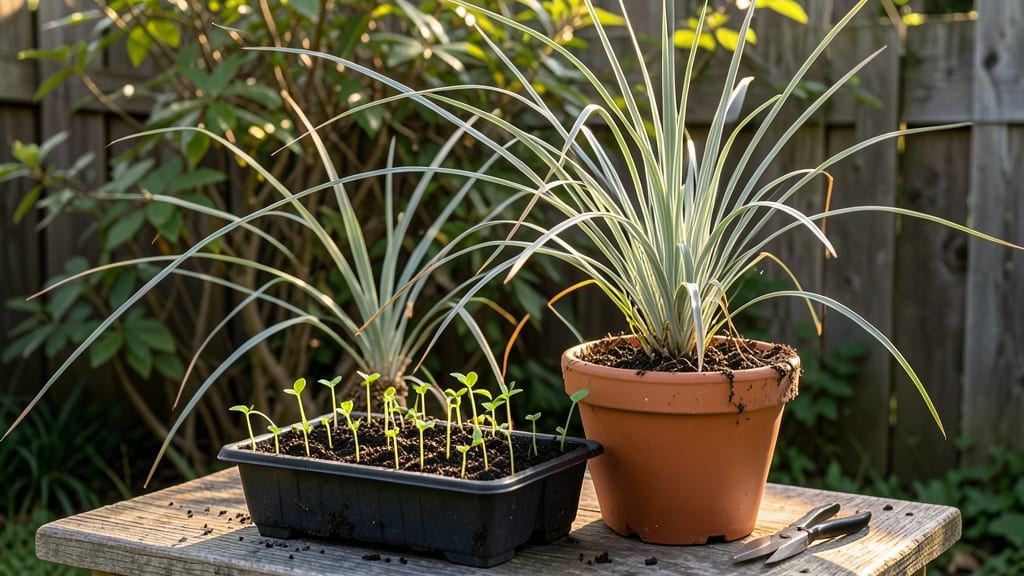
Planting lemon grass seeds gives you fragrant, homegrown stalks in just 6 weeks—no nursery plants required. 🌱 I’ve grown lemon grass from seed three times now, and each batch tastes fresher than store-bought.
The key is mimicking its tropical roots: warm soil, consistent moisture, and bright light from day one.
You’ll need a shallow container, well-draining potting mix, and patience—germination can take 2-4 weeks if the conditions are right. Lemon grass seeds are tiny, so scatter them lightly on damp soil (about 1/4 inch deep) and keep them warm, like on a seed mat or sunny windowsill.
Once sprouted, thin to 3-4 inches apart to give roots room to thicken.
By week 6, you’ll be harvesting stalks for cooking, their citrusy aroma filling your kitchen. The plants thrive in 60°F+ temperatures and partial shade, making them perfect for containers or garden edges. Just watch for slow starters—consistent warmth speeds up germination.
This method works year-round in warm climates, or start indoors in spring for outdoor transplanting. The first harvest is the sweetest reward after weeks of nurturing those delicate sprouts. Ready to grow your own?
📚 In This Guide
- What you need
- Instructions
- Tips and common mistakes
- Wrapping up and next steps
What you need
- ● Lemon grass seeds: 10–20 seeds (fresh or stored properly for viability). Tip: Look for organic or heirloom seeds for best results!
- ● Seed-starting tray or small pots: 4–6 inches deep (4–6 pots total, one per seed or cluster). Pro tip: Use biodegradable pots for easy transplanting later!
- ● Well-draining potting mix: 2–3 bags (sterilized, peat-free if possible). Must-have: Mix in perlite or vermiculite (10–20%) for aeration.
- ● Watering can or spray bottle: With a fine mist nozzle for gentle hydration.
- ● Clear plastic wrap or humidity dome: To retain moisture during germination.
- ● Grow lights or sunny windowsill: 6+ hours of indirect light daily (or a 12-hour photoperiod for artificial lights).
- ○ Fertilizer (optional but helpful): Balanced liquid fertilizer (5-5-5 NPK) or compost tea for seedlings.
- ● Small hand trowel or spoon: For planting seeds without disturbing roots.
- ● Plant labels or markers: To track seed varieties and planting dates.
- ○ Thermometer (optional): Ideal soil temp for germination: 75–85°F (24–29°C).
- ● Pruning shears (later stage): For trimming mature stalks to encourage bushiness.
- ● Patience: Germination takes 2–4 weeks—stay consistent with care!
- ● Warmth: Lemon grass thrives in USDA Zones 9–11; indoors or greenhouses work for cooler climates.
- ● Space: Mature plants need 18–24 inches of spacing (or container depth of 12+ inches).
Step-by-step instructions for growing lemon grass from seeds
Here's how to transform tiny seeds into lush, fragrant stalks ready for your kitchen in just six weeks.
🌱 Step 1: Pre-Soak Seeds for Faster Germination
Lemon grass seeds have a tough outer coating that slows sprouting. Place your seeds in a small bowl and cover them with lukewarm water for 24 hours. This softens the seed coat and speeds up germination. You'll notice the seeds swell slightly and some may even crack open—this is normal and a good sign.
Drain the water completely before handling. I like to wrap the soaked seeds in a damp paper towel and place them in a sealed plastic bag for another 12 hours to maintain moisture. This extra step ensures you won't be waiting weeks for your first sprouts to appear.
☀️ Step 2: Prepare Warm, Well-Draining Containers
Lemon grass thrives in warmth, so choose a container that can maintain soil temperatures above 70°F. Fill your 4-inch diameter pots with a mix of 50% potting soil and 50% perlite or coarse sand to prevent root rot. The extra drainage is critical—lemon grass hates soggy roots.
Plant the soaked seeds ½ inch deep, spacing them 1 inch apart in each pot. You'll end up with 4 plants from your initial batch. Gently press the soil around each seed to ensure good contact, but don't pack it down too firmly. The goal is to create a cozy, airy environment for those first roots to explore.
💧 Step 3: Create a Humid, Warm Germination Environment
Cover the pots with clear plastic wrap or use a humidity dome to trap warmth and moisture. Lemon grass seeds germinate best at 75-85°F, so place them on a seedling heat mat if possible. Without one, a sunny windowsill or warm spot above your fridge works well.
Check daily for condensation on the plastic. If it's dry to the touch, mist the soil lightly with room-temperature water. You should see sprouts within 10-14 days. Here's the thing—don't be tempted to remove the cover too soon. The humidity keeps the soil consistently moist, which is exactly what those delicate seedlings need.
🌿 Step 4: Provide Bright, Indirect Light for Seedlings
Once your seedlings emerge, remove the plastic cover immediately to prevent fungal growth. Place them in a location with bright, indirect light for their first 2 weeks. Direct sunlight at this stage will scorch the tender young leaves. You'll know they're getting enough light when the stems grow upright and the leaves develop a rich green color.
After two weeks, gradually introduce them to morning sun for 2-3 hours daily. Lemon grass loves warmth but can burn easily in intense afternoon rays. Watch for leaves that turn yellow or develop brown edges—this is your signal to move them to a slightly shadier spot or provide afternoon shade with a sheer curtain.
✂️ Step 5: Thin and Transplant for Stronger Growth
When your seedlings reach 4-6 inches tall (about 6-8 weeks from sowing), it's time to thin them. Use clean scissors to snip the weaker seedlings at soil level, leaving only the strongest plant per pot. This gives the remaining plant more room to develop a robust root system.
If you want to keep the thinned seedlings, transplant them to their own pots immediately. Lemon grass responds well to being transplanted, so don't worry about disturbing the roots. After transplanting, water thoroughly and place the pots in a sheltered spot for 3-4 days to help them recover before returning them to normal light conditions.
🪴 Step 6: Maintain Optimal Conditions for Harvest-Ready Stalks
Your lemon grass is now ready for its final growing phase. Keep the soil consistently moist but never soggy—water when the top 1 inch feels dry. Feed with a balanced liquid fertilizer every 4-6 weeks to encourage strong stalk growth. You'll notice the leaves start to form in a tight cluster at the top, which is exactly what you want.
In about 6 weeks total, your plants will be ready for harvest. The stalks should be 12-18 inches tall with a diameter of about ½ inch. The leaves at the top will be vibrant green and fragrant when crushed. Here's where it gets fun—you can harvest the outer stalks first, leaving the inner ones to continue growing.
Tips & tricks for growing lemon grass from seeds
Here's what nobody tells you about growing fragrant lemon grass from scratch—these are the details that make all the difference between struggling seedlings and thriving stalks.
Seed Prep Secret: The 24-hour soak is non-negotiable—it softens that tough outer coating that would otherwise delay germination for weeks. After draining, I add a pinch of cinnamon to the damp paper towel before sealing in the bag. This natural antifungal agent prevents mold while keeping the seeds moist during that extra 12 hours. Trust me, your sprouts will thank you when they appear in half the time.
Container Wisdom: Those 4-inch pots might seem small, but they're perfect for lemon grass's shallow root system. If you're using larger containers, fill them with the same 50/50 soil mix but only plant seeds in the top 2 inches—deeper planting encourages root rot. And here's a pro move: poke small drainage holes in the bottom of nursery pots before planting to prevent waterlogging, even if they're not required by the manufacturer.
Light Transition Strategy: The 2-week period of bright, indirect light is where most beginners go wrong. I recommend placing your seedlings near an east-facing window where they'll get gentle morning light without harsh afternoon sun. If you don't have window space, a grow light on a 12-hour timer works wonders. Watch for those leaves—when they start growing upright and develop a deep green hue, you're on the right track. The gradual introduction to morning sun after two weeks prevents shock that can stunt growth.
Thinning Technique: When thinning your seedlings at 4-6 inches tall, don't just pull them—use clean scissors to snip at soil level. This prevents disturbing the roots of your remaining plants. I also recommend thinning in the morning so any cut seedlings have time to dry completely before evening, reducing the risk of fungal infections. The strongest plant will show vigorous growth and a vibrant color compared to its weaker siblings.
Pro Tips for Plant Lemon Grass Seeds
- Here's what nobody tells you about growing fragrant lemon grass from scratch—these are the details that make all the difference between struggling seedlings and thriving stalks.
- Seed Prep Secret: The 24-hour soak is non-negotiable—it softens that tough outer coating that would otherwise delay germination for weeks.
- Container Wisdom: Those 4-inch pots might seem small, but they're perfect for lemon grass's shallow root system.
Frequently asked questions
Got questions about growing lemon grass from seeds? You’re not alone—this tropical plant can be tricky for beginners! Below, we’ve answered the most common queries to help you avoid pitfalls and grow lush, fragrant stalks with confidence.
How long does it take for lemon grass seeds to germinate?
Lemon grass seeds typically take 2–4 weeks to germinate, depending on warmth and moisture. Keep the soil consistently damp (not soggy) and maintain temperatures between 70–85°F (21–29°C). Patience is key—some seeds may take longer, especially in cooler conditions. Pro tip: Use a heat mat if your climate is chilly!
Can I grow lemon grass from store-bought stalks instead of seeds?
Seeds are finicky, but lemongrass stalks (with roots intact) are easier to propagate. Trim the base, remove lower leaves, and place it in water or moist soil. Roots should sprout in 1–2 weeks. This method yields faster, healthier plants—perfect for beginners!
Why aren’t my lemon grass seeds sprouting?
Seeds may fail to sprout due to cold soil, dry conditions, or old seeds. Double-check these fixes:
- Warmth: Ensure soil stays above 70°F (21°C) (use a greenhouse or heat mat).
- Moisture: Mist seeds daily—dampness (not waterlogging) is critical.
- Freshness: Seeds lose viability after 1–2 years; buy new ones if unsure.
- Depth: Plant seeds ¼ inch deep—too deep = delayed germination.
How do I tell if my lemon grass plant is healthy?
A thriving lemon grass plant has:
- Bright green, upright stalks (no yellowing or wilting).
- Tight, grass-like leaves (loose or brown leaves signal overwatering).
- Strong citrusy scent when crushed (faint smell = nutrient deficiency).
Can lemon grass survive winter outdoors?
Lemon grass is tropical and cannot tolerate frost—it’ll die if temps drop below 30°F (-1°C). If you live in a cold climate:
- Grow it in containers and move indoors near a sunny window.
- Harvest stalks before the first frost and store in a cool, dark place.
- Overwinter seeds indoors with a grow light.
Wrapping up and next steps
Growing your own lemon grass from seeds is a rewarding journey—one that fills your kitchen with fragrant, homegrown goodness in just 6 weeks! 🌱 With the right soil, patience, and a little care, you’ll soon enjoy the zesty aroma and culinary versatility of this tropical plant.
Whether you’re a seasoned gardener or a curious beginner, every small step brings you closer to a thriving harvest.
Now that you’re armed with the know-how, take the next step: grab those seeds, pick a sunny spot, and let your green thumb shine!
Share your progress with fellow plant lovers or experiment with recipes using your homegrown lemon grass—because nothing beats the satisfaction of cooking with what you’ve grown. Happy planting! 🌿✨