
How To
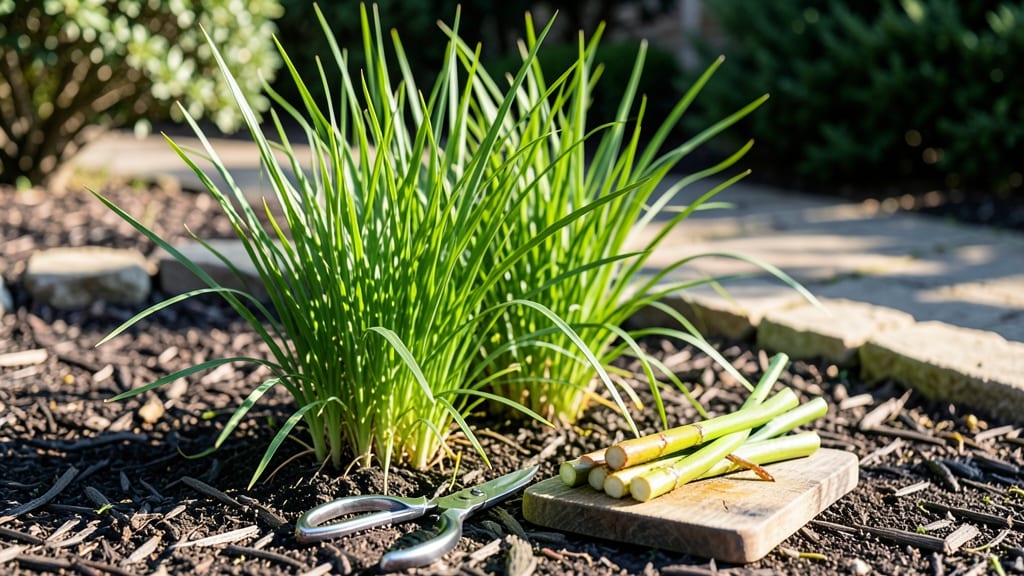
Harvesting lemongrass without killing the plant starts with cutting 2-3 inches above the base—this simple trick ensures your 🌿 keeps growing while you get fresh stalks every few months.
Picture this: you’ve finally grown a lush lemongrass plant, but every time you harvest, it looks sad and stops producing. That’s because most people cut too low or take too much at once, leaving the plant struggling to recover.
The good news? With the right technique, you can keep harvesting for years without harming your plant.
Lemongrass thrives when you follow a few key rules: wait until stems are 6-12 inches tall, avoid cutting more than one-third of the stalks at a time, and always use clean, sharp scissors.
These small steps make all the difference between a healthy plant and one that gives up on you.
In this guide, I’ll walk you through the exact method to harvest lemongrass—when to do it, how much to cut, and what to watch for to know your plant is bouncing back strong. Ready to harvest like a pro?


The correct way to harvest lemongrass without damaging the plant
Harvesting lemongrass correctly ensures you get fresh stalks while keeping your plant healthy and productive. The key is cutting at the right height and time—avoiding the base or over-harvesting can stunt growth or even kill your plant.
When done right, your lemongrass will regrow quickly, giving you a steady supply of this aromatic herb for months.
I’ve learned from experience that timing and technique make all the difference. Harvesting too early or too late in the season can weaken the plant, while using the wrong tools can cause damage.
Let’s break down the exact method I use to harvest lemongrass without harming it, so you can enjoy fresh stalks every 2-3 months.
After harvesting, I always monitor my lemongrass for signs of regrowth within 4-6 weeks. New shoots should emerge from the base, and the plant should look vibrant and healthy.
If you notice yellowing leaves or slow growth, it might be time to adjust your harvesting frequency or check soil moisture.
One common mistake I see is cutting too close to the base, which can expose the plant’s crown to rot or pests. Always leave that 2-3 inch buffer to protect the plant’s health.
Another tip: harvest in the morning when the stalks are firm and hydrated, making them easier to cut cleanly.
For best results, I harvest my lemongrass every 2-3 months during the growing season (spring to fall). In colder climates, you can extend harvesting into early winter if the plant remains above 50°F. With the right technique, your lemongrass will thrive and provide fresh stalks for months.
Remember, the goal is to balance harvest and regrowth. If you take too much too soon, your plant will struggle to recover. But with patience and care, you’ll have a continuous supply of lemongrass for teas, cooking, and homemade remedies.
🌿
Signs your lemongrass harvesting is harming the plant (and how to fix it)
Even with the best intentions, over-harvesting can weaken your lemongrass plant. If you're seeing yellowing leaves, stunted growth, or bare stems, your harvesting technique might be too aggressive. These signs mean your plant is struggling to recover between harvests, which can lead to permanent damage if ignored.
One of the biggest mistakes is cutting too close to the base—below the 2-inch mark. The base stores energy for regrowth, and removing it leaves your plant with no way to recover.
Another red flag is harvesting more than 1/3 of the stalks at once, which can shock the plant and slow down future growth.
⚠️ WARNING: How to Harvest Lemongrass Without Killing the Plant ⚠️
- Cutting below 2 inches from the base removes regrowth energy.
- Harvesting more than 3 stalks at once stresses the plant.
- Trimming during flowering reduces future yield.
- Leave 2-3 inches of stem after cutting to protect the base.
- Harvest only 1-2 stalks per plant every 2-3 months.
- Stop harvesting when buds form to prioritize regrowth.
💡 Pro Tip: If your plant looks weak, reduce harvests to once every 4-6 months while it recovers.
If your lemongrass is already showing signs of stress, don’t panic—it can bounce back with the right care. Start by pruning damaged leaves and applying a balanced fertilizer (like 10-10-10) to boost recovery. Water deeply in the morning to encourage strong root growth, and avoid harvesting until new shoots appear.
For severe cases, where the plant looks completely bare or wilting, consider dividing the plant. Dig up the lemongrass clump, separate the stalks, and replant the healthiest sections. This gives your plant a fresh start while still allowing you to keep harvesting.
With patience and proper care, your lemongrass can recover fully. Focus on gradual harvesting, consistent watering, and nutrient-rich soil to ensure it thrives for years to come. Soon, you’ll be harvesting fresh stalks without worrying about harming your plant.
🌱