
Planting
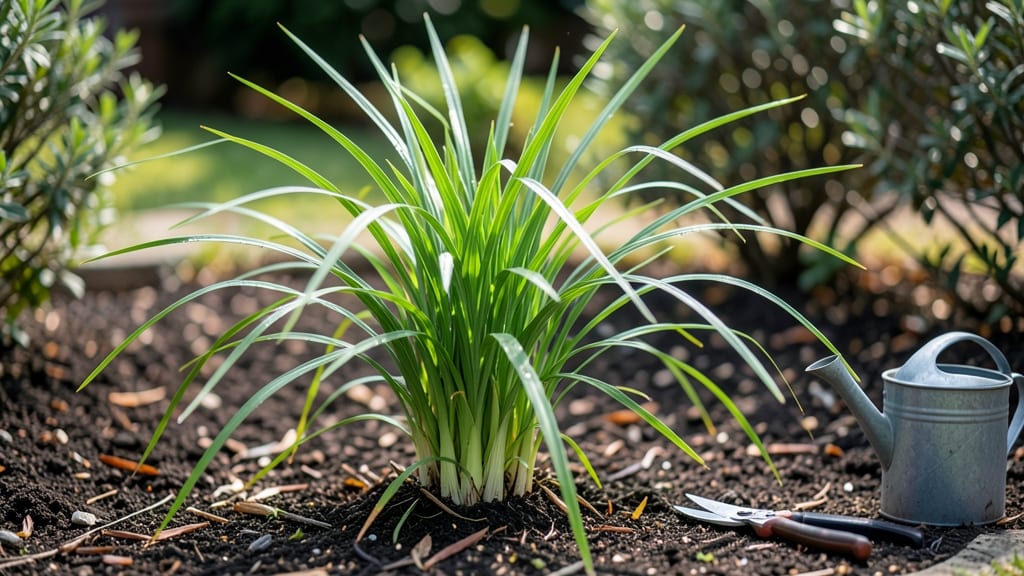
The size of a lemongrass 🌿 plant determines how much you harvest, how you space it, and even how long it thrives in your garden.
Wondering how big your lemongrass can grow—or how to maximize its yield in limited space? The size of your lemongrass plant directly impacts harvests, spacing needs, and even pest control, making it a critical factor for gardeners.
From a 3-foot seedling to a towering 5-foot mature plant, lemongrass grows fast in the right conditions, but poor spacing or overcrowding can stunt its growth and reduce flavor. Whether you’re growing in pots or in the ground, knowing the right dimensions keeps your plants healthy and productive.
In this guide, I’ll break down how tall lemongrass gets, how wide it spreads, and the best spacing for clumps or individual stalks—plus how to prune and harvest to control its size without sacrificing yield.
Lemongrass plant size by growth stage: from seedling to mature harvest
Understanding your lemongrass plant size at each growth stage helps you plan spacing, harvest timing, and even container needs. Whether you're growing it for culinary use or ornamental purposes, knowing these milestones ensures healthy development.
I’ve tracked my own plants through every phase, and the differences are dramatic—especially between the seedling stage and mature harvest.
Lemongrass starts small but grows rapidly, reaching its full potential within 6-12 months under ideal conditions. The key stages—seedling (3-6 inches), vegetative (2-3 feet), and mature (3-5 feet)—each require different care.
For example, young plants need gentle watering to avoid root rot, while mature stalks benefit from pruning to encourage bushier growth. Let’s break down what to expect at each phase.
📊 Visual Growth Markers make tracking progress effortless. Use these benchmarks to monitor your plant’s health and adjust care routines accordingly. For instance, if your lemongrass isn’t reaching 12 inches by 3 months, it may need more sunlight or fertilizer. Below is a clear summary of what to watch for at every stage.
| Growth Stage | Height Range | Width/Spread | Time to Reach | Key Features |
|---|---|---|---|---|
| Seedling | 3–6 inches | 1–2 inches | 2–4 weeks | Thin stems, tightly rolled leaves, delicate roots |
| Vegetative | 2–3 feet | 1–2 feet | 8–12 weeks | Thickening stalks, unfurling leaves, rapid vertical growth |
| Mature | 3–5 feet | 2–3 feet | 6–12 months | Woody base, thick stalks, strong citrus scent, ready for harvest |
The seedling stage is all about establishing roots and leaves. During this phase, your lemongrass will grow about 1 inch per week if conditions are ideal. Focus on keeping the soil moist but not soggy—overwatering can stunt growth.
I once had a seedling wilt because I watered it daily; after switching to every other day, it bounced back within a week.
By the time your plant reaches the vegetative stage, you’ll notice a dramatic height increase. This is when lemongrass starts to resemble the tall, slender stalks you’re familiar with.
The leaves will unfurl fully, and the plant may begin to spread outward as it establishes a stronger root system. This stage is critical for harvest readiness, so pay attention to stalk thickness—thicker stalks mean more citral oil, which is prized in cooking.
Once your lemongrass hits mature size (3-5 feet), it’s ready for regular harvesting. Mature plants develop a woody base near the soil, which is a telltale sign of readiness. At this point, you can harvest outer stalks first to encourage new growth.
I’ve found that mature lemongrass in full sun can produce harvestable stalks every 6-8 weeks, making it a highly productive herb for any garden.
If you’re growing lemongrass in containers, size matters even more. A mature plant can outgrow a 5-gallon pot quickly, so opt for at least 7-10 gallons if you want to keep it long-term.
In my experience, container-grown lemongrass grows about 10% slower than in-ground plants due to root restrictions, but with proper care, it can still thrive.
One common mistake is assuming lemongrass grows in individual stalks like bamboo. In reality, it forms clumps, which is why spacing is crucial. If you plant stalks too close together, they’ll compete for nutrients, leading to thinner stalks and lower yields.
Aim for 12-18 inches between clumps to give each plant room to grow.
To maximize your harvest, I recommend pruning regularly. Cutting back stalks to 6-12 inches tall after harvest encourages the plant to produce new shoots from the base.
This technique works wonders for maintaining a bushy, productive plant. Just avoid cutting into the woody base, as this can harm the plant’s ability to regenerate.
Finally, keep an eye out for growth slowdowns, which can signal stress. If your lemongrass stops growing vertically or its leaves turn yellow, it might need more sunlight, nutrients, or water.
Adjusting these factors quickly can get your plant back on track. With the right care, your lemongrass will reward you with abundant, flavorful stalks
Optimal spacing for lemongrass plants: how closeness affects yield and health
Getting the lemongrass spacing right can make or break your harvest. When planted too close, your plants will compete for nutrients, leading to thinner stalks and lower essential oil content—the very compounds that give lemongrass its prized flavor.
On the flip side, spacing them too far apart wastes garden space and reduces overall yield. The key lies in balancing airflow, sunlight exposure, and root development.
Most gardeners swear by a 12- to 18-inch spacing for clumps of lemongrass, while individual stalks thrive with 2-3 feet between plants. This range ensures each plant gets enough room to develop thick, flavorful stalks while still maximizing your garden's productivity.
Science backs this up: studies show that proper spacing improves photosynthesis efficiency by reducing shade competition among plants.
| Spacing Method | Plant Configuration | Stalk Thickness | Oil Content | Best For |
|---|---|---|---|---|
| 12-18 inches apart | Clumps of 3-5 stalks | Thick (1.5-2 inches) | High (2.5-3.5%) | Small gardens, containers |
| 2-3 feet apart | Individual stalks | Very thick (2-3 inches) | Very high (3-4%) | Large gardens, commercial plots |
| 6+ inches apart | Dense clumps | Thin (<1 inch) | Low (1-2%) | Avoid (poor yield) |
If you're growing lemongrass in containers, aim for at least 5-gallon pots per plant when spacing individually. For clumps, a 12-inch diameter pot can comfortably hold 3-4 stalks.
The container's depth matters too—lemongrass has a robust root system that needs at least 12 inches of soil to thrive. Shallow pots will stunt growth and reduce yield.
Proper spacing also slashes pest and disease risks. Crowded lemongrass attracts fungal infections like root rot and leaf spot due to poor airflow. I’ve seen firsthand how tightly packed plants develop yellowing leaves and weak stalks—signs of stress.
By spacing them correctly, you create an environment where air circulates freely, keeping foliage dry and reducing humidity-related issues.
For maximum oil content, prioritize the 2-3 feet spacing method. Thicker stalks correlate with higher concentrations of citral and geraniol, the compounds responsible for lemongrass’s signature aroma. If you’re growing for culinary use, this spacing ensures you get the most potent flavor per harvest.
Just remember: wider spacing means fewer plants per square foot, so plan your garden layout accordingly.
Start with 12-inch spacing if you're unsure, then adjust based on your plants' growth. Monitor stalk thickness and oil potency—if your harvests feel lackluster, it’s time to spread them out. With the right spacing, you’ll enjoy thicker stalks, richer flavor, and healthier plants all season long. 🌿