
How To
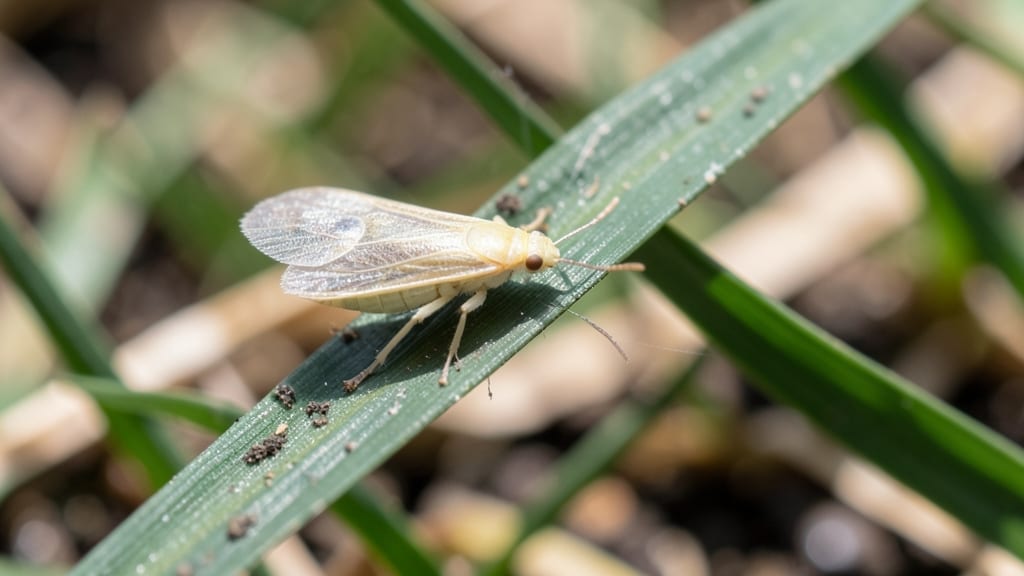
Whiteflies turning your grass into a sticky, speckled mess? 🌱 I’ve battled these tiny pests in my own lawn, and the key is a neem oil spray that knocks them out in 3-5 days—no harsh chemicals needed.
These sap-sucking insects don’t just target grass; they’ll move to nearby plants, so fast action is everything.
The problem starts when whiteflies cluster on grass blades, leaving behind a sugary residue that fuels sooty mold. Most store-bought sprays miss the mark because they don’t address the root cause—your lawn’s vulnerability.
The solution? A homemade spray with neem oil, insecticidal soap, and a splash of dish soap to break their protective layer.
By day three, you’ll see fewer flutters, and your grass will start recovering its vibrant green. The spray works on nearby plants too, making it a two-for-one fix for your entire yard. Plus, it’s safe for pets and kids once fully dried—just avoid spraying on hot days.
Prevention is easier than cleanup: keep your lawn mowed, water deeply but infrequently, and introduce beneficial wasps like Encarsia formosa to hunt them naturally. The secret? Act fast—whiteflies multiply faster than you can say “sooty mold.” Let’s get your grass back to lush.
Root Causes Of Whitefly Infestations
Whiteflies may seem like tiny, harmless pests, but they thrive in specific conditions that turn your grass into their perfect breeding ground. Understanding these triggers is the first step to reclaiming your lawn. Let’s break down the science behind why these pests invade your grass—and how you can prevent it.
Whiteflies love damp environments because excess moisture creates ideal conditions for their larvae to develop.
Here’s why: - Stagnant water traps humidity near the soil, making it easier for whitefly eggs to hatch and thrive. - Poor drainage in clay-heavy soil keeps roots soggy, signaling to pests that the area is a safe haven. - Overhead irrigation (like sprinklers) can spread whitefly eggs across your lawn, accelerating infestations.
💡 Pro Tip: Water deeply but infrequently—early morning is best—to reduce standing water and discourage whitefly activity.
Healthy grass repels pests, but when your lawn is under stress, whiteflies move in like unwelcome guests.
Common stressors include: - Nutrient deficiencies (low nitrogen, phosphorus, or potassium) weaken grass roots, making them vulnerable. - Disease or fungal infections (like brown patch or dollar spot) create entry points for pests. - Compacted soil restricts root growth, leaving grass unable to fight off invaders.
🌱 Solution: Aerate compacted soil, test your lawn’s pH, and fertilize with a balanced formula to restore vigor.
Whiteflies are tropical insects—they adore heat and humidity (think 75–90°F with 70%+ moisture).
Here’s how climate plays a role: - Summer peaks: Infestations surge when temperatures rise, as whiteflies reproduce rapidly in warm conditions. - Southern U.S. hotspots: States like Florida, Texas, and California see year-round activity due to their mild winters. - Greenhouse effect: Dense grass can trap heat, mimicking a greenhouse and speeding up their lifecycle.
⚠️ Watch Out: If you live in a humid region, monitor your lawn closely during summer—preventive sprays may be necessary.
Whiteflies don’t just target grass—they feast on hundreds of plants, including:
- Weeds (like clover or dandelions) act as food sources and breeding grounds.
- Landscaping plants (e.g., hibiscus, poinsettias, or citrus trees) can harbor whiteflies that later migrate to grass.
- Compost piles or mulch provide shelter for eggs and adults.
🔍 Inspect Nearby Areas: Trim overgrown plants, remove weeds, and keep mulch at least 6 inches away from grass edges to break their lifecycle.
Ironically, some pesticides can make whitefly problems worse by:
- Killing natural predators (like ladybugs or lacewings) that keep populations in check.
- Creating resistant strains—overusing broad-spectrum insecticides can evolve "super whiteflies" that shrug off treatments.
- Disrupting soil microbes that help grass stay healthy and resilient.
🚫 Avoid: Harsh synthetic sprays; opt for targeted, organic solutions like neem oil or insecticidal soap instead.
Stagnant air in thick, unkempt grass creates a whitefly paradise because:
- Low airflow traps heat and moisture, speeding up their reproduction.
- Dense turf blocks sunlight, weakening grass and making it easier for pests to take hold.
- Shady or sheltered spots (like under trees) stay damp longer, extending their breeding season.
🌬️ Fix It: Thin out overgrown grass, prune nearby shrubs, and ensure your lawn gets at least 6 hours of sunlight daily to dry out quickly.
Whiteflies don’t just appear—they’re drawn by specific conditions in your grass. By addressing moisture, stress, climate, nearby plants, chemical use, and airflow, you can starve them out before they become a full-blown problem.
The good news? Once you identify the root cause, natural remedies and lawn care tweaks can send them packing—fast.
Natural Fixes That Work Fast
Whiteflies in your grass can feel like a never-ending battle, but the good news is that targeted, eco-friendly solutions can turn things around—often in just a few days.
The key is matching the right fix to the root cause, whether it’s overwatering, poor drainage, or an infestation spreading from nearby plants. Below, we break down practical, step-by-step fixes for each common trigger, plus prevention tips to keep your lawn whitefly-free long-term.
If your grass is soggy or waterlogged, whiteflies thrive in the damp, nutrient-rich environment. Adjusting your watering habits and improving drainage is the first line of defense.
💧 Step 1: Adjust Your Watering Schedule
Whiteflies love excess moisture, so cut back on watering until the soil dries out.
Follow these rules: - Water deeply but less frequently—aim for 1–1.5 inches per week (including rain). - Water in the early morning (before 10 AM) to reduce humidity overnight. - Avoid overhead sprinklers—they encourage fungal growth, which attracts whiteflies. Use soaker hoses or drip irrigation instead.
🏗️ Step 2: Improve Drainage in Compacted Soil
If water pools on your lawn after rain, the soil may be compacted. Aerate to let air and water flow freely: 1. Rent a core aerator (or hire a lawn service) to pull small soil plugs from your lawn.
- Top-dress with compost (¼ inch) to improve soil structure.
- Overseed bare spots with a whitefly-resistant grass blend (like tall fescue or zoysia).
🌿 Pro Tip:
💡 Test your soil’s drainage—dig a 6-inch hole, fill it with water, and time how long it takes to drain. If it’s slower than 6 hours, you’ve got a drainage issue.
If you’ve spotted tiny white flies buzzing near your grass or sticky residue (honeydew) on blades, you’re dealing with an active infestation. Natural sprays and traps can eliminate them in 3–7 days without harming pets or kids.
🔥 Step 1: Use a DIY Neem Oil Spray (Best for Light Infestations)
Neem oil disrupts whitefly life cycles and is safe for organic lawns. Recipe:
- 1 tbsp neem oil
- 1 tsp mild liquid soap (as an emulsifier)
- 1 quart water
- Optional: 1 tsp horticultural oil for extra potency
How to apply: 🍳 Mix in a spray bottle, shake well, and spray both sides of grass blades (whiteflies hide underneath). 👨🍳 Reapply every 5–7 days until flies are gone (usually 2–3 treatments). ⏰ Best time to spray: Early morning or late evening (avoid direct sun).
🕷️ Step 2: Set Up Yellow Sticky Traps (Catch Them Alive!)
Whiteflies are drawn to yellow, so traps can reduce populations fast. How to make them: 1. Cut yellow cardboard or plastic into 8x10-inch squares.
- Coat with petroleum jelly or sticky trap glue (available at garden stores).
- Place traps near infested areas (stake them into the ground).
💡 Pro Tip: Replace traps every 3–4 days—once they’re full, they stop working!
🌡️ Step 3: Introduce Beneficial Insects (Long-Term Control)
Ladybugs, lacewings, and parasitic wasps eat whiteflies naturally. Buy them online or from garden centers and release them in the evening (they’re most active at dawn/dusk).
✨ Where to find them:
- Ladybugs: Garden Safe Ladybugs
- Lacewings: Arborjet Beneficial Insects
Once you’ve kicked the infestation, keep your lawn whitefly-free with these low-effort habits:
| Problem | Fix It With… | How Often |
|---|---|---|
| Weak, thin grass | Overseed with disease-resistant grass | Fall & early spring |
| Weeds & debris | Remove weeds & clean thatch layer | Weekly (spring/summer) |
| Overwatering | Adjust sprinklers to water deeply | Check weekly |
| Fungal growth | Apply fungicide (like copper soap) | As needed |
| Nearby infested plants | Quarantine affected plants 20+ ft away | Immediately |
🎯 Bonus: Mow high (3–4 inches)—taller grass shades out whitefly eggs and promotes deeper roots.
Final Thought: Whiteflies may be pesky, but with the right cause-specific fixes, you can eliminate them in days and prevent future outbreaks with minimal effort.
Start with drainage fixes, then attack the infestation with neem oil or traps, and keep your lawn strong to outcompete pests naturally. 🚀
Frequently asked questions
Why do whiteflies keep coming back even after I treat them?
Whiteflies often return if their favorite plants or conditions remain unchanged. Check for nearby weeds, overwatered areas, or poor drainage that creates their ideal environment. Remove weeds, adjust watering, and use sticky traps to catch stragglers before they reproduce again.
Is neem oil safe for my lawn and pets after application?
Yes, once fully dried (typically 24 hours), neem oil is safe for pets and children. However, avoid spraying on hot days or when pets will walk on treated areas immediately. Always test a small patch first and rinse off pets' paws after outdoor play.
Can I use dish soap alone to kill whiteflies in grass?
Dish soap can help, but it's not as effective alone. A mix of 1 tsp mild dish soap + 1 quart water disrupts their protective coating, but for best results, combine it with neem oil or insecticidal soap. Reapply every 3-4 days until flies disappear.
How do I know if my grass has whiteflies or just aphids?
Whiteflies are tiny (1/16 inch), white, and flutter away when disturbed. Aphids are usually green/black and stay put. Look for sticky honeydew residue on grass blades—a sure sign of whiteflies. Aphids rarely produce this sticky mess.
Will yellow sticky traps work in windy conditions?
Sticky traps work best in calm conditions, but they can still help in light winds. For windy areas, use smaller traps (4x6 inches) and place them near grass edges where whiteflies cluster. Replace them every 3 days to maintain effectiveness.