
Lawn
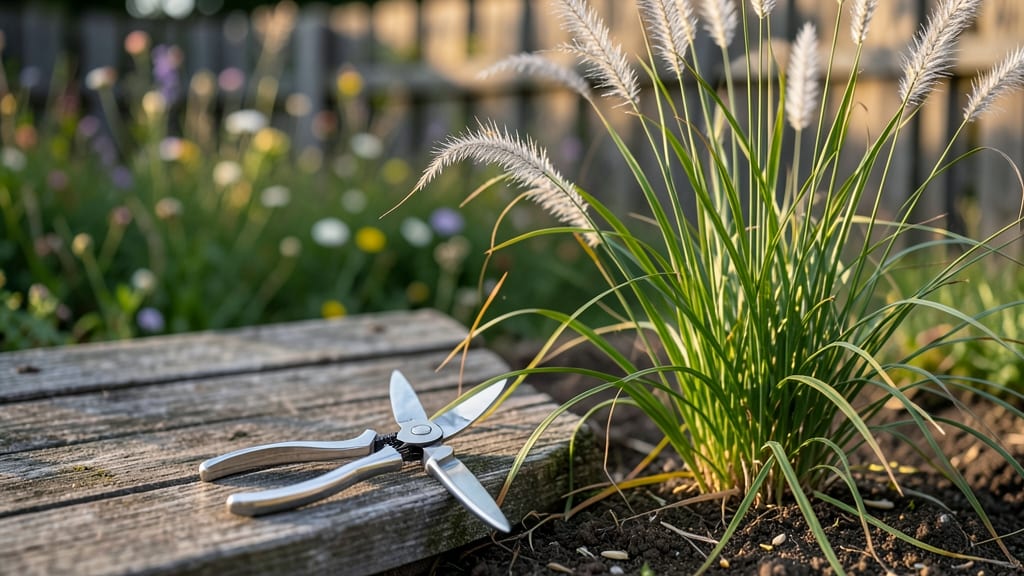
Cutting down ornamental grass isn't just about trimming—it’s about unlocking next year’s growth. ✂️ I’ve learned the hard way that timing and technique make all the difference between a neat, healthy clump and a struggling mess.
The right approach keeps your grass looking sharp while protecting its roots and encouraging fresh, vibrant shoots in spring.
You’ll need just a few tools: sharp pruners or hedge shears for clean cuts, gloves to protect your hands, and a sturdy tarp to collect clippings. The best time to trim depends on your grass type—cool-season grasses go dormant in winter, while warm-season varieties need a late-winter haircut.
I always wait until the ground is dry and the grass has stopped growing for 3-4 weeks.
Start by removing any dead or damaged foliage first—this keeps your grass healthy and prevents disease. Then, cut back the remaining growth by one-third to one-half, leaving a few inches of stubble to protect the crown.
For a polished look, trim in straight lines or gentle curves, but never cut into the woody base. The result? A clean, defined shape that stays vibrant all season.
After trimming, rake away debris and consider adding a light layer of compost to feed the soil. Avoid over-trimming—this stresses the plant and can stunt growth. With the right care, your ornamental grass will bounce back stronger than ever, ready to add texture and movement to your landscape.
Here’s how to keep it thriving year-round!
📚 In This Guide
- What you need
- Instructions
- Tips and common mistakes
- Wrapping up and next steps
What you need
- ● Pruning Shears or Hedge Shears: Bypass-style shears (for clean cuts) – 1 pair
- ● Bypass or anvil shears (for thicker stalks) – 1 pair
- ● Look for ergonomic handles and sharp, durable blades (e.g., Felco or Fiskars).
- ● Heavy-Duty Pruners or Loppers: For thicker stalks (1/2" to 2" diameter) – 1 pair
- ● Choose bypass-style for cleaner cuts (e.g., Corona or Bahco).
- ● Grass or Hedge Trimmers: Electric or battery-powered trimmer (for large areas) – 1 unit
- ● Look for adjustable height settings and sharp blades (e.g., EGO or Worx).
- ● Safety Gear: Work gloves (cut-resistant) – 1 pair
- ● Safety goggles – 1 pair
- ● Long sleeves/pants (to protect from scrapes).
- ○ Optional (But Helpful!) Extras: Knee pads – for comfort during prolonged trimming.
- ● Rake or leaf blower – to clear debris afterward.
- ● Spray bottle with water – to dampen dry grass before cutting (reduces dust).
- ● Disposable bags – for easy cleanup of clippings.
Step-by-step instructions for cutting down ornamental grass
Mastering this technique transforms your yard from wild to sculpted—here's how I do it every season.
✂️ Step 1: Time Your First Cut for Seasonal Health
Ornamental grasses thrive when you cut them back at the right moment. For most varieties, the ideal time is late winter to early spring—just before new growth begins but after the first hard frost has passed. You'll know it's time when you see the dormant stalks standing stark against the snow or when you notice fresh green shoots at the base.
Never cut back in fall unless your region has mild winters—dormant grasses provide winter interest and insulation for beneficial insects. If you must trim in fall, wait until after the first frost when foliage has naturally browned. For tropical grasses, cut back after they've died back completely in winter.
🪴 Step 2: Gather the Right Tools for Clean Cuts
Sharp tools make all the difference. I use a heavy-duty pruner for thick clumps and a horticultural saw for really stubborn stalks over 3 feet tall. A bowl-shaped pruner works well for smaller varieties. Never use regular scissors—they'll crush the stems and leave jagged edges that invite disease.
Wear thick gloves—ornamental grass blades can be razor-sharp, especially after frost. I also keep a small broom handy to sweep up debris afterward. The goal is to remove 80-90% of the previous year's growth, leaving just a 2-3 inch stubble above the ground to protect the crown from cold snaps.
☀️ Step 3: Cut Strategically for Next Season's Growth
Start by removing any dead or damaged stalks first—they'll only take up space and attract pests. For upright grasses like Miscanthus or Pennisetum, cut the entire clump down to 3-4 inches above the ground. This encourages fuller, bushier regrowth next season by stimulating multiple shoots from the base.
For spreading grasses like Carex, shear horizontally at a 2-3 inch height to maintain their natural ground-hugging shape. If your grass has seed heads, leave them until they've fully dried and turned brown—these provide winter interest and food for birds. Only remove them if they're truly unsightly or interfering with new growth.
🌱 Step 4: Clean Up and Maintain Year-Round
After cutting, gather all debris and remove it from the garden bed—leaving old growth can harbor pests and diseases. I use a leaf blower for large areas or a garden rake for smaller sections. The clean sweep also prevents fungal spores from overwintering in your grass clumps.
Water lightly after trimming if your region is experiencing dry conditions. The fresh cuts will be more vulnerable to stress, and a deep soak helps establish new growth. For the first 2-3 weeks, keep an eye out for yellowing leaves—this usually means the plant needs more moisture or is struggling with transplant shock if it's newly planted.
⏰ Step 5: Schedule Seasonal Maintenance Trims
Once your grasses are established, you'll only need one major trim per year, but I recommend light maintenance cuts throughout the growing season. In early summer, trim any overly leggy growth by one-third to encourage denser foliage. In late summer, you can do a light shape-up to remove any straggly stems before they go to seed.
Real talk: Don't over-trim in summer. Cutting back too aggressively when the plant is actively growing can stress it and reduce its ability to handle winter. If you notice your grass looking too sparse, it's better to leave it and focus on fertilizing in early spring instead.
Tips & tricks for perfect ornamental grass trimming
These precision-focused tips will help you achieve that polished, professional look without sacrificing plant health.
Seasonal Timing Secret: The late winter to early spring window is critical because it aligns with the plant's natural dormancy period. I've found that waiting until you see fresh green shoots at the base—rather than relying strictly on the calendar—gives you the perfect moment. This timing ensures you're cutting back just as the plant is about to burst with new growth, setting it up for the most vigorous regrowth. For tropical varieties, wait until they've completely died back, which usually happens after the first hard frost in colder climates.
Tool Selection Strategy: Don't underestimate the importance of your tools. I've learned the hard way that regular scissors create jagged cuts that invite disease. For most ornamental grasses, a heavy-duty pruner is your best friend—it gives you clean cuts through those tough stalks. For anything over 3 feet tall, invest in a horticultural saw. Pro tip: Sharpen your tools before you start. A dull blade crushes rather than cuts, which can damage the plant tissue and leave it vulnerable to infection. I keep my pruners sharpened with a file and my saw blade honed with a dedicated sharpening stone.
Cutting Height Technique: The 2-3 inch stubble recommendation isn't arbitrary—it's about protecting the crown while still allowing sunlight to reach the base. For upright grasses like Miscanthus, I cut to about 3-4 inches to encourage that bushier regrowth. The key is to visualize where the new shoots will emerge from the base. If you cut too low, you risk damaging the crown; if you leave too much, you'll get leggy growth. For spreading varieties like Carex, maintain that 2-3 inch height to preserve their natural ground-hugging form. I always make a mental note of where the new growth appears in the previous season to guide my cuts.
Post-Trimming Care: After you've made your clean cuts, the cleanup is just as important. I've seen too many gardeners leave the debris behind, thinking it'll decompose naturally. But that old growth can harbor fungal spores and pests that will attack your fresh cuts. Use a leaf blower for large areas or a sturdy rake for smaller sections to completely remove all debris. Then, give your grass a deep soak—about 1 inch of water—to help it recover from the stress of trimming. This is especially important during dry spells or if you've recently transplanted your grasses. The first 2-3 weeks are critical for establishing new growth, so keep an eye out for any yellowing leaves as a sign the plant needs more moisture.
Pro Tips for Cut Down Ornamental Grass
- These precision-focused tips will help you achieve that polished, professional look without sacrificing plant health.
- Seasonal Timing Secret: The late winter to early spring window is critical because it aligns with the plant's natural dormancy period.
- Tool Selection Strategy: Don't underestimate the importance of your tools.
Frequently asked questions
Got questions about trimming ornamental grass? You’re not alone! Here are answers to the most common concerns—from timing to tools and everything in between.
When is the best time of year to cut down ornamental grass?
For most ornamental grasses, the ideal time to trim is late winter or early spring before new growth begins (around February–March in most climates). Cutting back in late winter removes dead foliage, making way for fresh growth. Never trim in fall—this can harm the plant’s winter dormancy. For evergreen varieties, a light trim in late winter suffices.
Can I use regular lawnmower blades to cut ornamental grass?
While possible, dedicated hedge shears or sharp pruners are better for ornamental grass. Lawnmower blades can tear leaves, leaving a messy look. For tall varieties (like Miscanthus or Pennisetum), use bolt cutters or loppers for clean cuts. Always adjust the blade height to avoid scalping the base.
What if I skip cutting ornamental grass for a year?
Skipping a year won’t kill your grass, but untrimmed clumps can look unkempt and may harbor pests or disease. Over time, old foliage can also block sunlight from reaching the base. If neglected, cut back in stages—never remove more than ⅓ of the plant at once—to avoid stressing it. A deep trim in late winter will revive its shape.
How short should I cut ornamental grass?
Leave 3–6 inches of growth above the base (or crown) to protect the plant. Cutting too short can damage the growing point. For most varieties, aim to reduce height by half—so if it’s 4 feet tall, trim to 2 feet. Never cut into the hard, woody stem at the base, as this won’t regrow.
What do I do if my ornamental grass looks brown and dead after trimming?
Brown patches after trimming are normal for deciduous grasses (they die back in winter). If it’s evergreen and stays brown, check for over-trimming, pests, or disease. Water deeply after cutting to reduce stress. If the base is still green, the grass will bounce back in spring. For persistent issues, fertilize lightly in early spring.
Pro Tip:
Label your ornamental grasses before trimming! Some varieties (like Carex or Fountain Grass) have unique shapes—cutting them too short can alter their signature look. A quick photo or marker helps you remember their natural form.
Wrapping up and next steps
Cutting down ornamental grass doesn’t have to be a daunting task—with the right tools, techniques, and timing, you can keep your landscape looking sharp all year long. Remember to trim at the right height, use sharp blades, and clean up thoroughly to avoid pests or disease.
Whether you’re tackling a small patch or a sprawling garden, a little precision goes a long way!
Ready to take the next step? Grab your shears, put on your gardening gloves, and give your ornamental grass the fresh start it deserves! 🌿✨