
Pruning
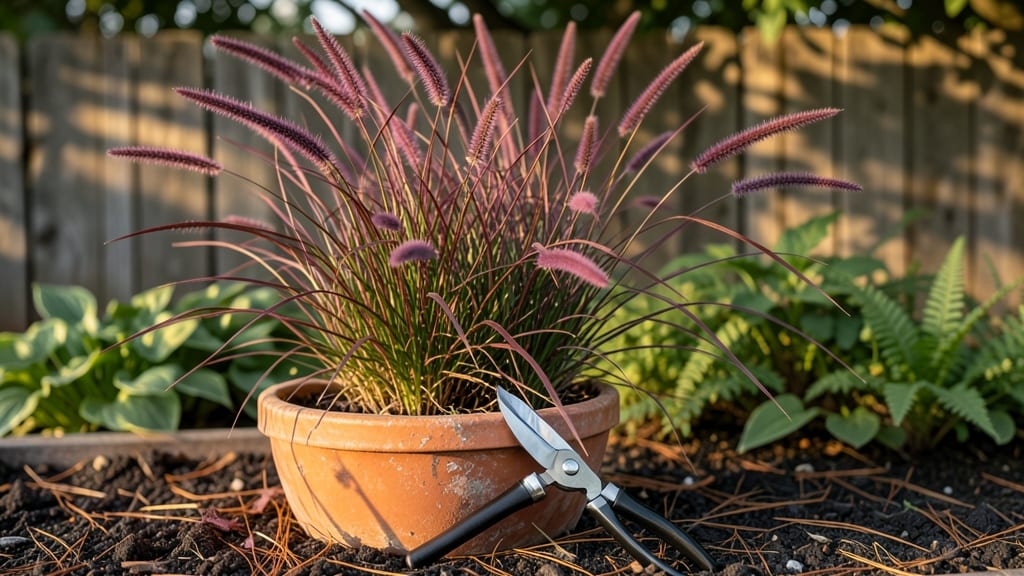
Late-winter is the perfect time to cut back purple fountain grass—this simple step transforms its wild, floppy look into dense, bushy growth by spring. 🌿 I’ve pruned mine every year since moving in, and the difference is shocking: what once looked like a tangled mess now stands tall and vibrant by May.
The key is timing and technique—cut too early or too late, and you’ll either shock the plant or miss the best regrowth window.
You’ll need just three things: sharp pruning shears (or a clean hedge trimmer), gloves to protect your hands from the sharp edges, and a clear day to work—this isn’t a job for wet or windy conditions.
The goal is to reduce the grass by about one-third to one-half of its height, cutting just above the lowest healthy growth. Think of it like giving your plant a fresh haircut: you want to encourage new, fuller growth, not bare stems.
What you’ll end up with is a neat, upright clump that looks intentional, not neglected. The new shoots emerge bright green and vigorous, eventually turning back to that signature purple hue.
By late spring, your fountain grass will be the showstopper of the garden—bushier, fuller, and ready to handle summer’s heat without flopping over. The best part? This one task takes less than 20 minutes and makes a huge visual impact.
If you’ve ever stared at your purple fountain grass in late winter and thought, “This could be better,” this is your sign. The process is foolproof, and even if you make a mistake (like cutting too low), the grass recovers surprisingly well.
Just avoid pruning in fall or during active growth periods—late February to early March is the sweet spot for most climates. Ready to give it a try?
📚 In This Guide
- What you need
- Instructions
- Tips and common mistakes
- Wrapping up and next steps
What you need
- ● Pruning shears or hedge clippers: Sharp, heavy-duty shears (bypass or anvil style) to cut through thick stems cleanly. Pro tip: 💡 Disinfect blades with rubbing alcohol to prevent disease spread.
- ● Loppers: For thicker stalks (if your grass has grown overly dense). Look for bypass loppers (4–6 inches) for precision cuts.
- ● Garden gloves: Heavy-duty, cut-resistant gloves (e.g., mechanized or leather) to protect hands from sharp edges and sap.
- ● Rake or stiff-bristle broom: To clear away debris after pruning. A bow rake works well for larger areas.
- ○ Garden twine or burlap sacks: (Optional) To bundle and dispose of clippings neatly.
- ● Pruning saw: (For stubborn, woody stalks) A curved-blade pruning saw for clean cuts without tearing.
- ● Safety glasses: Protect your eyes from flying debris.
- ● Long sleeves/pants: Wear layers to shield against scratches and sap irritation.
- ○ Knee pads: (Optional) If you’ll be kneeling or working in awkward positions.
- ● Trash bags: Heavy-duty contractor bags (30–50 gallon) for easy disposal of clippings.
- ● Garden hose or spray bottle: To rinse tools and hands post-pruning.
- ● Dry, calm day: Avoid pruning if rain is forecasted within 24 hours.
- ● Temperature: Ideal range: 50–70°F (10–21°C). Cooler mornings are best to reduce stress on the plant.
- ● Sun protection: Sunscreen and a hat if working in full sun.
Step-by-step instructions for cutting back purple fountain grass
Here’s how to give your purple fountain grass a fresh start for lush, bushier growth all season.
✂️ Step 1: Time Your Cut for Perfect Renewal
Wait until late winter, just as new growth begins to peek through the old foliage. This is usually 4-6 weeks before your last frost date, when temperatures consistently stay above 40°F. Cutting too early can leave your plant vulnerable to cold damage, while waiting too long risks smothering new shoots.
Check for pale green shoots at the plant’s base—this is your signal. If you see them, it’s time. I like to cut in early March in most climates, but adjust based on your local frost dates. Avoid cutting in fall or winter when the plant is dormant.
🪴 Step 2: Gather Your Tools and Prep the Area
You’ll need sharp pruning shears (clean and sterilized with rubbing alcohol) and thick gardening gloves to protect your hands from sharp edges. Purple fountain grass has tough, fibrous blades, so dull tools will tear rather than cut cleanly. Spread a drop cloth or tarp beneath the plant to catch debris—this makes cleanup easier and keeps your yard tidy.
Water the grass 24 hours before cutting to soften the blades slightly. This makes them easier to trim and reduces the chance of tearing. Avoid cutting when the grass is wet or frozen—both make the job messy and harder on your tools.
✂️ Step 3: Cut Back to the Right Height
Use your pruning shears to trim the entire plant back by about one-third of its height. This encourages bushier growth by removing old, leggy stems and redirecting energy to new shoots. For most purple fountain grass varieties, this means cutting back to about 6-8 inches tall, but adjust based on your plant’s size—smaller clumps can be cut slightly lower.
Make clean, straight cuts just above a leaf node (the small bump where leaves grow). Avoid leaving stubby, uneven cuts, as they can invite disease. If your grass is particularly overgrown, you can trim it back in two stages—first cutting halfway, then finishing a week later. This gives the plant time to adjust.
💧 Step 4: Clean Up and Fertilize for New Growth
Remove all the clippings from the area to prevent pests or disease from lingering. I like to compost the trimmings—they break down quickly and add nutrients back to the soil. After cleanup, apply a balanced, slow-release fertilizer (like a 10-10-10 formula) around the base of the plant. This gives your grass the nutrients it needs to bounce back strong.
Water deeply after fertilizing to help the granules settle into the soil. Keep the soil evenly moist (not soggy) for the first 2-3 weeks after pruning. You’ll see new growth within 3-4 weeks—watch for fresh, vibrant purple shoots pushing through the center. If you don’t see regrowth after 6 weeks, your plant may need more sunlight or better drainage.
☀️ Step 5: Monitor and Maintain for Year-Round Beauty
Once new growth appears, reduce watering slightly to encourage thicker stems. Purple fountain grass thrives in full sun to partial shade, so if your plant looks pale or leggy, it might need more light. In hot climates, provide afternoon shade to prevent scorching.
Repeat the cutting-back process once a year in late winter to keep your grass lush and full. With proper care, your purple fountain grass will reward you with dense, vibrant foliage that adds color and texture to your landscape all season long.
Tips & tricks for perfect purple fountain grass renewal
Revitalizing your purple fountain grass is easier than you think—these pro tips will help you avoid common mistakes and get the best results every time!
Timing is Everything: The 24-hour watering window before cutting is your secret weapon. This softens the tough, fibrous blades so they glide through your pruning shears instead of tearing. I've learned the hard way—skipping this step means struggling with stubborn, jagged cuts that can damage your plant. Water in the morning so the blades have time to dry slightly before cutting, which prevents slippery messes.
Precision Cutting Technique: When you're cutting back to that 6-8 inch mark in Step 3, look for the leaf nodes—those little bumps where new growth emerges. Cut just above them at a slight angle to create a natural water runoff path. This prevents water pooling at the base, which can cause rot. For overgrown plants, the two-stage approach really works—first cut removes the bulk, then the second cut refines the shape without shocking the plant.
Fertilizer Application Hack: After pruning, don't just sprinkle that 10-10-10 fertilizer randomly. Create shallow trenches around the base of the plant and place the granules in these trenches, then lightly cover with soil. This directs nutrients straight to the roots where new growth is happening. Water immediately after to activate the fertilizer—this is when the magic happens for those vibrant purple shoots you'll see in 3-4 weeks.
Post-Pruning Care: That 2-3 week moist-but-not-soggy watering schedule is crucial, but don't forget about humidity. If your climate is dry, give your plant a light misting in the mornings during this period. The extra moisture helps the new shoots establish quickly. I've noticed my plants recover faster when I combine this with a weekly foliar spray of diluted seaweed extract—it gives them that extra boost without overwhelming the roots.
Pro Tips for Cutting Back Purple Fountain Grass
- Revitalizing your purple fountain grass is easier than you think—these pro tips will help you avoid common mistakes and get the best results every time!
- Timing is Everything: The 24-hour watering window before cutting is your secret weapon.
- Precision Cutting Technique: When you're cutting back to that 6-8 inch mark in Step 3, look for the leaf nodes—those little bumps where new growth emerges.
Frequently asked questions
Got questions about trimming your Pennisetum purpureum (purple fountain grass) to perfection? Here are some of the most common concerns—and their solutions—to keep your ornamental grass thriving!
When is the best time to cut back purple fountain grass?
The ideal window is late winter (just before new growth emerges) or early spring. This timing removes dead foliage, encourages fresh shoots, and prevents disease. Avoid cutting in fall—wait until after frost to protect the plant’s dormancy.
How short should I cut it back?
Aim to trim the grass down to 4–6 inches above the ground. This height ensures you remove dead growth while leaving enough energy for regrowth. Avoid cutting too low—it can stress the plant and reduce bushiness.
Can I cut it back in fall instead of winter?
While you can trim in fall, it’s not ideal. Cutting too early disrupts the plant’s natural dormancy cycle. If you must, wait until after the first hard frost and leave at least 2–3 inches of stubble to protect the crown from cold damage.
What if my purple fountain grass looks sparse after cutting?
Sparse growth often means the plant needs more nutrients or sunlight. After pruning, apply a balanced fertilizer (10-10-10) and ensure it gets 6+ hours of sun daily. Overcrowded roots? Divide the clumps in early spring to boost vigor.
Is it safe to cut back in cold or rainy weather?
Avoid trimming during freezing temps or heavy rain—wet grass can harbor fungal diseases, and cold stress weakens the plant. Wait for a dry, mild day (above 40°F) for the cleanest cut and fastest recovery.
Wrapping up and next steps
Cutting back your purple fountain grass in late winter isn’t just about tidying up—it’s your secret weapon for vibrant, bushier growth all season long! 🌿 With the right tools, timing, and technique, you’ll transform that once-tangled mess into a lush, eye-catching focal point.
Remember: patience and precision are key, but the payoff is worth every snip.
Ready to give your grass a fresh start? Grab your pruners and schedule that late-winter trim—your garden (and future self) will thank you! For extra flair, consider mulching or fertilizing afterward to supercharge those new shoots. Happy pruning!