
Lawn
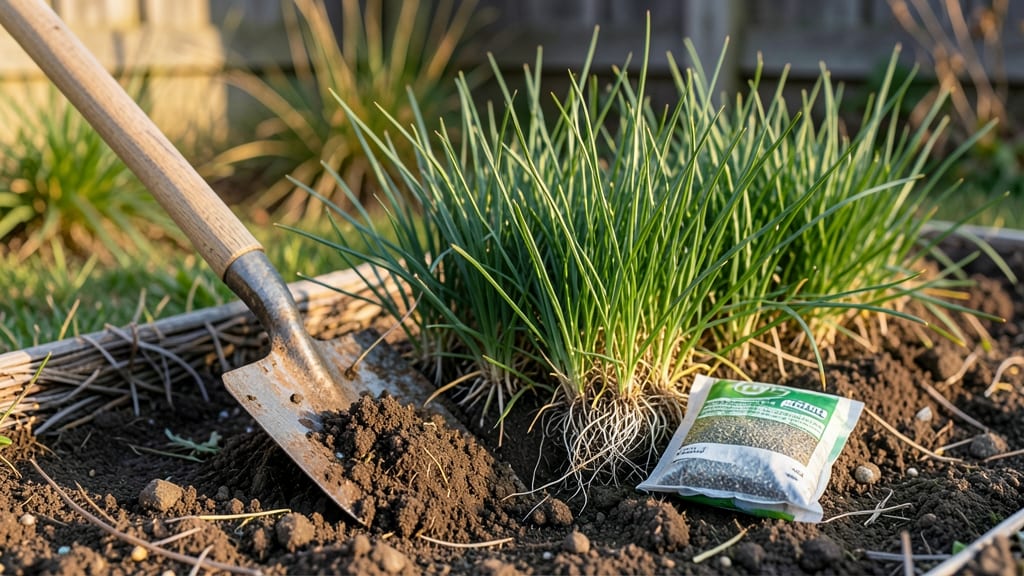
Wondering how late in the fall can you plant grass before your first frost for strong root growth?
Wondering if your fall lawn project can still succeed? Planting grass too late in the season can leave your yard patchy and weak—but timing it right ensures strong root growth before the first frost.
Here’s exactly how late you can plant grass in your USDA zone for a lush spring lawn.
In cooler northern zones like 6a, aim to finish by mid-October, while southern climates can stretch planting until early November. The key is soil temperature: roots need 50-60°F to establish before winter dormancy sets in.
Below, I’ll break down zone-specific deadlines, the best grass varieties for late fall, and how to protect seedlings from early frosts—so you can avoid a thin, struggling lawn next spring.
USDA zone-specific fall grass planting deadlines by region
Fall is the perfect time to plant grass if you want a thick, resilient lawn by spring—but timing matters. Cool-season grasses like tall fescue and ryegrass need 4-6 weeks before the first frost to establish roots.
Warm-season grasses like bermuda or zoysia should be planted earlier in the season. Your USDA zone determines your exact deadline, so let’s break it down by region.
In northern climates (Zones 3-6), frost arrives early, often by mid-October. This means your last chance to plant is typically mid-September for cool-season grasses.
In southern climates (Zones 7-10), milder winters allow for later planting—sometimes as late as November or December—but warm-season grasses must be planted by late summer to avoid heat stress.
Soil temperature is the real deadline. For cool-season grasses, aim for 50-65°F soil temps—below 40°F, germination stops. Warm-season grasses need 65-75°F for root growth. Use a soil thermometer to check before planting. If temps drop too fast, your grass won’t thrive.
Here’s how late you can plant grass in your zone, including frost risk factors and ideal soil conditions:
If you’re in Zone 5 or higher, you might still get away with planting cool-season grass in early October, but expect slower growth. For Zones 9-10, warm-season grasses like bahia or centipede can handle late fall planting if soil stays warm.
Always check your local frost dates—they can vary by 1-2 weeks even within the same zone.
Pro tip: If you’re pushing the deadline, use a lightweight row cover to protect seedlings from early frosts. This can extend your planting window by 2-3 weeks in marginal zones.
Just remove it during the day to avoid overheating. Pair this with consistent watering (1 inch per week) to keep soil moist but not soggy.
For northern zones (3-6), focus on tall fescue or fine fescue—they tolerate cold better than Kentucky bluegrass. In southern zones (7-10), St. Augustine or palmetto grasses thrive with late planting. Choose varieties labeled "cold-hardy" if you’re near the edge of your zone’s limits.
One common mistake? Planting too close to frost and expecting spring growth. Grass planted 3 weeks before frost may survive but won’t establish deep roots. Aim for 6 weeks if possible, or accept a thinner lawn until next spring.
Use a soil thermometer to monitor temps—if they drop below 40°F, germination halts completely.
Ready to plant? Start by testing your soil pH (ideal: 6.0-7.0 for most grasses). Amend with compost or peat moss if needed, then rake the seedbed to a 1/4-inch depth. Lightly water to settle seeds, then keep soil moist until sprouts appear (7-21 days, depending on
Signs your fall grass planting is too late (and how to fix it)
Fall is the perfect time to plant grass—if you do it right. But when the cool weather creeps in and the days grow shorter, you might wonder: Is it too late? The truth is, planting grass too late can leave your lawn struggling to establish roots before hard frosts hit.
If your seedlings look weak or germination is slow, it’s time to act.
One of the first red flags is slow germination. If your grass seeds take longer than 10-14 days to sprout, the soil may be too cold for optimal growth.
Another warning sign is weak, spindly seedlings that struggle to stand upright. These are classic signs your planting window is closing fast.
🚨 callout warning ⚠️
USDA Zones 3-5: Stop planting by mid-September—soil temps drop below 50°F by October. USDA Zones 6-7: Push to late October but aim for 60°F soil for root growth. USDA Zones 8-10: Plant until November, but watch for first frost dates—roots need 4-6 weeks to establish.
If you’re already seeing frost damage on new seedlings, don’t panic. The good news is that cool-season grasses like tall fescue and ryegrass can handle light frosts once established. But if your lawn looks patchy or yellowing, it’s time to take action.
A thick layer of straw mulch (1/4 inch) can insulate seeds and protect them from freezing temps.
Adjust your watering schedule to give late-planted grass a fighting chance. Water deeply 2-3 times per week instead of daily shallow watering—this encourages roots to grow downward. Avoid watering in the evening, as wet grass overnight increases the risk of fungal diseases like snow mold.
For extra protection, use row covers or frost blankets on newly planted areas. These lightweight fabrics trap heat and shield tender seedlings from sudden temperature drops. Remove covers during the day to prevent overheating, and secure them tightly to avoid wind damage.
Even if your grass planting feels late, don’t give up. With the right care—mulching, proper watering, and frost protection—your lawn can still establish strong roots before winter.
Check soil temps weekly and adjust your approach as the season progresses. A little extra effort now means a greener, healthier lawn next spring. 🌱