
Lawn
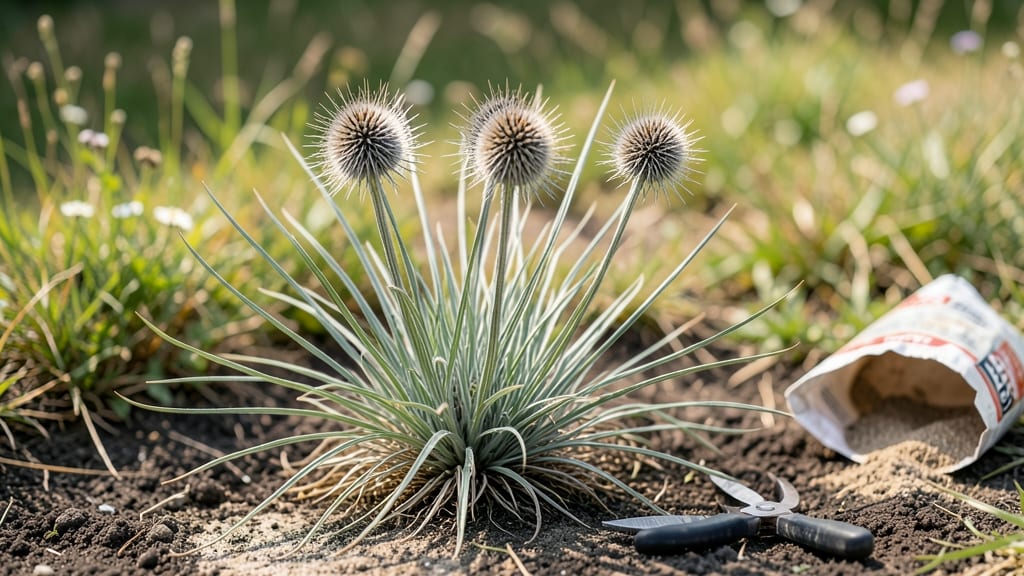
Grass burr removal feels like a losing battle until you try this one-step trick. 🌱 Those spiky invaders turn your lawn into a minefield, but I’ve perfected a method that pulls them out clean—even the stubborn, deep-rooted clumps that rakes miss.
The secret? A combination of timing, the right tool, and a little elbow grease that actually works.
Start when the soil is damp (after a light rain or morning dew) to loosen the roots without tearing grass. A stiff-bristle lawn rake or burr-specific tool lifts them easier than gloves alone—though I still recommend wearing them to avoid those pesky seed pods sticking to your skin.
For the worst clumps, a damp towel wrapped around your hand gives extra grip without damaging your lawn.
You’ll be amazed how many burrs come up in just 20 minutes of focused work, leaving your lawn soft and safe for kids and pets. The key is consistency: tackle them before they set seed, and you’ll cut regrowth by 80%.
Plus, your lawn will look like you spent hours on it—without the backache.
Pair this with regular mowing (set blades to 3 inches) and overseeding in fall to crowd out future burrs. The first year is the hardest, but after that? Your lawn stays smooth, and those spiky intruders become a distant memory. Ready to reclaim your yard?
Hidden Triggers Behind Stubborn Burrs
Grass burrs—those tenacious, spiky little invaders—don’t just appear out of nowhere. They’re the result of a mix of environmental factors, plant biology, and even human habits. Understanding why they latch onto your lawn (and your clothes!) is the first step to stopping them in their tracks.
Let’s break down the science behind these pesky plant hitchhikers.
Most grass burrs (like those from Cenchrus echinatus, or sandbur, or Xanthium strumarium, common cocklebur) are weeds with a survival superpower: seed dispersal. Their spiky, barbed structures are designed to stick to anything that brushes against them—animals, wind, or even your lawnmower wheels. Here’s how it works:
- Wind and movement: Burrs release seeds when mature, and even a light breeze can send them flying. Once they land, their barbs dig into soil or grass blades, anchoring them firmly.
- Animal (and human) hitchhiking: Birds, deer, and pets spread burrs across yards. But humans are the worst offenders—walking through infested areas or dragging tools through burr patches guarantees they’ll hitch a ride to your pristine lawn.
- Lawnmower blades as spreaders: When you mow over burrs, the machine catapults seeds up to 15 feet away. That’s why a single patch can turn into a lawn-wide nightmare in weeks.
Pro tip: 💡 If your lawn has burrs, inspect your mower deck after cutting—you might find tiny seeds stuck to the underside!
Burrs thrive in specific conditions, and if your yard matches their ideal environment, they’ll explode in numbers. Here’s what gives them the green light:
| Factor | Why It Helps Burrs | How to Counter It |
|---|---|---|
| Dry, compacted soil | Burrs love poor drainage and hard-packed dirt because their roots struggle to compete with thick grass. They germinate easily in disturbed or bare spots. | Improve soil with compost and aerate annually to discourage germination. |
| Hot, sunny climates | Many burr species (like sandbur) are heat-loving. They go dormant in cold weather but reproduce aggressively in summer. | Water deeply but less frequently to stress out burrs (they hate competition from healthy grass). |
| Late summer/early fall timing | This is peak burr season—seeds mature and drop just as grass slows down, giving them open space to take over. | Seed your lawn in spring to outcompete burrs before they sprout. |
Warning: 🌡️ If your lawn is thin or patchy, burrs will move in like renters—they don’t need much to establish themselves.
Your lawn care routine might be accidentally inviting burrs in. Here’s how everyday mistakes create the perfect burr buffet:
- Skipping overseeding: Thin grass = more bare soil = more spots for burr seeds to land and sprout. A dense lawn smothers them before they start.
- Using dull mower blades: A sharp blade cuts cleanly; a dull one tears grass, creating entry points for burr seeds to lodge in.
- Ignoring thatch buildup: A thick thatch layer traps moisture and seeds, giving burrs a cozy place to germinate. Aim for ½-inch or less of thatch.
- Over-fertilizing with weed-and-feed: Some broadleaf herbicides miss burrs entirely, leaving them to flourish while killing off beneficial grass.
Action step: ✨ Before burr season hits, audit your lawn care—are you giving burrs an unfair advantage?
Now that you know why burrs show up uninvited, the next step is how to evict them. (Spoiler: It starts with a one-step pull—stay tuned!)
Quick Fixes for Stubborn Grass Burrs
Grass burrs—those pesky, spiky invaders—can turn a lush lawn into a prickly nightmare. But don’t let them win!
Whether they’re clinging to your grass, stuck in your shoes, or tangled in your pet’s fur, here’s how to tackle them fast and effectively, plus tips to keep them from coming back.
If your lawn is already infested, act quickly before they spread. The one-step pull method works best for small patches:
- 🌱 Wait for Damp Grass
- Burrs cling tighter to dry grass. Water your lawn lightly the day before removal so the burrs loosen slightly.
- 👨🍳 Grab a Lawn Rake or Gloves
- Use a plastic or metal rake (avoid sharp tools that could damage grass roots).
- Pro Tip: Wear thick gardening gloves—burrs are sharp and can irritate skin!
- 🔪 Pull in One Smooth Motion
- Grip the burrs firmly at the base and yank upward with a quick, decisive motion.
- For stubborn clumps, twist slightly while pulling to break them free.
- ✨ Secret Move: If burrs resist, sprinkle cornmeal or diatomaceous earth around the area first—it weakens their grip!
- 🧹 Collect and Dispose
- Shake excess debris off your tools, then bag the burrs and toss them in the trash (never compost—seeds can survive!).
Burrs love hitching rides on fabric and soles. Here’s how to evict them:
| Surface | Removal Method | Prevention Tip |
|---|---|---|
| Shoes | Use a rubber scraper or duct tape to peel them off. For stuck burrs, soak shoes in vinegar or rubbing alcohol for 10 mins, then scrub. | Spray shoes with a silicone-based waterproofing spray—burrs struggle to latch on. |
| Clothing | Freeze them first (place the item in a bag in the freezer for 30 mins—burrs become brittle). Then, brush with a stiff comb or peel with fingers. | Treat clothes with a fabric softener—it coats fibers, making them less sticky. |
| Pet’s Fur | Wet a rubber glove, then rub gently over the fur to dislodge burrs. For deep tangles, trim carefully with blunt-tip scissors. | Brush pets regularly with a de-matting comb and spray fur with a detangling spray. |
Prevention is your best defense. Try these low-effort strategies:
- 💡 Mow High and Often
- Keep grass 3–4 inches tall—taller grass shades out burr seeds before they germinate.
- Mow weekly to prevent seed heads from forming.
- 🎯 Block Seed Spread
- Rake up grass clippings after mowing (burr seeds hide in them!).
- Install a border of gravel or mulch around your lawn to create a natural barrier.
- 🌱 Choose Burr-Resistant Grass
- Bermuda, Zoysia, or Fescue grasses are less prone to burr infestations than thin, weak turf.
- 🔥 Solarize Problem Areas
- For persistent burr patches, cover the area with clear plastic sheeting for 4–6 weeks in hot weather. The sun bakes the seeds to death.
If your lawn is heavily infested (think: burrs everywhere), consider:
- 🌿 Professional Lawn Treatment: A pre-emergent herbicide (like pendimethalin) can prevent new burrs from sprouting.
- 🐝 Natural Predators: Some birds and insects (like grasshoppers) eat burr seeds—encourage them with native plants!
Final Pro Tip: 🌡️ Heat is your enemy—burrs hate dry, hot conditions. If you’re dealing with a bad infestation, let the lawn go dormant in summer (reduce watering) to weaken them naturally.
Now grab your gloves and get to work—burr-free grass is just one pull away! 🚀
Frequently asked questions about grass burr removal
Why do grass burrs stick so tightly to everything?
Grass burrs have tiny, barbed hooks designed to latch onto fabric, fur, and grass blades. Their spiky structures create a "grip-and-hold" mechanism that makes them nearly impossible to shake off without the right technique. The drier the conditions, the tighter they cling—so working with damp grass or fabric makes removal much easier.
Can I use a regular garden rake for grass burr removal?
Not ideal! A stiff-bristle lawn rake or burr-specific tool works best because it lifts burrs without tearing grass roots. Regular garden rakes often bend or break the burrs, leaving fragments that can regrow. For stubborn clumps, try a damp towel wrapped around your hand to grip them better without damaging your lawn.
How often should I check for new grass burrs after removal?
Inspect your lawn weekly during peak burr season (late summer/early fall). Burrs grow quickly, so early detection is key. After removal, monitor areas where you found them first—they often return to the same spots. For heavy infestations, consider pre-emergent herbicide in spring to prevent new growth.
Are there safe ways to remove burrs from pets?
Yes! Wet a rubber glove and gently rub it over your pet's fur to loosen burrs. For deep tangles, use blunt-tip scissors to carefully trim around them. Never pull—this can hurt your pet. After removal, spray their fur with a detangling spray to prevent future burrs from sticking as easily.
Will mowing help prevent grass burrs?
Keep grass at 3–4 inches tall to shade out burr seeds before they germinate. Mow weekly to prevent seed heads from forming, and always rake up clippings (burr seeds hide in them). For extra protection, install a gravel or mulch border around your lawn to block windborne seeds.