
Lawn
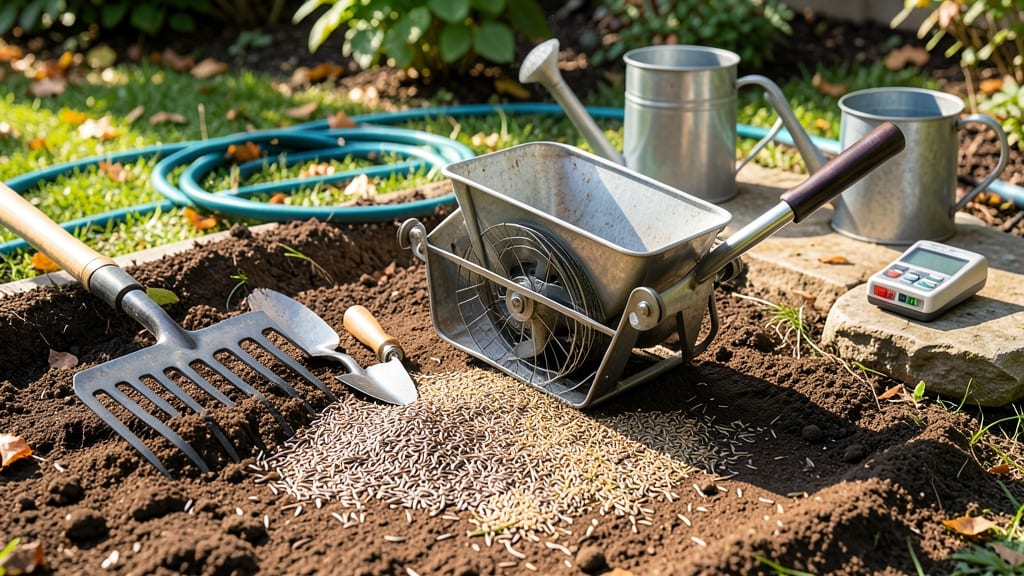
Planting lawn seed in October gives cool-season grasses the perfect head start before winter, when soil stays warm enough for roots to take hold.
If you’ve ever stared at a patchy lawn in spring and wondered where it all went wrong, you’re not alone. The secret? Fall prep is where the magic happens — but only if you time it right.
In USDA Zone 6a, October’s mild temperatures and reduced weeds mean your new 🌱 lawn grass can establish strong roots before dormancy. We’ll cover the best seeds, soil prep, and watering tricks to avoid common mistakes.
By the end, you’ll know exactly when to plant, which grasses thrive in fall, and how to keep your lawn lush through winter — no guesswork required.
Best cool-season grass seeds to plant in October
October is your golden opportunity to establish a lush, resilient lawn before winter sets in. Cool-season grasses thrive when planted in early fall, taking advantage of mild temperatures and consistent moisture to develop strong root systems before dormancy.
The key is choosing the right grass type for your climate zone and lawn traffic needs, as each variety has unique growth habits and establishment times.
For most northern and transition zones (USDA Zones 3-7), Kentucky bluegrass, tall fescue, and ryegrass are the top performers when seeded in October. These grasses not only handle cooler temperatures but also establish quickly enough to avoid winter stress.
Let's break down their strengths, ideal conditions, and how long they take to fully establish—so you can pick the perfect match for your yard.
Soil temperature is the critical factor in October planting. Aim for 60-70°F soil temps—warm enough for germination but cool enough to prevent drought stress. Most regions hit this sweet spot in early to mid-October, giving seeds 4-6 weeks of growing time before the first frost. If your area experiences early freezes, opt for fast-germinating ryegrass blends to ensure roots establish before winter.
Kentucky bluegrass is the crowd-pleaser for humid climates and yards with moderate foot traffic. Its deep root system helps it recover from drought and wear, but it requires full sun exposure (6+ hours daily) to thrive. If your lawn gets partial shade, mix it with fine fescue for better coverage. The downside? It’s slower to establish (6-8 weeks) compared to other options, so plant it by mid-October at the latest.
For drought-prone areas or low-maintenance lawns, tall fescue is my top recommendation. This grass is deep-rooted and drought-resistant, making it ideal for USDA Zones 4-8. It takes longer to establish (8-12 weeks), but once mature, it forms a dense turf that chokes out weeds naturally.
Pair it with ryegrass for faster initial coverage if you're seeding in late October.
Perennial ryegrass is the fastest germinator of the bunch, sprouting in just <
Step-by-step guide to planting lawn seed in October
October is your golden window for planting cool-season grasses like Kentucky bluegrass and tall fescue, when soil stays warm but air cools—perfect for root growth before winter. The key?
Starting 4-6 weeks before frost (typically mid-October in Zone 6a) to let seeds establish before dormancy. Skip this step, and you’ll risk weak germination or winter kill.
Before you even touch seed, test your soil pH—ideal ranges are 6.0-7.0 for most cool-season grasses. Use a home kit or send a sample to your local extension office.
If your soil is too acidic (below 6.0), add lime 2-3 weeks before planting. Compacted soil? Aerate first to give roots room to breathe.
📋 Your October Lawn Seed Planting Checklist
- 1 Clear the area: Remove debris, weeds, and old grass using a rake or dethatcher. Aim for a clean, level surface—no rocks or clumps.
- 2 Spread starter fertilizer: Use a high-phosphorus (P) blend (10-20-10) to encourage root growth. Apply with a spreader, following package rates for your lawn size.
- 3 Seed with precision: Use a broadcast spreader for even coverage. Overlap passes slightly for uniform germination. Aim for 5-8 lbs of seed per 1,000 sqft, depending on grass type.
- 4 Lightly rake and mulch: Drag a stiff-bristle rake to press seeds into soil (¼-inch deep max). Top with a thin layer of straw (not hay) to retain moisture and protect seeds from birds.
- 5 Water deeply and often: Keep soil consistently moist (not soggy) with ¼-inch of water daily for the first 2 weeks. Switch to ½-inch 2-3x weekly once sprouts appear (7-14 days).
After planting, avoid walking on new seed—compaction can smother sprouts. If birds become a problem, cover the area with chicken wire temporarily. Most cool-season grasses germinate in 7-21 days, but patience is key: don’t mow until blades reach 3-4 inches tall (usually 6-8 weeks post-planting).
Once your lawn is established (after first frost), reduce watering to 1 inch per week and apply a winterizer fertilizer in late fall to strengthen roots for spring. October’s cooler temps mean less weed competition, so your new grass will have an easier time taking hold.
Pro tip: Mark your calendar for spring aeration (April) to keep your lawn healthy long-term. With the right prep, your October-seeded lawn will outperform spring plantings by 30-50%—thanks to those early roots! 🌱