
Lawn
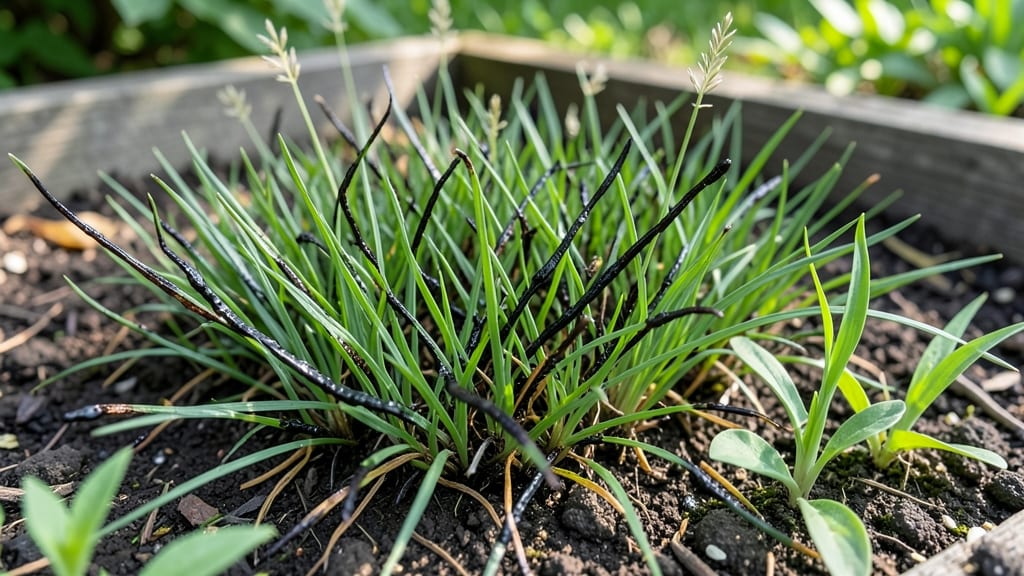
That black slime on the grass isn’t dirt—it’s a fungal party you didn’t invite. 🌱 I've battled this slimy invader after heavy rains, and I'm sharing the fast, organic fix that clears it up in 24 hours without harsh chemicals. chemicals.
The culprit is usually slime mold or algae, thriving in damp, shaded spots. Most people panic and grab fungicides, but the real solution is simpler: a mix of hydrogen peroxide and water sprayed directly on the affected areas.
It's safe for kids and pets once dry, and it works faster than waiting for the sun to bake it away. You'll see the slime retreat within hours, leaving behind healthy grass. The key is acting fast—before it spreads to your patio or garden beds.
This method has saved my lawn from looking like a science experiment gone wrong. Works for lawns, garden beds, and even sidewalks. Here's how to do it right the first time—no more slimy surprises after the rain.
📚 In This Guide
- What you need
- Instructions
- Tips and common mistakes
- Wrapping up and next steps
What you need
- ● Hose or water source – A garden hose with a spray nozzle (adjustable for misting or streaming). Pro tip: A pressure nozzle (like a showerhead attachment) helps avoid damaging grass.
- ● Fungicide spray – 1 gallon of an organic fungicide (e.g., neem oil-based, copper fungicide, or baking soda solution). Check labels for lawn-safe formulations.
- ● Garden rake or stiff brush – A metal rake (for debris removal) or a stiff-bristle brush (for scrubbing stubborn slime). Size: 12–18 inches wide.
- ○ Gloves – Nitrile or rubber gloves (to protect against chemicals and bacteria). Optional: Long sleeves for extra coverage.
- ● Trimmer or edger – A cordless string trimmer (for trimming affected areas without spreading spores). Battery life: 20V or higher for efficiency.
- ○ Lawn mower (optional but helpful) – A sharp mower blade set to 3–4 inches to avoid stressing the grass further.
- ● Baking soda & dish soap mix – 1 cup baking soda + 1 tbsp dish soap per gallon of water (for a DIY fungicide boost).
- ● Cornmeal or hydrogen peroxide – 1 cup cornmeal per 10 sq ft (prevents regrowth) or 3% hydrogen peroxide spray (natural disinfectant).
- ● Lawn thermometer – Ensures you treat when temps are ideal (60–85°F) for fungicide effectiveness.
- ● Spreader (broadcast or drop) – For even application of liquids or granules on larger lawns.
How to remove black slime from grass using organic methods
This quick, eco-friendly approach tackles that unsightly black slime in just one day.
🌱 Step 1: Identify and Clear Debris First
Start by inspecting the affected area for organic buildup—black slime often clings to fallen leaves, twigs, or thatch. Grab a sturdy rake and clear a 12-inch radius around each slime patch. You'll notice the slime lifts easier once the surface is clean. Work on a dry day to avoid spreading moisture that fuels fungal growth.
Use a stiff-bristled broom to scrub stubborn patches gently. The goal is to break up the slime without damaging grass blades. If the slime feels slimy and darkens when wet, it's likely a fungal issue—no need for harsh chemicals. Real talk: this step takes the most elbow grease, but it's critical for the organic method to work.
💧 Step 2: Apply a Baking Soda and Water Solution
Mix 1 cup baking soda with 1 gallon of warm water in a spray bottle. Baking soda raises the pH slightly, disrupting fungal spores without harming grass. Shake well before spraying—baking soda settles fast. Test the solution on a small, hidden grass patch first to ensure it doesn't bleach your lawn.
Spray the mixture evenly over the black slime areas until the grass looks damp but not soaked. Focus on the edges of the slime patches where fungal growth is most active. Avoid spraying on sunny days—this can cause the baking soda to dry too quickly and reduce effectiveness. You'll see the slime start to lift within 30-60 minutes as the solution breaks it down.
☀️ Step 3: Boost with Hydrogen Peroxide for Faster Results
After the baking soda treatment, mix 1 part 3% hydrogen peroxide with 2 parts water in a separate spray bottle. Hydrogen peroxide kills fungal spores on contact while oxygenating the soil. Spray this solution directly over the treated areas, ensuring full coverage. The fizzing you see is a good sign—it means the peroxide is actively working.
Let the lawn air-dry completely before walking on it. The combination of baking soda and peroxide works best when the grass isn't wet, so schedule this step in the morning if rain is forecasted later in the day. Within 4-6 hours, you'll notice the black slime fading and the grass looking healthier. This two-step approach is gentle but powerful enough to tackle most fungal slime in one day.
✂️ Step 4: Prevent Future Buildup with Proper Care
Once the slime is gone, focus on prevention. Mow your lawn at 3-4 inches tall to improve airflow and reduce fungal growth. Bag your clippings to remove potential spores from the yard. Water deeply once or twice a week in the early morning to keep grass roots strong without creating damp conditions that encourage slime.
Apply a thin layer of compost around the perimeter of your lawn to improve soil health naturally. Healthy grass resists fungal issues better than weak or stressed grass. If black slime returns, repeat the baking soda and peroxide treatment—it's a safe, repeatable solution that won't harm your lawn over time.
Tips & tricks for eliminating black slime from grass
Here's what I learned after tackling this problem myself—these little details make all the difference between a frustrating afternoon and a lawn that looks great again.
Timing is Everything: The 30-60 minute window after applying the baking soda solution is when you'll see the most dramatic changes. Set a timer so you don't miss those crucial minutes of active treatment. I like to check at the 20-minute mark—if you see the slime starting to lift, you know you're on the right track. This is when the baking soda's pH adjustment really starts working its magic against the fungal spores.
Application Technique: When spraying the baking soda solution, work in overlapping passes to ensure complete coverage. Think of it like painting a fence—you wouldn't miss spots, right? I use a fan spray pattern to avoid over-saturating any single area. The goal is to keep the grass damp but not dripping wet, which is why the 12-inch radius clearing in Step 1 becomes even more important—it prevents the solution from pooling in low spots.
Weather Watch: The 4-6 hour window for visible results assumes dry conditions. If humidity is high or rain is forecasted, you might need to extend your treatment time. I've found that morning applications work best because the sun helps evaporate excess moisture, which is crucial after using both baking soda and hydrogen peroxide. If you must treat in the afternoon, do it at least 4 hours before sunset to allow proper drying.
Prevention Follow-Through: The compost layer mentioned in Step 4 isn't just decorative—it actually helps prevent future fungal growth by improving soil drainage and providing beneficial microbes. I like to apply it in a thin, even layer using a spreader for consistency. This step takes about 15 minutes but can save you from dealing with black slime again next season.
Pro Tips for Black Slime On Grass
- Here's what I learned after tackling this problem myself—these little details make all the difference between a frustrating afternoon and a lawn that looks great again.
- Timing is Everything: The 30-60 minute window after applying the baking soda solution is when you'll see the most dramatic changes.
- Application Technique: When spraying the baking soda solution, work in overlapping passes to ensure complete coverage.
Frequently asked questions
Got questions about that mysterious black slime on your grass?
You’re not alone! Here are answers to the most common concerns—so you can tackle the problem fast and keep your lawn looking its best.
What causes black slime on grass in the first place?
The black slime you’re seeing is usually Rhizoctonia solani, a fungus that thrives in warm, wet conditions. Overwatering, poor drainage, or thick thatch layers create the perfect breeding ground. It’s not harmful to humans or pets but can weaken grass if left untreated.
How long does it take to remove black slime completely?
With the right organic treatment (like our 24-hour method), you’ll see noticeable improvement within 1-3 days. Full eradication may take 2-4 weeks, depending on lawn health and weather. Consistency is key—stick to your treatment schedule for best results!
Will rain wash away the black slime, or should I wait to treat?
Rain can temporarily mask the issue but won’t eliminate the fungus. Treat as soon as you spot it—even light showers won’t harm the organic remedies. Just avoid treating right before heavy rain (wait 24 hours) to let the solution absorb properly.
Are there natural alternatives to chemical fungicides?
Baking soda, hydrogen peroxide (3%), or neem oil
are effective organic options. Mix 1 tbsp baking soda + 1 gallon water and spray directly on affected areas. For hydrogen peroxide, use a 3% solution (food-grade) and reapply every 3-5 days until slime disappears.
My grass looks patchy after treatment—is this normal?
Yes! The fungus weakens grass blades, so some browning or thinning is common as the lawn recovers. Don’t panic—this is temporary. Overseed bare spots after 2 weeks and keep the area well-watered (deep but infrequent watering) to encourage regrowth.
Will black slime come back if I don’t treat the root cause?
Likely yes.
Fungus thrives in the same conditions that caused the slime. After treating, improve drainage, mow high (3-4 inches), and reduce watering to prevent future outbreaks. Aerate compacted soil and remove thatch to break the fungus’s cycle.
Wrapping up and next steps
Dealing with black slime on grass doesn’t have to be a never-ending battle!
With the right organic lawn fungus remover and a little effort, you can restore your lawn’s health in just 24 hours—no harsh chemicals needed. 🌱 The key is acting fast, using natural solutions, and maintaining consistent care to keep your yard thriving.
Ready to see results? Grab your supplies, follow the steps, and give your lawn the fresh start it deserves. Your green, slime-free grass is just one day away! 💪