
Pests
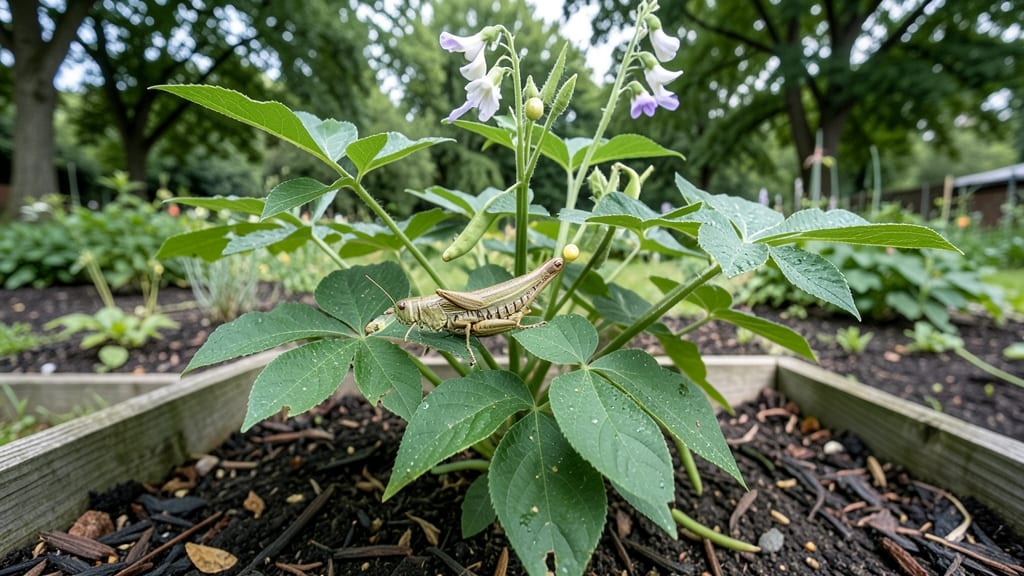
Grasshoppers aren't inherently bad—they serve vital roles in ecosystems by regulating weeds and decomposing organic matter, but their overpopulation can devastate crops and ornamental plants, particularly in agricultural and garden settings.
Grasshoppers actually help maintain ecological balance by eating weeds and returning nutrients to the soil through their waste. 🌱 However, when their numbers spike, they become a serious problem for farmers and gardeners, especially targeting high-value crops like corn, soybeans, and alfalfa.
The key lies in their population levels—moderate numbers are beneficial, while outbreaks can strip fields bare in just days. I've seen firsthand how a well-managed garden can thrive with grasshoppers present in small numbers, but their sudden appearance in swarms turns into a nightmare for homegrown vegetables.
What's interesting is how their feeding habits differ by species. Some prefer broadleaf plants while others target grasses, which explains why certain crops suffer more during infestations.
This selective feeding pattern actually creates opportunities for integrated pest management strategies that focus on habitat modification and natural predators rather than broad-spectrum chemicals.
💡 In This Article
- Grasshopper Diet: How They Affect Plants and Soil Health
- Natural and Chemical Grasshopper Control Methods for Gardens
Grasshopper diet: how they affect plants and soil health
Grasshoppers act as nature's selective pruners, primarily targeting broadleaf plants and grasses that compete with desirable vegetation. Their diet consists of 60-70% plant material, including weeds like dandelions and pigweed, which they consume at rates of 1-2% of their body weight daily.
This natural weed control reduces competition for water and nutrients in ecosystems, benefiting native plants that might otherwise struggle to establish themselves. 🌱 What's fascinating is their role in nutrient cycling—their waste contains high levels of nitrogen (up to 15% by weight), which they deposit back into the soil as they move between feeding sites.
The harm arises when grasshopper populations explode, shifting their focus from weeds to cultivated crops. Agricultural studies show that 10-12 grasshoppers per square yard can cause visible damage to corn, soybeans, and alfalfa within 2-3 weeks of an outbreak.
Their feeding patterns create a distinctive "windowpaning" effect on leaves, where the outer edges are eaten while the central veins remain intact. This selective feeding isn't just cosmetic—it weakens plants by reducing their photosynthetic capacity by 30-50% in severe cases, leading to stunted growth or complete crop failure.
Entomologists emphasize that grasshoppers maintain ecological balance through their feeding habits. For instance, species like the differential grasshopper prefer broadleaf weeds, while Mormon crickets target grasses, creating a natural checks-and-balances system. However, when environmental factors like drought or excessive irrigation create ideal conditions, grasshopper populations can grow exponentially.
The resulting damage isn't uniform—young, tender plants suffer most, as adult grasshoppers can consume up to 10 times their body weight in plant material daily during peak activity.
What most people don't realize is how grasshoppers influence soil health beyond their waste. Their feeding activities stimulate plant regrowth and encourage biodiversity by creating gaps in plant canopies that allow sunlight to reach the forest floor.
This process benefits ground cover plants and seedlings that might otherwise be shaded out. The trade-off becomes clear when considering agricultural systems: while grasshoppers contribute to soil fertility in natural ecosystems, their unchecked proliferation in farmlands can lead to economic losses exceeding $1 billion annually in the U.S. alone.
Interestingly, grasshoppers exhibit preference hierarchies in their feeding. Research from Colorado State University found that they'll consume 20% more plant material when given a choice between healthy and stressed plants, targeting those already weakened by drought or disease.
This behavior actually helps thin out vulnerable plant populations, potentially preventing larger ecological disruptions. The challenge lies in managing these populations before they reach outbreak levels, where their benefits become overshadowed by their destructive potential.
For gardeners and farmers alike, understanding these dietary patterns is crucial. The key to coexistence lies in monitoring grasshopper populations and implementing targeted control measures before they reach economic threshold levels—typically 8-10 grasshoppers per square yard in agricultural settings.
This proactive approach allows grasshoppers to maintain their ecological benefits while minimizing their impact on cultivated plants. 💫