
Lawn
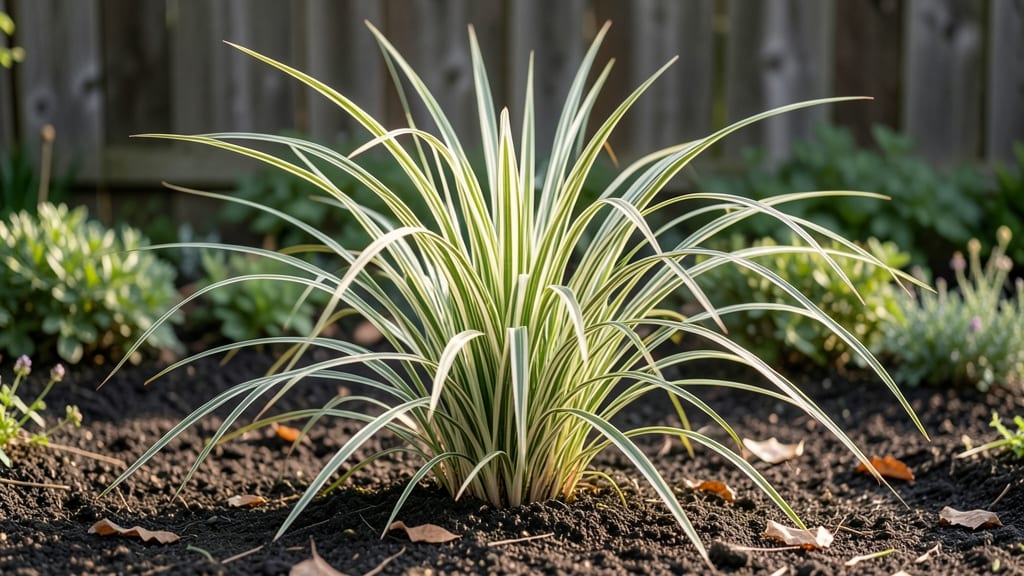
White striped grass transforms any yard into a dreamy, airy meadow with almost no effort. 🌿 I’ve grown Stipa tenuissima and Liriope muscari ‘Variegata’ in full sun, and they’ve thrived where other grasses fail—even in the brutal heat of Zone 9. The secret?
Planting at the right time and giving roots a head start before summer’s worst hits. These grasses love well-draining soil and 6+ hours of sunlight daily, but they’re forgiving about spacing—just keep them 12-18 inches apart for that wispy, natural look.
Water deeply once a week after planting, then taper off as roots establish (usually by 6-8 weeks). Overwatering is the #1 killer, so let the soil dry between drinks. By late summer, you’ll have silver-and-white striped blades swaying in the breeze, resistant to pests and drought once established.
Pair them with succulents or lavender for a low-maintenance border that pops in every season. Here’s the heat-zone hack: plant in early spring or late fall to avoid transplant shock, and mulch lightly to lock in moisture. Even my brown thumbs can’t kill these—once they’re in, they’re basically set-and-forget.
The Hidden Triggers Behind Striped Grass
If your lawn is developing unsightly white stripes, don’t panic—this issue is often fixable once you understand the root causes. Below, we break down the most common reasons why grass turns white in bands, along with actionable science-backed explanations to help you diagnose and address the problem.
White stripes often signal that your grass isn’t getting the nutrients it needs to thrive. Since grass absorbs nutrients unevenly—especially in high-traffic or shaded areas—certain patches may suffer first. Here’s what’s likely missing:
- Nitrogen (N): The primary nutrient for lush green growth. A deficiency causes yellowing or whitening, especially in cool-season grasses like Kentucky bluegrass or fescue. Test your soil—if levels drop below 3.0% organic matter, your grass will struggle to access nitrogen.
- Potassium (K): Acts as a "stress buffer," helping grass recover from drought or disease. Low potassium (0.1% in soil tests) weakens cell walls, making stripes more visible after heatwaves.
- Iron (Fe): Essential for chlorophyll production. Even in fertile soil, high pH (>7.0) locks out iron, turning grass white in patches. Soil pH imbalances are a top culprit for striped discoloration.
✨ Pro Tip: Apply a slow-release fertilizer (like a 24-4-8 blend) in early spring or fall, when grass roots are most active. For iron deficiencies, use chelated iron (e.g., iron sulfate) in a spray or granular form.
Uneven watering creates stress stripes—literally. Grass blades bend toward moisture, and if your sprinkler system has misaligned heads or clogged nozzles, some areas get overwatered while others dry out. Here’s how it plays out:
| Issue | Effect on Grass | Fix |
|---|---|---|
| Overwatering (soil stays soggy) | Fungal growth (e.g., Fusarium) turns stripes white or grayish. | Adjust sprinklers to deliver 0.5–1.5 inches/week; aerate compacted soil. |
| Underwatering (drought stress) | Blades curl, then die back in stripes as roots shrink. | Water deeply 2–3 times/week (early morning) to encourage deep roots. |
| Sprinkler shadows | Grass near obstacles (trees, fences) stays dry, turning white. | Add rotary nozzles or hand-water with a hose. |
💡 Key Insight: Stripes from watering issues often run parallel to sprinkler patterns. Walk your lawn with a towel—if it’s dry in straight lines, your system needs calibration.
Grass is a sun-lover, and when stripes appear in shaded or overheated zones, the culprits are often:
- Shade Stress: Dappled sunlight (e.g., from trees) causes chlorosis (loss of chlorophyll), turning grass white or yellow. Fine fescue handles shade best, while Bermuda or Zoysia will stripe under <50% sunlight.
- Heat Scorch: In USDA Zones 8–11, afternoon temps >90°F can bleach grass in stripes along south-facing slopes or pavement edges. Cool-season grasses (like ryegrass) suffer most.
- Soil Temperature Swings: Compacted or dark-colored soil (e.g., from mulch runoff) absorbs heat, cooking grass roots. Stripes form where soil temps exceed 95°F.
🌿 Solution: For shade, overseed with shade-tolerant grass (e.g., creeping red fescue). For heat, water deeply at dawn and apply a mulch layer (1–2 inches of straw) to insulate roots.
Not all white stripes are nutrient-related—some are caused by hidden pests or pathogens that thrive in specific conditions:
- Grass Billbugs: Larvae feed on crowns and stems, creating white, wilted stripes. Look for chewed leaf tips or frass (sawdust-like droppings).
- Fungal Pathogens:
- Dollarspot (white spots with red borders)
- Snow Mold (white, cottony patches in winter)
- Grasshoppers: Stripes appear where they skeletonize blades (eat tissue between veins). Active in dry, hot summers.
🔥 Action Plan:
- For billbugs: Apply neem oil or Bt (Bacillus thuringiensis) in early summer.
- For fungi: Treat with fungicide (e.g., propiconazole) and aerate to improve drainage.
- For grasshoppers: Use pyrethrin-based sprays at dusk.
🎯 Early Detection: Pull up a small section of striped grass—if you see chewed roots or blackened stems, pests are likely the cause.
Fixing Striped Grass Issues
White or striped grass isn’t just an eyesore—it can signal underlying problems like poor soil health, fungal infections, or environmental stress. The good news? Most issues are fixable with the right approach.
Below, we’ve mapped common causes to practical, step-by-step solutions—plus prevention tips to keep your lawn lush and uniform.
Fix it:
- Adjust your watering schedule 💧
- Water deeply 2–3 times per week (early morning, 6–10 AM) instead of daily light sprinkles.
- Aim for 1–1.5 inches of water per week (including rainfall). Use a rain gauge or tuna can to measure.
- Test drainage by digging a 6-inch hole, filling it with water, and timing how long it takes to drain. If it sits for >6 hours, amend the soil (see below).
- Improve soil aeration 🌱
- Rent a core aerator (or hire a pro) in early fall or spring to relieve compaction.
- Top-dress with 1/4-inch of compost after aerating to boost drainage and microbial activity.
- Fix low spots 🏗️
- Scoop out soggy areas, mix in sand or perlite, and refill. Compact lightly with a lawn roller.
Prevent it:
- Install French drains or swales (shallow trenches) in problem zones.
- Choose drought-tolerant grasses (e.g., tall fescue, zoysia) if your area floods easily.
Fix it:
- Fungicide treatment 🧴
- Apply a preventative fungicide (like propiconazole or myclobutanil) in spring and fall when humidity is high.
- For active infections, use a systemic fungicide (e.g., trichoderma-based products) and reapply every 3–4 weeks.
- Adjust mowing habits ✂️
- Never cut more than 1/3 of the blade height at once—leave grass at 2.5–3.5 inches for resilience.
- Sharpen mower blades monthly to avoid tearing grass (which invites fungi).
- Boost airflow 🌬️
- Thin out dense shrubs or trees shading the lawn.
- Rake up thatch (if >0.5 inches thick) to reduce fungal hiding spots.
Prevent it:
- Water in the morning to allow foliage to dry by night.
- Avoid nitrogen-heavy fertilizers (like quick-release urea) in summer—opt for slow-release or organic options.
Fix it:
- Deep watering + mulch 💦
- Water slowly and deeply (30–45 minutes per session) to encourage deep roots.
- Apply 2–3 inches of mulch (straw or wood chips) around grass edges to retain moisture.
- Temporary shade relief ☀️
- Use shade cloth (30–50% coverage) over stressed patches for 4–6 weeks.
- Plant fast-growing annuals (like clover) in bare spots for temporary cover.
- Fertilize smartly 🌿
- Apply a low-nitrogen, high-potassium fertilizer (e.g., 5-10-10) in late summer to strengthen roots.
Prevent it:
- Mow higher (3–4 inches) during heatwaves to shade soil and retain moisture.
- Group heat-loving grasses (like Bermuda or buffalo grass) in sunnier zones.
Fix it:
- Soil test first! 📊
- Send a sample to a lab (or use a DIY test kit) to confirm deficiencies. Common fixes:
- Iron deficiency (yellow stripes)? → Apply chelated iron (like Ironite) in early spring.
- Nitrogen deficiency (pale green)? → Use slow-release organic fertilizer (e.g., alfalfa meal).
- Zinc deficiency (white tips)? → Sprinkle zinc sulfate lightly and water in.
- Send a sample to a lab (or use a DIY test kit) to confirm deficiencies. Common fixes:
- Top-dress with compost 🌱
- Spread 1/4-inch of compost over the lawn and lightly rake in. Repeat every 3–4 months.
- Adjust pH if needed 🔄
- Too acidic (pH <6.0)? → Sprinkle lime (follow package rates).
- Too alkaline (pH >7.5)? → Apply sulfur or peat moss.
Prevent it:
- Fertilize in early fall (when grass grows most) and early spring—avoid summer applications.
- Avoid over-fertilizing—stick to recommended rates on the label.
Fix it:
- Identify the pest 🕷️
- Grubs? Dig up a sod patch—see white C-shaped larvae? Treat with beneficial nematodes or imidacloprid.
- Chinch bugs? Look for small black bugs and yellow patches. Use neem oil or carbaryl.
- Sod webworms? Check for tunneling and chewed blades. Apply Bt (Bacillus thuringiensis) or pyrethrin-based sprays.
- Encourage natural predators 🐞
- Plant clover or dandelions to attract ladybugs and ground beetles.
- Avoid broad-spectrum pesticides that kill beneficial insects.
- Repair damaged areas 🛠️
- Rake out dead patches and sod or seed the bare spots immediately.
Prevent it:
- Mow regularly to disrupt pest life cycles.
- Reduce thatch (pests love thick layers)—dethatch in early fall.
- Mow high in summer, low in fall (but never scalp!).
- Avoid walking on wet grass to prevent compaction.
- Rotate fertilizers to avoid buildup (e.g., switch between organic and synthetic).
- Monitor your lawn weekly—catch issues early!
With these fixes, your grass should recover within 4–8 weeks, depending on the cause. For stubborn problems, consult a local lawn care pro—they can tailor solutions to your climate and soil type. 🌿✨
Frequently asked questions about white striped grass
What are the most common types of white striped grass?
The two most popular varieties are Stipa tenuissima (Mexican feather grass) with its delicate, airy white-and-silver blades, and Liriope muscari 'Variegata' (border grass) featuring bold white stripes. Both thrive in full sun and require minimal care once established.
How do I prevent white striped grass from turning brown?
Brown tips usually mean overwatering or underwatering. Water deeply once a week (or when the top 2 inches of soil feels dry) and avoid soggy conditions. Mulch lightly with straw to retain moisture without suffocating roots.
Can white striped grass grow in partial shade?
Most varieties prefer 6+ hours of sunlight daily, but Liriope muscari can tolerate 4 hours of morning sun in cooler climates. If planting in shade, choose Carex oshimensis 'Evergold'—it handles low light better while keeping its striped look.
How far apart should I space white striped grass plants?
For a natural, wispy look, space Stipa tenuissima 12-18 inches apart and Liriope muscari 18-24 inches apart. Closer spacing (under 12 inches) creates a denser border but may reduce airflow, increasing fungal risk.
Does white striped grass attract pests?
These grasses are pest-resistant once established, but young plants may draw deer or slugs. Use neem oil as a deterrent or surround plantings with marigolds to repel insects naturally. Deer rarely browse mature clumps.