
Plants
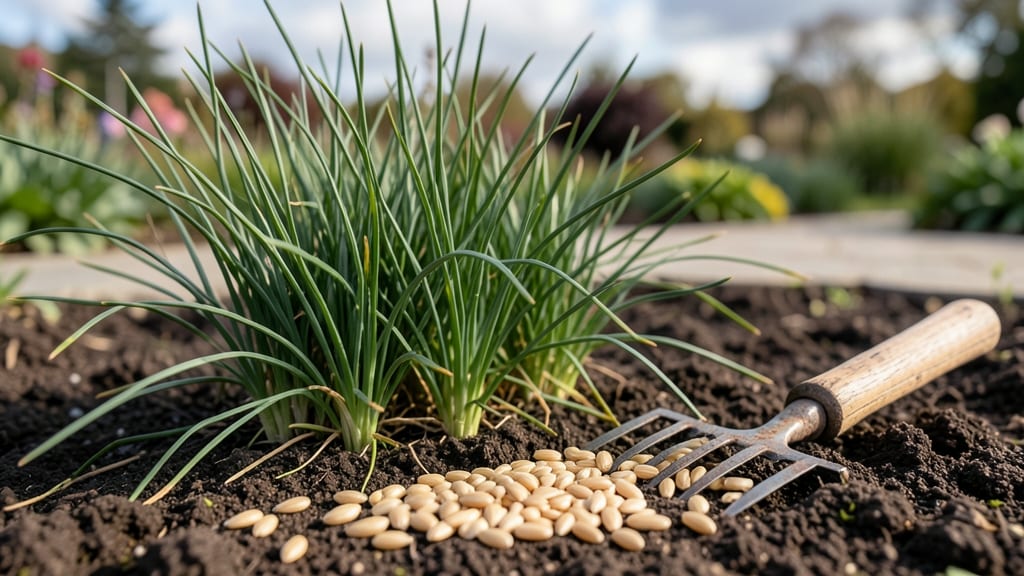
To plant grass seed in South Dakota, aim for early spring or fall when soil temperatures are ideal and frost risks are lowest 🌱—skipping summer avoids drought stress and poor germination.
Timing your grass seed planting in South Dakota can mean the difference between a lush, green lawn and a patchy, slow-growing disappointment—especially with the state’s unpredictable frost cycles and diverse hardiness zones.
Cool-season grasses like Kentucky bluegrass thrive when planted in early fall, while warm-season varieties prefer late spring. Missing these windows often leads to weak starts or wasted seed, so knowing your USDA zone (4a-5b) is key.
Below, I’ll break down the exact frost-free windows, soil prep tips, and watering schedules tailored to South Dakota’s climate—so you can plant with confidence and avoid common mistakes.
South Dakota hardiness zones & ideal grass seed planting months
South Dakota spans USDA hardiness zones 3a to 6b, meaning frost dates vary dramatically across regions. In western SD (zones 4a-5a), last frosts arrive by mid-May, while eastern SD (zones 5b-6b) sees them as early as late April.
First frosts hit western areas by early October but linger until mid-November in the east. These shifts dictate your grass seed planting window, which must align with soil temperatures and moisture levels.
For cool-season grasses like Kentucky bluegrass and tall fescue, the sweet spot is early spring (March-April) when soil warms to 50°F+ or late summer/fall (September-October), giving roots time to establish before winter. Warm-season grasses like buffalo grass prefer late spring (May-June) when soil temperatures exceed 60°F—but avoid summer planting due to drought risks.
Here’s the critical rule: Plant 4-6 weeks before your first frost in fall or 2-3 weeks after your last frost in spring. In zone 3a (Black Hills), that means late August to early September for fall seeding, while zone 6b (Southeast SD) allows planting until mid-October.
Timing this right ensures your grass germinates before cold sets in or overheats in summer.
| USDA Zone | Last Frost | First Frost | Best Planting Months | Grass Types |
|---|---|---|---|---|
| 3a (Black Hills) | Mid-May | Early October | Late Aug–Early Sept | Tall fescue, Kentucky bluegrass |
| 4a (Western SD) | Late April | Mid-September | March–April, Sept–Oct | Buffalo grass, fine fescue |
| 5a (Central SD) | Early May | Late September | April–May, Sept–Nov | Tall fescue, perennial ryegrass |
| 6b (Southeast SD) | Late April | Mid-November | March–May, Sept–Oct | Kentucky bluegrass, Bermuda grass |
In western SD (zones 4a-5a), where drought is common, prioritize fall planting—seeds germinate in cool soil, establish roots, and survive winter better than spring-planted grass. Eastern SD (zones 5b-6b) has a longer frost-free window, so you can extend fall planting into November if soil temps stay above 40°F.
However, avoid planting in July-August due to extreme heat and limited rainfall.
For cool-season grasses, aim for soil temps between 50°F–65°F—ideal for germination without stress. Use a soil thermometer to check depths of 2–4 inches.
In spring, wait until daytime temps consistently stay above 60°F to prevent frost damage to new shoots. Warm-season grasses like buffalo grass need soil temps above 60°F for 3+ consecutive days before planting.
Pro tip: Test your soil’s pH (ideal range: 6.0–7.5) before planting—South Dakota’s calcareous soils often skew alkaline. Amend with sulfur or peat moss if needed. Also, avoid freshly tilled soil; let it settle for 1–2 weeks after tilling to prevent seed dessication.
In drought-prone areas, consider hydroseeding to lock in moisture.
If you’re in zone 3a (Black Hills), focus on early September planting—this gives seeds time to germinate before early snow arrives. For zone 6b (Southeast SD), you can push planting into early
Step-by-step guide to planting grass seed in South Dakota’s climate
South Dakota’s unpredictable climate demands precise timing and preparation when planting grass seed. Cool-season grasses like Kentucky bluegrass and tall fescue thrive in the state’s USDA zones 4a-6b, but drought and temperature swings require extra care.
Follow this step-by-step guide to ensure your lawn establishes strong roots and resists South Dakota’s harsh conditions.
First, test your soil for pH (ideal range: 6.0-7.5) and amend with compost or lime if needed. South Dakota’s clay-heavy soils often need aeration to improve drainage.
Remove existing weeds or debris, then loosen the top 2-3 inches of soil with a rake or tilling machine to create a seed-friendly bed.
When to Plant Grass Seed in South Dakota
- 🌱 Early Spring (March-April): Plant 4-6 weeks after last frost (typically mid-May in most regions). Cool soil temps (50-60°F) help seeds germinate without drying out.
- 🌿 Fall (September-October): Ideal window is 6-8 weeks before first frost (usually mid-October). Cooler temps reduce weed competition and stress on new grass.
- ❄️ Avoid Summer Planting: High temps (85°F+) and drought conditions cause seeds to dry out before germination. If repairing bare spots, use hydromulch for moisture retention.
Choose drought-resistant varieties like buffalo grass or fine fescue for South Dakota’s low-rainfall zones. Spread seed evenly using a broadcast spreader at the recommended rate (usually 4-8 lbs per 1,000 sq ft).
Lightly rake the area to ensure seed-soil contact, then cover with a thin layer of straw (¼ inch) to protect seeds from wind and birds.
Watering is critical in South Dakota’s dry climate. Keep soil consistently moist (not soggy) by watering lightly 2-3 times daily for the first 2 weeks. Gradually reduce frequency to 1 inch per week once sprouts appear.
Always water in the early morning to prevent fungal diseases like brown patch, common in humid South Dakota summers.
After 3-4 weeks, when grass reaches 3-4 inches tall, mow with a sharp blade set to 3 inches. Avoid mowing during hot afternoons to reduce stress.
Apply a slow-release fertilizer (16-4-8 ratio) in early spring and fall to support root growth. South Dakota’s windy conditions may require staking young plants until established.
Monitor for pests like grubs or diseases such as dollar spot, which thrive in South Dakota’s humid summers. Use organic controls like neem oil or beneficial nematodes to protect your lawn.
With proper timing and care, your grass will establish a deep root system capable of surviving South Dakota’s extreme temperature swings.