
Lawn
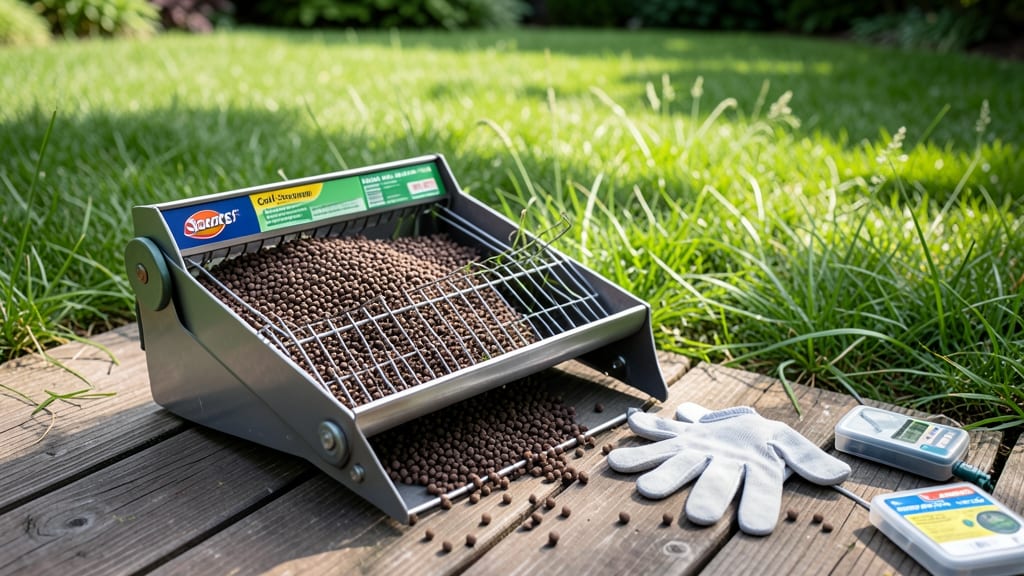
Fertilizing lawns in Indiana requires timing based on seasonal needs: pre-emergent herbicide in early spring (March–April) prevents weeds, slow-release nitrogen in late spring (May) supports growth, and fall applications (September–October) strengthen roots. Testing soil first helps tailor the fertilizer to your lawn's specific needs.
Indiana's climate—with its hot summers and cold winters—means your lawn's needs change dramatically throughout the year. 🌱 The early spring pre-emergent application targets crabgrass and other weeds before they sprout, while late spring nitrogen boosts grass growth during peak sunlight.
Fall fertilization, however, is all about preparing your lawn for winter dormancy by encouraging deeper root systems that can better handle freeze-thaw cycles.
Many homeowners overlook soil testing, but it's one of the best ways to avoid wasting money on fertilizer your lawn doesn't need. A simple DIY kit can tell you if your soil is too acidic or lacks essential nutrients like phosphorus or potassium.
For example, Indiana's clay-heavy soils often need extra lime to raise pH levels, while sandy soils may require more frequent watering to help nutrients stick around. I always recommend testing in early spring before your first application—it's a small investment that pays off big time in a healthier, greener lawn.
💡 In This Article
- Indiana’s Lawn Fertilization Timeline by Season
- Pre-Fertilization Soil Testing for Indiana Lawns
Indiana’s lawn fertilization timeline by season
Indiana’s climate—with its 40-80°F spring temperatures and 50-70°F fall ranges—creates precise windows for fertilization that align with grass growth cycles. The first critical phase is early spring (March-April), when soil temperatures reach 50-55°F.
This is when pre-emergent herbicides like prodiamine work best, forming a protective barrier 1/4-inch deep in the soil that blocks weed seeds from germinating.
The key here is timing: applying too early when soil is still cold (45°F) reduces effectiveness, while waiting until weeds have already sprouted makes the treatment useless.
Late spring (May) marks the growth phase when Kentucky bluegrass and tall fescue—Indiana’s dominant grasses—enter their most active growth period. This is when slow-release nitrogen fertilizers (like 34-0-4 blends) become essential, providing 25-30% of the year’s nitrogen needs in one application.
The 60-70°F daytime temperatures and 1-1.5 inches of rainfall per week create ideal conditions for grass to uptake nutrients efficiently.
What most people don’t realize is that nitrogen applied in summer (June-August) often gets wasted—hot, dry conditions cause grass to go dormant, and the fertilizer just burns or leaches away instead of feeding the roots.
Fall fertilization (September-October) is all about root development. As daytime temperatures drop to 65-75°F and nights cool to 50-55°F, grass shifts its energy from leaf growth to root expansion—a process called "fall hardening."
Applying a high-potassium fertilizer (5-10-15 ratio) at this stage can increase root depth by up to 25% compared to spring applications. This deeper root system helps lawns survive Indiana’s -10°F winters by accessing moisture and nutrients from deeper soil layers.
Rainfall patterns play a surprisingly large role in these timings. Indiana averages 3-4 inches of rain per month in spring and fall, which helps activate fertilizer granules and carry nutrients down to the roots.
During summer droughts (July-August), even if you fertilize, the lack of moisture means only 10-20% of the nutrients get absorbed—making summer applications a common waste of money.
The 30-day rule applies here: always fertilize at least 30 days before a predicted drought to give grass time to utilize the nutrients before going dormant.
Here’s what actually happens when you miss these windows: Skipping pre-emergent means crabgrass can take over 80% of your lawn by June, while missing fall fertilization leaves roots shallow and vulnerable to winter kill.
The science is clear—Indiana’s climate creates these distinct phases where grass metabolism changes dramatically, and fertilizing outside these windows is like trying to water a plant during a hurricane: most of it just runs off.
For homeowners in northern Indiana (like Gary or South Bend), where winters are harsher, the fall window narrows to late August-early September to avoid early frosts. In southern Indiana (like Evansville), you’ve got until mid-October before soil temperatures drop below 50°F.
The 10°F rule applies: if your lawn hasn’t had a frost within 10°F of freezing, it’s still active enough to benefit from fall fertilization.