
Lawn
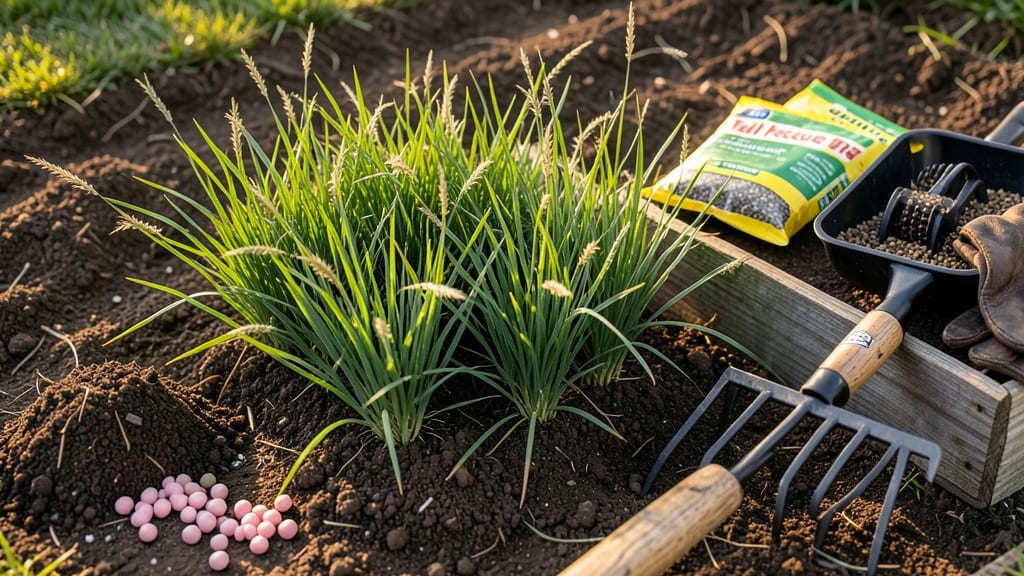
Planting a lawn in the fall gives cool-season grasses the perfect head start—soil stays warm while air cools, helping roots establish before winter dormancy. 🌱 I’ve seen firsthand how fall-planted lawns outperform spring starts, with thicker growth by next summer.
The secret lies in timing: aim for 4-6 weeks before your area’s first hard frost for ideal germination.
You’ll need basic tools—a rake, lawn roller, and spreader—and the right seed mix for your climate. Northern regions thrive with tall fescue or Kentucky bluegrass, while southern lawns often prefer Bermuda or zoysia.
Soil prep is critical: till existing sod, loosen compacted soil, and top with a thin layer of compost for nutrients.
Once planted, keep the soil consistently moist (not soggy) and mow when grass reaches 3-4 inches tall. Fall’s gentle rains do most of the watering work, but a light sprinkler in dry spells ensures even growth.
By winter, your lawn will have a strong root system ready to burst forth in spring.
This method works for new lawns, patchy areas, or overseeding existing grass. The key is patience—fall planting rewards you with a lush, low-maintenance lawn that stands up to summer heat. Ready to transform your yard? Let’s get those seeds in the ground.
📚 In This Guide
- What you need
- Instructions
- Tips and common mistakes
- Wrapping up and next steps
What you need
- ● Seed: Cool-season grass seed (e.g., Kentucky bluegrass, fescue, or ryegrass)
- ● Quantity: 4–6 lbs per 1,000 sq ft (check seed bag for exact coverage rates).
- ● Soil: Topsoil or compost (for amending poor soil)
- ● Quantity: 2–3 inches spread evenly over the area.
- ● Fertilizer: Slow-release, fall-specific lawn fertilizer (look for a high phosphorus content, like 5-10-10 or 10-20-10).
- ● Quantity: Follow package instructions (typically 1–1.5 lbs per 100 sq ft).
- ● Tools: Rake (bow or leaf rake for leveling)
- ● Garden hoe or tiller (if preparing compacted soil)
- ○ Lawn roller (optional but helpful for firming seed-to-soil contact)
- ● Broadcast spreader (for even seed distribution) or hand spreader (for smaller areas)
- ● Garden hose with sprinkler (or a lightweight misting system)
- ● Straw or peat moss (to protect seeds from birds and erosion)
- ● Lawn starter fertilizer (for faster germination)
- ● Soil test kit (to check pH and nutrient levels before planting)
- ● Knee pads or a comfortable kneeling pad (trust us, your back will thank you!)
- ● Gloves (to keep hands clean and protect from prickly plants)
Step-by-Step guide to planting a fall lawn
Fall’s mild weather and consistent rains create perfect conditions for cool-season grasses to establish strong roots.
🪴 Step 1: Prepare the Soil for Planting
Start by removing any existing vegetation, weeds, or debris from your lawn area. Use a shovel or sod cutter to dig up and remove sod if present. This ensures your new grass has a clean, weed-free foundation to grow. I like to work in small sections—about 4 feet by 4 feet—so I don’t lose track of where I’ve already prepped the soil.
Next, loosen the top 4-6 inches of soil with a garden fork or tiller. This breaks up compacted soil and helps roots penetrate easily. If your soil feels heavy or clay-like, mix in 2-3 inches of compost to improve drainage and fertility. Rake the area smooth afterward—you want a level surface for even seed distribution.
🌱 Step 2: Choose and Spread the Right Grass Seed
Select a cool-season grass seed blend suited to your climate—options like tall fescue, Kentucky bluegrass, or perennial ryegrass work best in fall. Spread the seed evenly using a broadcast spreader or by hand, working in two directions (first north to south, then east to west) to avoid missed spots. For a 100-square-foot area, use about 5-6 pounds of seed—check the seed package for exact rates.
Lightly rake the seed into the soil with a stiff-bristled rake, pressing it just enough to ensure good seed-to-soil contact. This prevents seed from washing away during watering. If you’re planting in windy conditions, consider using a straw mulch or erosion control blanket to hold seeds in place until germination.
💧 Step 3: Water Consistently for Germination
Keep the soil evenly moist for the first 2-3 weeks—this is critical for seed germination. Water lightly 2-3 times daily, enough to dampen the top ½ inch of soil without creating puddles. Overwatering can wash away seeds, while underwatering causes them to dry out. You’ll know you’re doing it right when the soil feels like a damp sponge.
Once the grass reaches about 2 inches tall, reduce watering to 1 inch per week, including rainfall. This encourages deeper root growth. Avoid walking on the new lawn until the grass is 3-4 inches tall—it’s surprisingly delicate at first.
☀️ Step 4: Maintain and Fertilize for Strong Growth
After the grass reaches 3-4 inches, apply a starter fertilizer with a 10-20-10 or 20-20-20 NPK ratio to give it a nutrient boost. Follow the package instructions for application rates—typically ½ pound per 100 square feet. This helps the grass establish a strong root system before winter.
Mow when the grass reaches 3-4 inches tall, then maintain it at 2.5-3.5 inches throughout the fall. Avoid cutting more than ⅓ of the grass height at a time, as this stresses young plants. Use a sharp mower blade to prevent tearing the grass.
⏰ Step 5: Winterize for Spring Success
As temperatures drop below 40°F at night, reduce watering to ½ inch per week unless there’s a drought. Cool-season grasses go dormant in winter but stay green, thanks to their hardiness. In late fall, apply a winterizer fertilizer (high in nitrogen) to strengthen the lawn for spring.
Remove any fallen leaves promptly—they can smother the grass and invite pests. If your area gets heavy snow, avoid shoveling directly onto the lawn; instead, pile snow nearby and let it melt gradually. By late winter, your lawn will be ready to bounce back with minimal effort in spring.
Tips & tricks for perfect fall lawn planting
Here's what nobody tells you about getting that lush fall lawn—these tricks make all the difference when the weather's just right.
Soil Prep Secret: In Step 1, don't just loosen the soil—test it first! Dig a small hole and fill it with water. If it drains in under 5 minutes, your soil drains too fast and needs more compost. If it stays wet for hours, you're dealing with clay and should add sand or gypsum. That 4-6 inch depth matters because deeper loosening means deeper roots later.
Seed Distribution Technique: When spreading those 5-6 pounds of seed in Step 2, work in a grid pattern—not just one direction. Start at one corner, spread north to south, then overlap by half when you go east to west. This ensures even coverage without missing spots. And here's a pro move: walk on a board or stepping stones to avoid compacting the soil before seeds germinate.
Watering Wisdom: Those 2-3 weeks of daily watering in Step 3 are non-negotiable, but timing matters too. Water in the early morning so the soil stays moist but evaporation happens before evening. Use a rain gauge or tuna can to measure your ½ inch of water—you'd be surprised how little that actually is. And when you see tiny grass blades at 2 inches tall, that's your cue to back off to weekly watering.
Fertilizer Timing: The ½ pound of starter fertilizer in Step 4 should go on right after your first mowing at 3-4 inches. But here's the thing: don't apply it if rain is forecast within 24 hours—the nutrients will just wash away. And if you're using a slow-release fertilizer, you might only need to apply it once instead of twice during fall.
Pro Tips for Planting A Lawn In The Fall
- Here's what nobody tells you about getting that lush fall lawn—these tricks make all the difference when the weather's just right.
- Soil Prep Secret: In Step 1, don't just loosen the soil—test it first!
- Seed Distribution Technique: When spreading those 5-6 pounds of seed in Step 2, work in a grid pattern—not just one direction.
Frequently asked questions
Got questions about planting a lawn in the fall? You’re not alone! Here are some of the most common concerns—and their answers—to help you get started with confidence.
Why is fall the best time to plant a new lawn?
Fall offers cooler temperatures, reduced competition from weeds, and ample time for grass roots to establish before winter. Cool-season grasses (like fescue and ryegrass) thrive in autumn’s mild conditions, giving you a lush, resilient lawn by spring. Pro tip: Avoid planting in late fall if frost is expected soon!
How soon after planting will I see grass grow?
You’ll typically notice sprouts in 7–21 days, depending on grass type and soil conditions. Full coverage takes 3–6 months, but consistent watering and care speed up the process. Patience pays off—think of it as nurturing a baby lawn!
What’s the best watering schedule for new fall grass?
Water lightly but frequently—about ¼ inch daily (or every other day) for the first 2 weeks. After that, taper to 1–1.5 inches per week, including rain. Avoid deep soaking, which can drown seeds. Pro tip: Water in the early morning to reduce evaporation and disease risk.
Can I plant grass seed over existing weeds or dead patches?
Yes, but prep is key! Mow existing grass short, rake out debris, and spot-treat weeds with vinegar or a natural herbicide 2–3 weeks before seeding. For dead patches, loosen soil with a rake or aerator to help seeds make contact with the earth.
What if fall weather turns cold or rainy before my grass grows?
Don’t panic! Most cool-season grasses handle light frost, but avoid planting when temps drop below 50°F (10°C). If rain delays germination, keep soil moist but not soggy. A light layer of straw mulch (¼ inch) can protect seeds from heavy rain or wind.
What’s a good alternative if I can’t plant in fall?
Spring is the second-best time for cool-season grasses, but act fast—plant before summer heat sets in (aim for early April–May). Warm-season grasses (like Bermuda or Zoysia) thrive in late spring/summer, but they’re not ideal for most northern climates.
Wrapping up and next steps
Planting a lawn in the fall is a smart move—cool-season grasses love the crisp air and mild temperatures, giving them the perfect head start before winter.
With the right prep, soil, and seed, you’ll soon enjoy a lush, vibrant lawn that stands out in your neighborhood. Don’t wait—grab your tools, follow the steps, and watch your green dream take root!
Ready to get started? Mark your calendar for the ideal planting window (usually late summer to early fall) and gather your supplies. Then, roll up your sleeves—your future lawn is waiting! 🌱