
Lawn
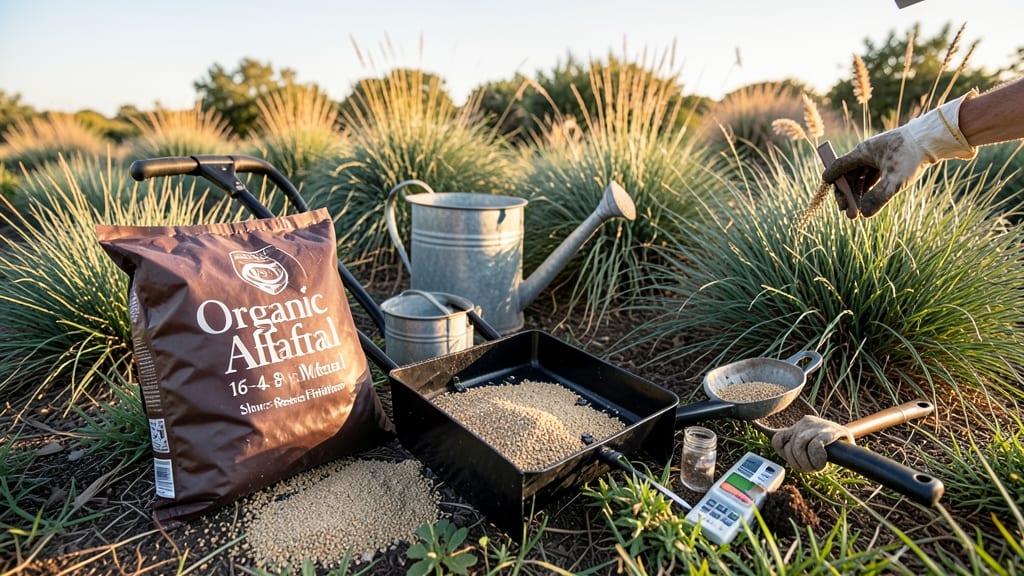
Fertilizing your Southern California lawn at the right time is the key to beating the heat and keeping it lush year-round 🌱 — and the best windows are early spring and fall, when temperatures cooperate.
Picture this: You’ve just spent the weekend mowing, only to watch your grass turn brown by July. That’s not a drought—it’s a missed fertilization window. Southern California’s microclimates (coastal vs. inland) demand precision timing to avoid burning grass in peak heat.
Inland areas like Riverside need feeding in March to prep for summer, while coastal spots like Santa Barbara can stretch fertilizing into November thanks to milder winters. The trick? Slow-release formulas that won’t wash away in sudden monsoon downpours.
Below, I’ll break down the exact months to fertilize, how to pick the right product for your grass type, and why skipping summer is a game-changer for heat tolerance. Let’s get that lawn thriving.
Best months to fertilize Southern California lawns for heat resistance
Southern California’s microclimates create unique challenges for lawn care, especially when it comes to fertilization timing. Coastal areas like Malibu or San Diego enjoy milder summers, while inland regions like Riverside or Palm Springs face extreme heat and drought.
To keep your lawn heat-resistant, fertilizing at the right time is critical. The best windows are early spring and fall, when temperatures are moderate and grass can absorb nutrients without stress.
Inland areas should prioritize fall fertilization (September-October) to strengthen roots before winter, while coastal regions can extend spring fertilization slightly later (April-May) due to cooler temperatures. Summer fertilization is a big no-no—it stresses grass and wastes nutrients.
Instead, focus on deep watering and light feeding only if you notice nutrient deficiencies during peak heat.
Here’s a quick comparison of the best fertilization windows for coastal vs. inland Southern California lawns, including key actions to take in each season:
| Month | Coastal Lawns (e.g., San Diego, Santa Barbara) | Inland Lawns (e.g., Riverside, Palm Springs) | Key Tip |
|---|---|---|---|
| March | Light feed (high nitrogen) | Light feed (slow-release) | Promote early growth before heat spikes |
| May | Second feed (balanced NPK) | Skip or minimal feed | Coastal areas can handle May feeding; inland lawns need rest |
| June-August | No fertilization | No fertilization | Grass goes dormant; fertilizing causes burn risk |
| September | Fall feed (root strengthener) | Fall feed (high potassium) | Critical for drought resistance; apply before rains |
| November | Light feed (winterizer) | Skip or minimal feed | Coastal lawns benefit; inland grass slows growth |
For coastal lawns, the spring feeding window extends slightly later (April-May) because temperatures stay cooler. This allows grass to recover from winter dormancy and establish strong roots before summer heat arrives. Use a slow-release fertilizer with a 16-4-8 NPK ratio to avoid nutrient runoff during occasional coastal rains.
Inland lawns, however, should avoid fertilizing from June through August—this is when heat shock and drought stress peak. Instead, focus on deep watering (1-1.5 inches per week) and mowing high (3-4 inches) to retain moisture.
If you must fertilize in summer, opt for a liquid iron supplement to boost chlorophyll without stressing roots.
One often-overlooked strategy is pre-monsoon fertilization in late summer (August-September) for inland areas. This timing takes advantage of the monsoon rains to flush nutrients into the soil and encourage root growth before winter. Use a low-nitrogen, high-potassium fertilizer (e.g., 0-0-30) to prioritize root development over top growth.
If you’re unsure whether your lawn needs fertilization, perform a simple soil test in late winter (February). Coastal areas with clay soil may need additional organic matter, while inland sandy soils drain too quickly and benefit from slow-release granules.
Local extension offices, like UCCE (University of California Cooperative Extension), offer free or low-cost soil testing kits tailored to your region.
Pro tip: Always fertilize in the early morning (before 10 AM) to prevent leaf burn from afternoon heat. Water lightly after application to help nutrients absorb, but avoid overwatering—Southern California’s drought restrictions make efficiency critical. A sprinkler timer set to 30 minutes post-fertilization works perfectly.
By aligning your fertilization schedule with your local microclimate, you’ll give your lawn the best chance to thrive despite Southern California’s extreme seasonal shifts. Whether you’re battling coastal fog or inland heatwaves, the right timing makes all the difference. 🌱
How to choose fertilizer for Southern California’s unique climate challenges
Southern California’s intense heat and drought conditions demand a strategic approach to fertilization. Heat-tolerant grasses like Bermuda and Buffalo grass thrive with the right NPK ratios and slow-release nutrients. Unlike cooler climates, your lawn needs less frequent, but more targeted, fertilization to avoid burning or stressing roots.
Start by testing your soil’s pH and nutrient levels. Most Southern California lawns benefit from a balanced fertilizer like 16-4-8 or 32-0-4, with higher nitrogen for leaf growth. However, slow-release formulas prevent nutrient spikes that can harm grass during peak summer months when evaporation rates soar.
Organic Fertilizers
- Improves soil over time
- Slow nutrient release reduces burn risk
- Enhances microbial activity in soil
- Slower results than synthetic
- Higher cost per application
- Requires frequent reapplication
Synthetic Fertilizers
- Fast-acting for quick green-up
- Precise nutrient control with NPK ratios
- Cost-effective for large lawns
- Risk of over-fertilization in heat
- No soil health benefits
- Environmental runoff concerns
For St. Augustine grass, which struggles in extreme heat, opt for organic options like composted manure or fish emulsion. These provide steady nutrients without overwhelming the plant. Conversely, Bermuda grass—a drought-resistant favorite—responds well to synthetic slow-release granules applied in early spring or fall.
Always apply fertilizer early in the morning to minimize leaf burn from afternoon heat. Water deeply afterward to activate nutrients and prevent runoff. Avoid fertilizing during drought alerts or when temperatures exceed 90°F, as grass roots become dormant to conserve moisture.
Consider liquid fertilizers for quick fixes, but granular slow-release is ideal for long-term health. For example, a 16-4-8 formula in March promotes spring growth, while a low-phosphorus option in September strengthens roots before winter. Always follow the label rates—Southern California’s fast-draining soils can leach nutrients quickly.
My top recommendation? A hybrid approach: Use organic fertilizers in fall for soil health, then switch to synthetic slow-release in spring for rapid greening. Pair this with proper irrigation (deep, infrequent watering) to maximize nutrient uptake and drought resilience.