
Fertilization
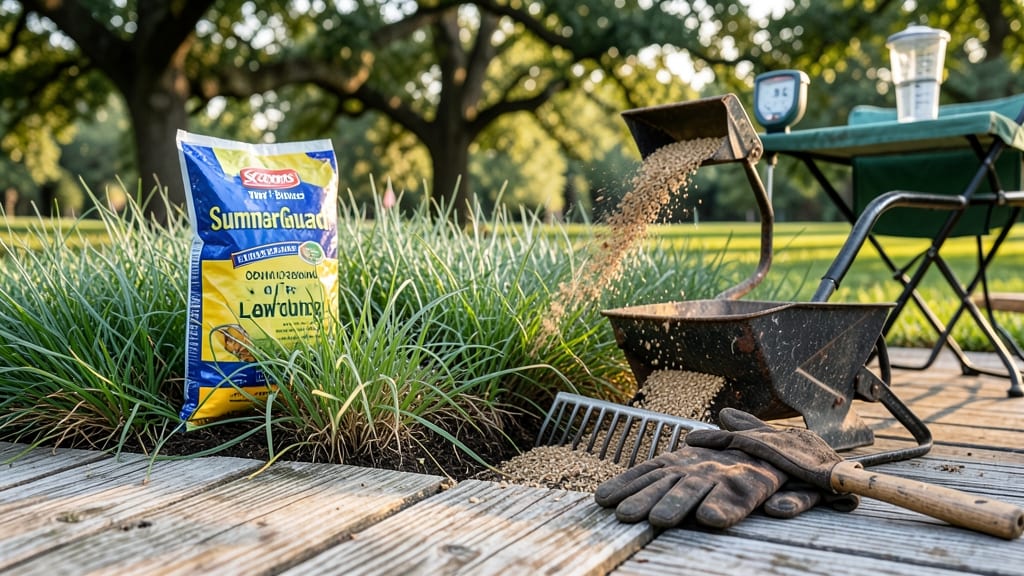
Fertilizing lawn in summer requires careful timing to avoid burning grass in the heat—early morning applications in May and September work best for nutrient absorption without stressing your 🌱.
Summer heat can turn your lawn from vibrant green to struggling brown—but timing fertilizer applications correctly keeps grass thriving even in scorching temperatures.
Most grass types go dormant when temperatures hit 85°F, making summer fertilization risky unless you use slow-release formulas designed for heat tolerance.
Below, I break down the ideal schedule for USDA Zone 6a, how to spot nutrient deficiencies, and whether organic or synthetic blends perform better in peak heat.
Best summer fertilization timeline for heat-resistant lawn growth
Summer’s scorching temperatures can stress your lawn, but strategic fertilization keeps grass lush and resilient. The key is timing—applying nutrients when grass can absorb them efficiently while avoiding heat stress or burn.
My approach focuses on monthly adjustments based on temperature and grass type, ensuring your lawn thrives without overloading it.
Most gardeners mistakenly fertilize during peak summer heat, which leads to brown patches and nutrient waste. Instead, I recommend a two-phase summer schedule: early-season feeding for recovery and late-season prep for fall.
This method aligns with your lawn’s natural growth cycles, even in USDA Zone 6a climates where heat spikes are common.
Here’s my heat-resistant fertilization timeline, designed to maximize nutrient absorption while protecting grass roots from summer stress:
| Month | Temperature Range | Fertilizer Type | NPK Ratio | Best Time to Apply | Notes |
|---|---|---|---|---|---|
| May | 60–75°F | Slow-release | 16-4-8 | Early morning | Post-winter recovery; avoid if soil is dry |
| June | 75–85°F | None | — | — | Focus on watering; skip fertilizer to prevent burn |
| July | 85–95°F | None | — | — | Highest risk of stress; prioritize shade and hydration |
| August | 80–90°F | Light organic | 10-0-10 | Late afternoon | Prep for fall; use compost tea for micronutrients |
| September | 70–80°F | Slow-release | 20-5-10 | Early morning | Root strengthening before frost; avoid late applications |
For cool-season grasses like Kentucky bluegrass or fescue, I recommend May and September as your primary fertilization windows. These months offer moderate temperatures (60–80°F) that allow grass to absorb nutrients without stress. In contrast, warm-season grasses like Bermuda or Zoysia can handle June applications if your climate stays below 85°F.
Always apply fertilizer in the early morning to prevent leaf burn from afternoon heat. Water deeply afterward to help nutrients penetrate the soil. I’ve found that slow-release formulas (like 16-4-8) reduce waste and provide steady nutrition, while organic options (like compost tea) improve soil health without overloading the lawn.
Watch for yellowing patches or thin spots—these are signs your lawn needs nutrients even in summer. However, never fertilize during drought conditions or when temperatures exceed 90°F. Instead, focus on deep watering and mowing high (3–4 inches) to shade roots and retain moisture.
Pro tip: Test your soil in early summer to check pH levels. Ideal ranges are 6.0–7.0 for most grasses. If your soil is acidic, apply lime in late summer to prepare for fall growth.
This small adjustment can make a huge difference in nutrient absorption during your next fertilization cycle.
How to choose the right summer fertilizer for heat tolerance
Summer’s scorching temperatures can stress your lawn, making nutrient absorption tricky. The wrong fertilizer can burn grass or waste resources, while the right one promotes heat-resistant growth. Your choice hinges on two key factors: release timing and nitrogen type.
Quick-release fertilizers may provide an instant boost, but they risk overloading roots in extreme heat. Slow-release options, however, deliver steady nutrients without stressing your lawn.
Organic fertilizers like composted manure or fish emulsion improve soil structure and retain moisture better than synthetic options. But synthetic fertilizers offer precise NPK ratios (nitrogen, phosphorus, potassium) tailored to summer recovery.
For example, a 16-4-8 blend supports root development without excessive top growth, which can wilt in heat. Always pair your choice with micronutrients like iron or zinc to prevent nutrient deficiencies.
Quick-Release vs. Slow-Release Fertilizers for Summer
Quick-Release
- Pros: Fast nutrient boost
- Best for: Early summer recovery
Slow-Release
- Pros: Steady nutrients, less burn risk
- Best for: Peak summer (July-August)
Organic
- Pros: Improves soil health
- Cons: Slower results
Synthetic
- Pros: Precise nutrient control
- Cons: Risk of over-fertilizing
For organic options, look for slow-release formulas like coir-based fertilizers or algae extracts. These release nutrients gradually, reducing stress on roots. Synthetic choices should prioritize low-nitrogen blends (e.g., 10-10-10) to avoid promoting lush, heat-sensitive growth.
Always check the label for micronutrients—magnesium and sulfur help grass resist heat stress. Pair your fertilizer with deep watering (1 inch per week) to help roots absorb nutrients efficiently.
Timing matters just as much as the product. Apply fertilizer in the early morning or late afternoon to avoid midday heat, which can cause fertilizer burn.
If your lawn shows signs of stress—like yellowing patches or thinning grass—switch to a low-phosphorus formula (e.g., 16-0-8) to focus on recovery. Over-fertilizing in summer can lead to fungal growth or nutrient runoff, harming local waterways.
Don’t forget to aerate your lawn before fertilizing to improve nutrient uptake. Use a core aerator to create small holes in compacted soil, allowing water and fertilizer to reach the roots. For clay-heavy soil, mix in sand or compost to enhance drainage.
This step is especially critical in USDA Zone 7b+, where summer temperatures often exceed 90°F, pushing grass to its limits.
Finally, monitor your lawn’s response after fertilizing. If you notice brown tips or wilted patches, flush the soil with water to dilute excess nutrients. For organic lawns, consider a compost tea spray to boost microbial activity and improve nutrient availability.
With the right fertilizer and timing, your lawn can stay vibrant and resilient all summer long. 🌱☀️